
Camping at Pinecrest: The Complete 2026 Guide
Everything you need for camping at Pinecrest Lake in California's Stanislaus National Forest — campground loops, reservations, the lake loop trail, and cold-night gear.
Use this guide for
Better camping decisions, faster trip planning, and clearer gear choices. Use this article as your starting point, then keep going with related camping guides and practical help articles below.
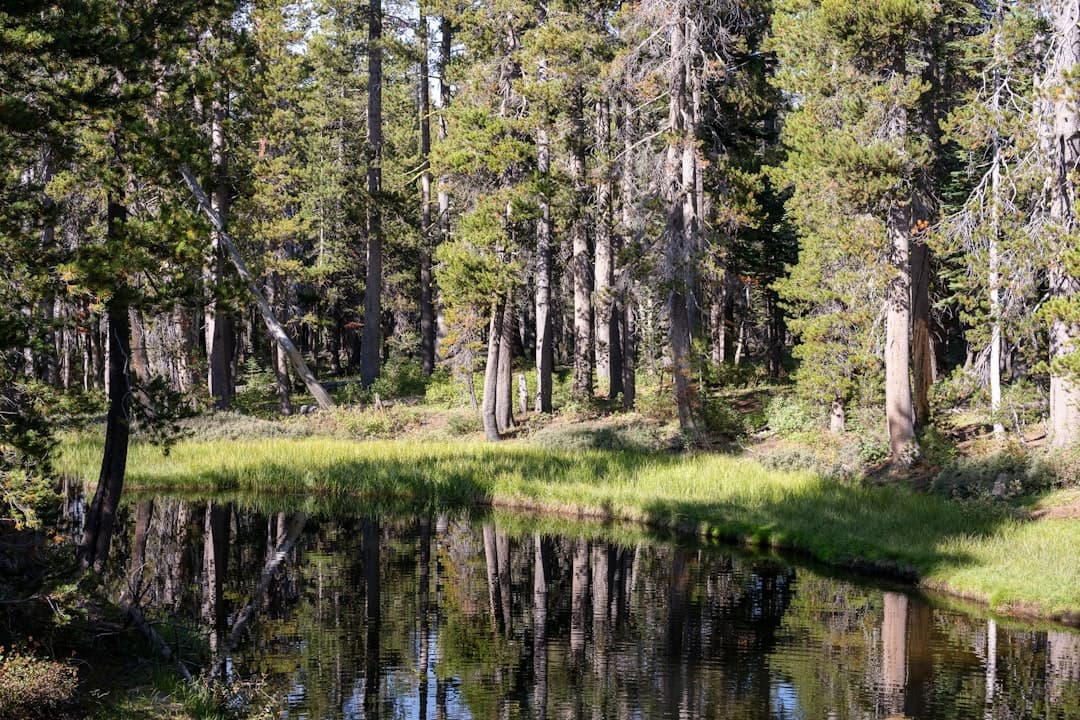
Camping at Pinecrest puts you on the shore of a granite-rimmed lake at 5,600 feet in California's Stanislaus National Forest, an hour east of Sonora on Highway 108. It's one of the most beloved Sierra Nevada lake campgrounds in the state — families rebook the same week year after year — and that popularity is the single biggest thing to plan around.
Here's what to know before you go.
The Campground
Pinecrest Campground is a large Forest Service campground sitting just above the lake's north shore, a short walk from the beach, the marina, and the small commercial strip at Pinecrest Village.
- It's big and it's social. Roughly 200 sites across several loops, set close together under ponderosa and Jeffrey pine. This is not a solitude trip — expect neighbors, kids on bikes, and noise until quiet hours.
- Sites are dirt and pine duff over decomposed granite. Mostly level, mostly shaded, with a picnic table, fire ring, and a metal food-storage locker.
- No hookups. There are vault and flush toilets, drinking water spigots, and a dump station. Bring what you need to be self-sufficient for power.
- There are overflow options. If Pinecrest is full, check Meadowview Campground just up the road and Pioneer Trail Group Camp before giving up on the area.
Most sites are walkable to the lake, but almost none of them have a lake view. The water is a two-minute stroll, not a window.

Reservations and When to Go
This is the part people get wrong.
- Book through Recreation.gov, and book early. Summer weekends at Pinecrest are among the fastest-filling reservations in the Stanislaus. Sites are released on a rolling window months in advance and vanish in minutes for July and August.
- The season is short. The campground typically runs from late spring through early fall, gated by snowmelt at the front end and by weather at the back end. Dates shift year to year — confirm current opening and closing dates with the Summit Ranger District before you plan.
- Midweek is a different park entirely. A Tuesday in late June feels nothing like a Saturday in July, and September is the sleeper pick: warm water, thin crowds, and the best light of the year on the granite.
Check current fire restrictions the week of your trip. Sierra campfire and stove rules change with conditions, and a season that starts permissive can go to a full ban by August.
The Lake
Pinecrest Lake is a reservoir, but it swims and fishes like an alpine lake.
- The swim beach is the main event. Sandy and gently sloped, with roped swim areas — the reason most families come. The water is snowmelt-fed and genuinely cold into early summer.
- Boating is deliberately quiet. A strict speed limit and no water skiing keep it calm for paddling and sailing. The marina rents boats, kayaks, and paddleboards.
- Fishing is trout-focused. Rainbows are stocked through the season, with browns in the mix. Shoreline fishing works well; a California license is required.
- Water levels drop through the season. As the reservoir draws down in late summer the beach widens and the shoreline changes shape — the lake in September simply looks different than it does in June.
Hiking from Camp
- The Pinecrest Lake National Recreation Trail loops roughly four miles around the entire lake — the classic walk here, mostly easy, with a rockier stretch along the south shore. Doable with kids who have some miles in them.
- Cleo's Bath is the popular add-on: a series of granite pools and slabs reached by continuing past the east end of the lake. It is steeper, rougher, and slower than the mileage suggests, and the granite is slick where water runs over it. Give it a full half day and real shoes.
- The Emigrant and Carson-Iceberg Wilderness boundaries sit a short drive up Highway 108 for bigger days.
What to Actually Prepare For
Elevation is the theme. Everything below follows from being at 5,600 feet in the Sierra.
- Nights get cold, even in July. Daytime highs in the 80s routinely drop into the 40s after dark. Summer-weight bags are the most common mistake made here.
- Bear lockers are mandatory, not optional. Black bears work this campground. All food, coolers, trash, and anything scented goes in the metal locker overnight and whenever you leave camp — never in your tent, never in your car.
- The sun is stronger than it feels. Thin air, reflective granite, and lake glare add up fast. Sunscreen, a hat, and midday shade.
- Afternoon thunderstorms build over the Sierra crest in mid and late summer. Pitch with the rainfly on and stakes in, every time. Mosquitoes peak right after snowmelt, then taper off.
- Cell service is limited. Download maps and your reservation confirmation before you leave the highway.
What to Do Nearby
- Pinecrest Village has a general store, food, and the Pinecrest Lake Resort right at the lake — genuinely handy for forgotten supplies.
- Dodge Ridge is minutes away — a ski area in winter, a quiet base area to poke around in summer.
- Sonora Pass (Highway 108) climbs east over 9,600 feet for one of the most dramatic drives in the range, seasonally open once the snow clears.
- Columbia State Historic Park and downtown Sonora are the Gold Country rest-day options, under an hour west.
Recommended Gear for Pinecrest Camping
Cold nights, hard ground, and bear country define the kit here.
- Coleman Sundome Camping Tent — a quick, weatherproof pitch matters when Sierra thunderheads build in the afternoon. Our how to set up a tent walkthrough covers guying it out properly, and the camping tent guide has more options.
- Teton Celsius Sleeping Bag — this is the piece people under-buy for Pinecrest. At 5,600 feet, a 20°F bag turns a miserable 42°F night into a comfortable one. See our sleeping bag guide and how to stay warm camping.
- ALPS Mountaineering Flexcore Self-Inflating Air Pad — insulation from the cold, compacted granite ground does as much for warmth as the bag does. More picks in our sleeping pad guide.
Round the kit out with our car camping checklist and the full camping gear checklist. For more California trips, see Lake Hemet, Cachuma Lake, Pismo Beach, Big Sur, and Yosemite — Yosemite's north entrance is a reasonable drive from here. Camping with the family? Start with family-friendly campgrounds and camping with kids.