
Best Camping Tent in 2026: Top Picks for Every Camper
Find the best camping tent for your needs. We compare dome tents, cabin tents, and backpacking shelters to help you choose the right one.
Use this guide for
Better camping decisions, faster trip planning, and clearer gear choices. Use this article as your starting point, then keep going with related camping guides and practical help articles below.
Picking the best camping tent can make or break a trip. The right shelter keeps you dry through a midnight storm, packs small enough to haul to the trailhead, and sets up before the sun goes down. Whether you're a weekend car camper or a backcountry veteran, this guide breaks down exactly what to look for — and which tents are worth your money in 2026.
What to Look for in a Camping Tent
Capacity
Tent capacity ratings are optimistic. A "3-person" tent comfortably sleeps two adults with gear. When in doubt, size up — you'll thank yourself after a long day on the trail.
- Solo and duo trips: 2-person tents offer the best weight-to-space ratio
- Groups and families: 4–6 person tents give you room to actually sit up and organize gear
- Car camping: cabin-style tents with near-vertical walls maximize livable space
Seasonality
Most camping tents fall into one of three categories:
- 3-season (spring, summer, fall): mesh panels for airflow, rainfly for downpours — the standard choice for most campers
- 4-season/mountaineering: heavy-duty poles and solid fabric panels to handle snow load and high winds
- Extended-season: a middle ground with better wind resistance than a standard 3-season
For most people, a 3-season tent is the right call.

Setup Time
A tent that takes 30 minutes to pitch after a long day is a tent you'll resent. Look for:
- Freestanding designs: stand on their own without stakes — faster to pitch and easier to move
- Color-coded poles: clips, not sleeves, dramatically cut setup time
- Single-person setup: always test whether one person can manage it solo
Weather Protection
Rain is the enemy. Check for:
- Waterproof rating: 1,500mm hydrostatic head or higher is the minimum; 2,000mm+ is better
- Full-coverage rainfly: should reach close to the ground on all sides
- Sealed seams: factory-taped seams prevent leaks at stitching points
- Vestibule: covered gear storage outside the sleeping area keeps mud and wet gear out
Top Camping Tent Pick: Coleman Sundome
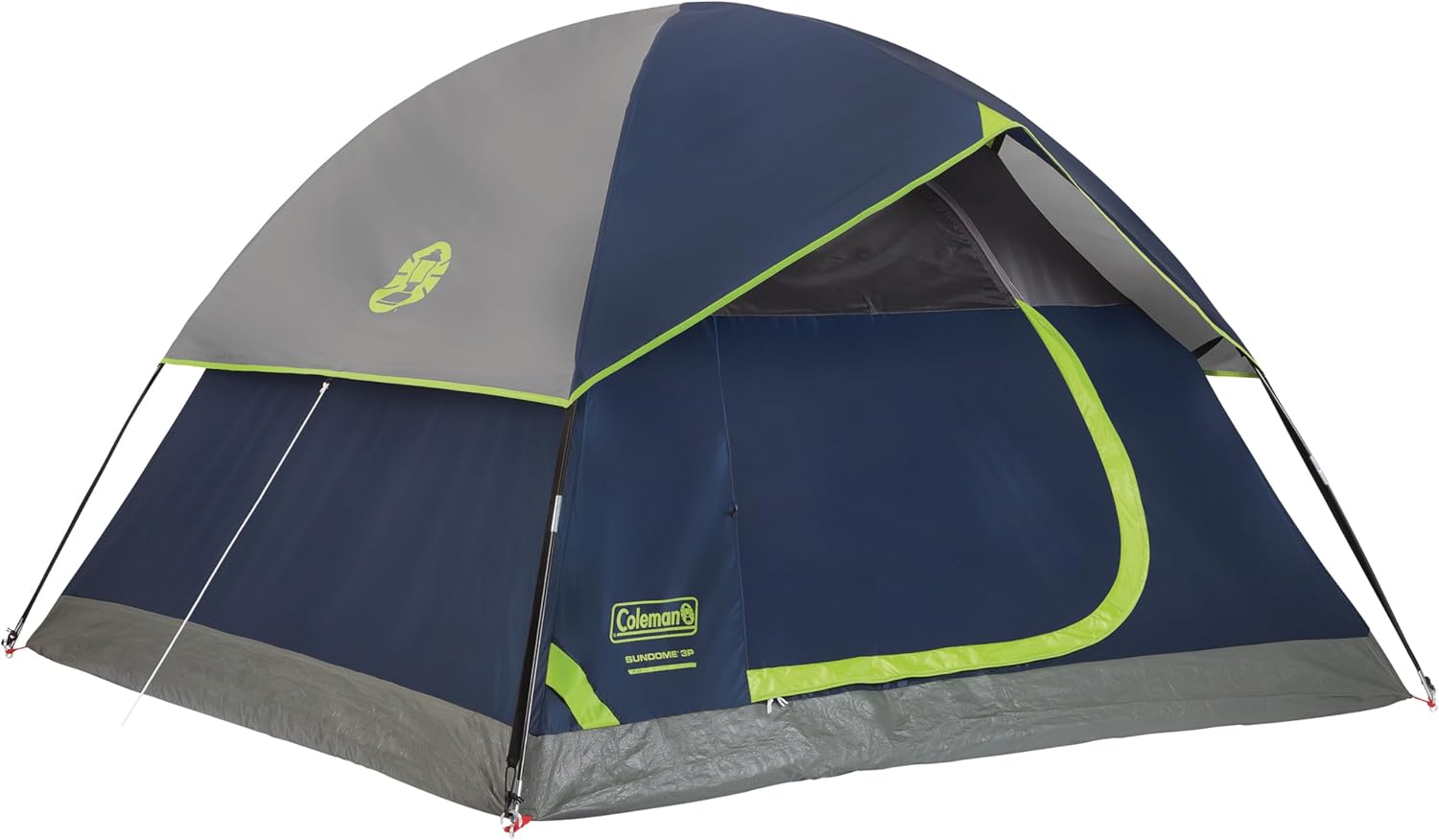
The Coleman Sundome has been a bestseller for good reason. It sets up in about 10 minutes, handles rain with a full rainfly and welded floors, and comes in sizes from 2 to 6 persons. The E-port opening makes it easy to run an extension cord into camp, and the two-door, two-window design keeps airflow moving on warm nights.
- Available in 2, 3, 4, and 6-person configurations
- Weatherproof 1,000mm rainfly with full coverage
- Freestanding dome design — no stakes required to stand
- Strong enough for spring and summer rain; not designed for winter conditions
Don't Forget What Goes Inside
A great tent is only part of the sleep system. Two accessories that work directly with your tent:
Sleeping Pad
A sleeping pad does two jobs: cushions you from the ground and insulates you from cold soil. Ground temperature drops fast at night — even in summer — and a sleeping bag alone won't compensate.
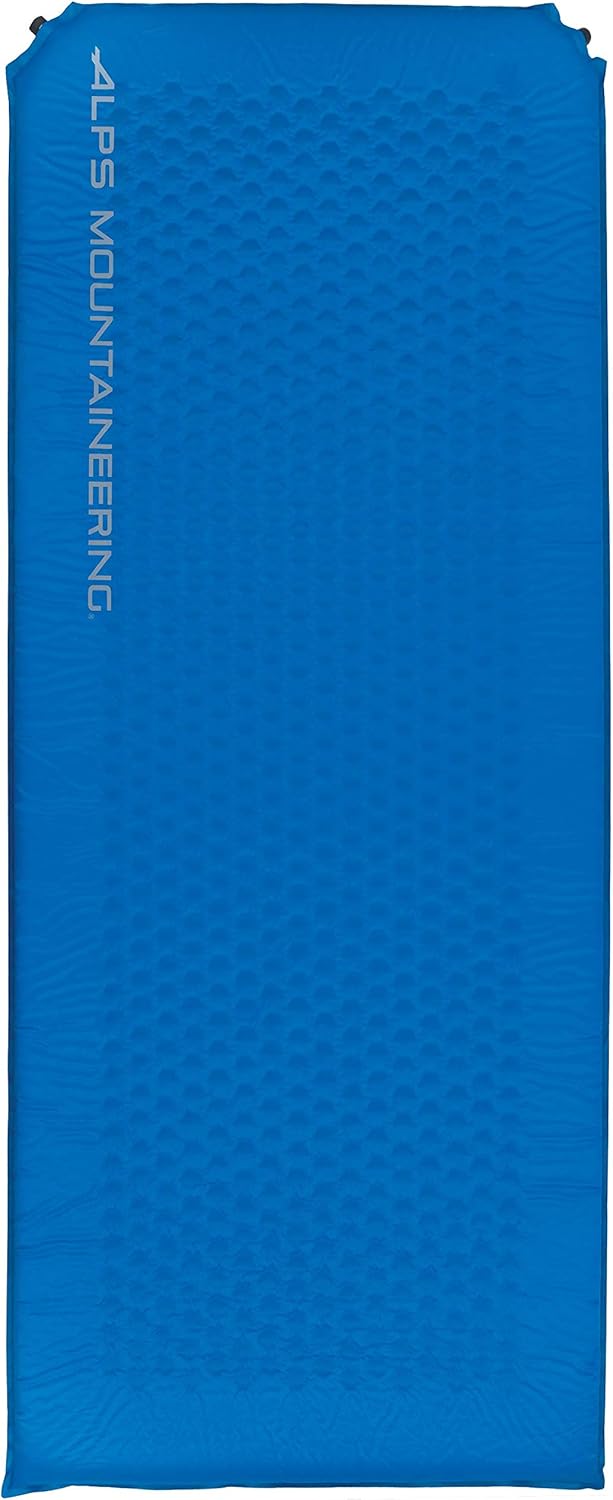
The ALPS Mountaineering Flexcore Self-Inflating Air Pad self-inflates in minutes and provides solid R-value insulation. It packs down small enough for car camping and light enough for base camps.
Sleeping Bag
Match your bag's temperature rating to the coldest night you expect — and then go one rating lower. A bag rated to 25°F works fine on a 40°F night; a bag rated to 45°F doesn't.
The Teton Celsius Sleeping Bag covers a range of ratings (0°F, 20°F, 25°F) at a price that won't gut your gear budget. It comes with a travel sack and fits both adults and kids.
Tent Setup Tips
Even the best camping tent fails if it's pitched wrong. A few habits that help:
- Clear the ground first: remove rocks, roots, and sticks before laying out the footprint
- Orient the door away from the wind: reduces noise and heat loss overnight
- Guy out the rainfly: even if it's clear, tensioning the fly prevents condensation drip
- Use a footprint or ground cloth: extends tent floor life and adds a layer of moisture protection
Final Verdict
For most campers, the Coleman Sundome is the best camping tent to start with — it's well-priced, genuinely weather-resistant, and sets up fast enough that you'll actually enjoy arrival day. Pair it with an insulating sleeping pad and a temperature-rated bag and you'll sleep well regardless of what the forecast throws at you.
Camping with a crew? See our guide to the best family tents for cabin and dome picks sized for groups.