
Backpacking in Utah - National Parks, Trails & Tips
Guide to backpacking in Utah. Best trails in Zion, Arches, Canyonlands, and other parks. Permits, seasons, and planning tips.
Use this guide for
Better camping decisions, faster trip planning, and clearer gear choices. Use this article as your starting point, then keep going with related camping guides and practical help articles below.
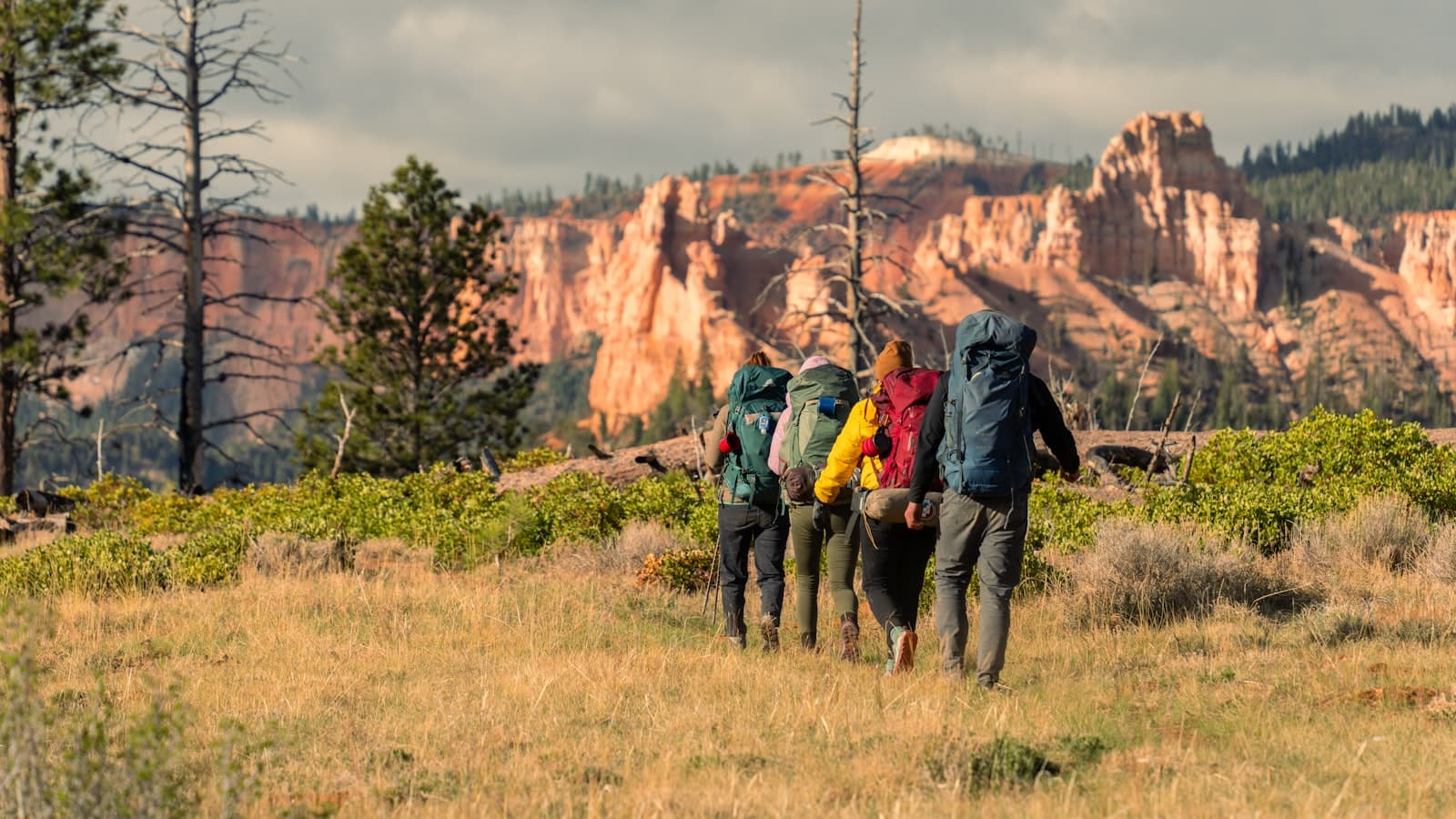
Backpacking in Utah means red rock canyons, high alpine meadows, and some of the most dramatic landscapes in the U.S. From Zion and Arches to the Uintas and desert slot canyons, Utah offers world-class backpacking for all skill levels.
Zion National Park
West Rim Trail
Multi-day traverse from Lava Point to the Grotto. Stunning views of Zion Canyon. Permits required for overnight stays; apply early.
The Narrows (Bottom-Up)
Day hike or overnight. Walk (and wade) through the Virgin River in a slot canyon. Water levels and weather matter—check conditions.
Permits – Required for overnight trips. Obtain through the Zion wilderness permit system.
Arches National Park
Limited overnight backpacking. Designated zones in the backcountry. Minimal water; carry all you need. Spring and fall are best; summers are extremely hot.
Canyonlands National Park
Needles District
Colorful rock formations, arches, and remote campsites. Several multi-day loop options. Permits required.
Maze District
Remote and challenging. For experienced backpackers. 4x4 or long approach often required. Self-reliance essential.
Island in the Sky
Shorter backpacking options with dramatic overlooks. Fewer trails but incredible views.
Capitol Reef National Park
Less crowded than Zion and Arches. Backcountry zones for overnight trips. Water is scarce; plan accordingly.
High Uintas Wilderness
Alpine lakes, meadows, and peaks. Cooler temperatures; some snow into summer. Popular for multi-day loops. Different vibe from southern Utah's desert.
Backpacking Utah: Practical Tips
Seasons
- Spring (Apr–May) – Wildflowers, mild temps. Some snow at higher elevations.
- Summer (Jun–Aug) – Very hot in desert parks. Stick to early morning and evening. Uintas are cooler.
- Fall (Sep–Oct) – Ideal. Cooler temps, fewer crowds.
- Winter – Desert is possible with cold-weather gear. Uintas require snow travel skills.
Permits
Most Utah national park backpacking requires advance permits. Apply months ahead for popular trails (e.g., Zion, Canyonlands).
Water
Desert backpacking means limited water. Plan routes around springs or carry multiple days of water, and treat everything you collect — our guide to the best backpacking water filters compares squeeze, gravity, and pump systems for the trail.
Gear
- Lightweight shelter for desert (often no trees for hammocks).
- Sun protection: hat, sunglasses, sunscreen, long sleeves.
- Best lightweight backpacking sleeping bag for variable temps.
- How to pack a backpacking pack for long water carries.
Leave No Trace
Utah's fragile desert and alpine ecosystems need protection. Pack out all waste, stay on trail, respect wildlife, and follow fire regulations.
Backpacking in Utah rewards preparation. Get permits early, carry enough water, and match your route to your experience level. The scenery is worth it.