
How to Stay Warm Camping: Tips & Gear Guide for 2026
Learn how to stay warm camping at night with proven layering tips, sleeping bag selection, and essential gear picks for cold-weather campouts.
Use this guide for
Better camping decisions, faster trip planning, and clearer gear choices. Use this article as your starting point, then keep going with related camping guides and practical help articles below.
Nothing ruins a camping trip faster than lying awake at 2 a.m., shivering in your sleeping bag wondering why you didn't pack warmer. Knowing how to stay warm camping is a skill — one that blends the right gear with simple techniques that make a real difference when temperatures drop.
This guide covers everything from layering strategies and sleeping system choices to campsite setup tricks that keep you comfortable no matter the season.
Why You Get Cold at Night (And How to Fight It)

Body heat drops when you're stationary and not eating. At night, your metabolism slows and your core temperature naturally dips. Three factors determine how warm you stay:
- Insulation — how well your sleeping bag and pad trap heat
- Moisture — sweat or condensation will steal body heat fast
- Wind and ground contact — both drain heat far quicker than still, dry air
Address all three and you'll sleep warmer without spending a fortune on gear.
Layer Up Before You Get In Your Bag
A common mistake is jumping into a cold sleeping bag in damp clothes and expecting to warm up quickly. Instead:
- Change into dry base layers before bed — even if your daytime clothes feel fine, they hold moisture
- Wear a thin wool or fleece hat — you lose a significant amount of heat through your head
- Add dry socks — cold feet are one of the fastest ways to feel miserable
- Do light exercise — ten jumping jacks before getting in your bag will raise your core temp
The bag doesn't generate heat — it traps yours. You have to bring warmth with you.
Choose the Right Sleeping Bag Temperature Rating
Sleeping bags are rated to a temperature limit, but the standard (EN/ISO) ratings reflect survival temperatures, not comfort. A good rule of thumb: choose a bag rated 10–15°F colder than the lowest temperature you expect.
For three-season camping, a 20°F bag covers most situations. For shoulder-season or high-elevation trips, a 0°F rating gives you a meaningful safety margin.
The Teton Celsius Sleeping Bag is available in 25°F, 20°F, and 0°F ratings and is a standout option for campers who want reliable warmth without the premium price tag. It includes a travel sack for compact packing and works well for both adults and kids.
Insulate Yourself From the Ground
Most campers focus on their sleeping bag and forget that cold ground is one of the biggest warmth thieves. The R-value of your sleeping pad is just as important as your bag rating — especially when camping on snow, dirt, or rock.
A sleeping pad with an R-value of 2 to 3 handles most three-season conditions. For winter camping, aim for R-4 or higher.
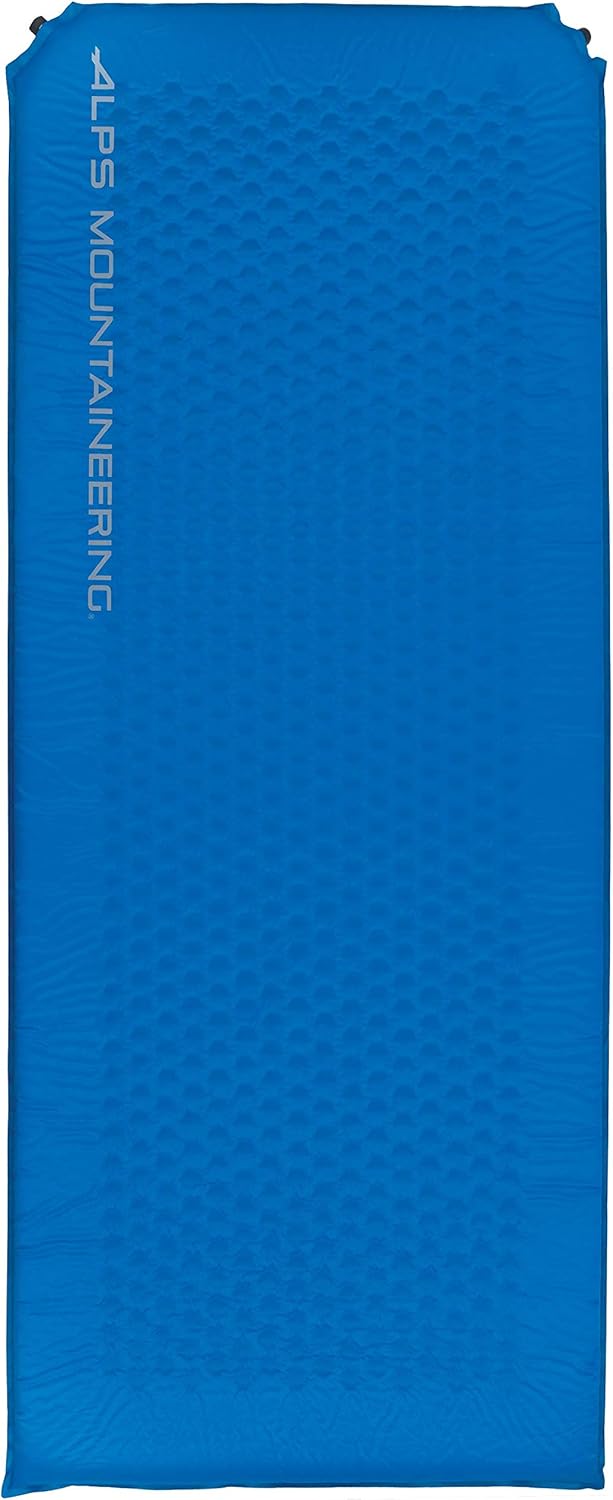
The ALPS Mountaineering Flexcore Self-Inflating Air Pad combines foam insulation with air inflation, giving you good R-value coverage in a compact package. The self-inflating design means less lung effort at the end of a long day on the trail.
Set Up Your Tent for Maximum Warmth
Your tent placement matters as much as your gear. A few tips:
- Avoid valley floors and open meadows — cold air sinks and pools in low spots
- Position the tent door away from prevailing wind — this reduces heat loss when you open and close the door
- Use a footprint or tarp under your tent — adds an extra barrier against ground cold
- Let the tent breathe — counterintuitively, closing every vent causes condensation, which makes your bag wet and colder
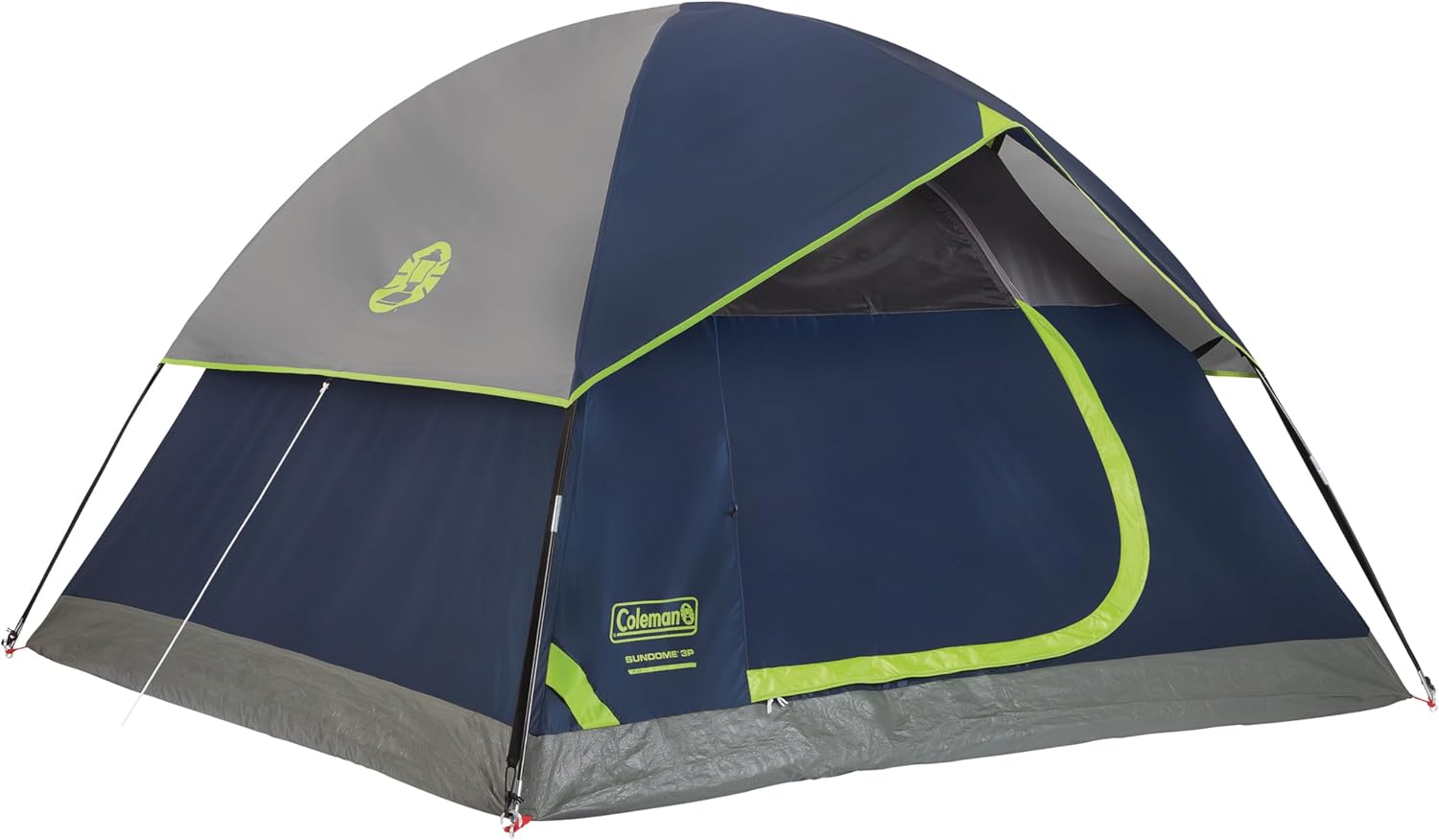
A well-ventilated, well-positioned tent does much of the work for you. The Coleman Sundome Camping Tent comes with a full rainfly that provides excellent wind protection and weatherproofing, and its snug interior holds body heat better than oversized family tents.
Eat and Hydrate Before Sleep
Your body burns calories to generate heat. A small snack before bed — something with fat and protein like nuts, cheese, or peanut butter — gives your metabolism fuel to work with overnight. Staying hydrated also matters: dehydration reduces your body's ability to regulate temperature.
A warm drink like tea or cocoa before sleep is more than just comforting — it raises your core temperature right before you need it most.
What to Do If You're Still Cold
If you wake up cold mid-night:
- Add a layer inside the bag — even a down jacket laid over your torso helps
- Put a water bottle filled with hot water at your feet — the fastest way to warm up your bag
- Eat something — even a few crackers will kick your metabolism back on
- Tighten the hood — most heat escapes through an open mummy hood
Recommended Gear for Staying Warm Camping
| Gear | Why It Matters |
|---|---|
| Rated sleeping bag | Core warmth — choose 10–15°F below expected low |
| Insulated sleeping pad | Blocks ground cold, often overlooked |
| Moisture-wicking base layers | Keeps sweat off your skin |
| Wool or fleece hat | Prevents heat loss through your head |
| Tent with full rainfly | Wind and condensation protection |
Staying warm camping is about stacking small advantages: dry clothes, the right bag, a well-insulated pad, and a smart campsite. Get those basics right and cold nights become a non-issue.