
Dispersed Camping: How to Find Free Sites on BLM and National Forest Land
What dispersed camping is, where it's legal on BLM and national forest land, how to find dispersed camping near you, the rules to follow and the gear to bring.
Use this guide for
Better camping decisions, faster trip planning, and clearer gear choices. Use this article as your starting point, then keep going with related camping guides and practical help articles below.
Dispersed camping is camping on public land outside a developed campground: no numbered sites, no reservations, no fees and usually no neighbors. It's legal across most national forests and Bureau of Land Management (BLM) land, which adds up to hundreds of millions of acres. This guide explains what dispersed camping is, where to find it, the rules that keep it open and the gear that makes a no-facilities night comfortable.
What Is Dispersed Camping?
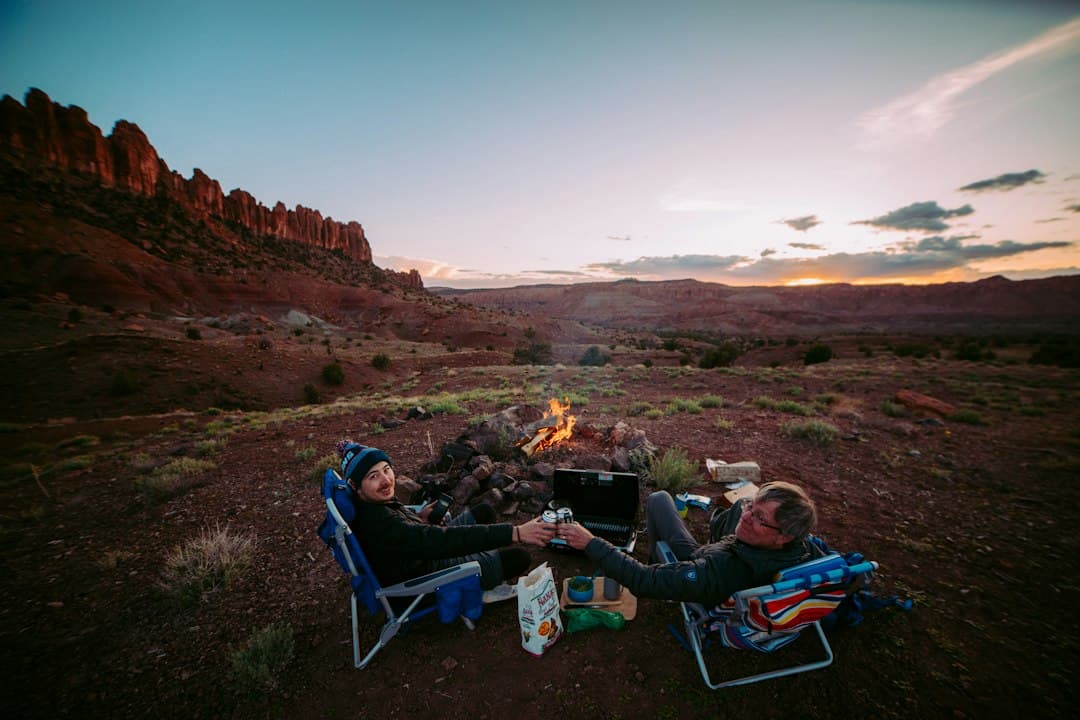
Dispersed camping means pitching a tent or parking a vehicle anywhere camping isn't prohibited on public land, instead of in a designated campground. You'll find no toilets, no potable water, no trash cans and no picnic tables. Sometimes there's a rock fire ring left by earlier campers. In exchange you get space, quiet and a site that costs nothing.
It's the backbone of free camping in the U.S. If you want the bigger picture, including overnight parking and other no-cost options, start there.
Dispersed vs. Primitive, Cowboy and Boondocking
These terms overlap, and people use them loosely:

- Dispersed camping. This is a land-management term for camping outside developed sites on national forest or BLM land.
- Primitive camping. This means any camping with few or no amenities. A primitive campground may have marked sites and a vault toilet but no water or hookups, and it sometimes charges a small fee. All dispersed camping is primitive, but not all primitive camping is dispersed.
- Cowboy camping. This means sleeping under the open sky with no tent, just a pad and a bag on a ground sheet. It works best in dry, bug-free desert, and dispersed sites in the Southwest are ideal for it.
- Boondocking. RV and van campers use this word for camping without hookups. It's usually dispersed, but it can also mean a night in a parking lot.
Where Dispersed Camping Is Allowed
National Forests
Most of the 154 national forests allow dispersed camping unless an area is posted closed. Developed recreation areas, trailheads and some heavily used corridors are often off-limits. The forest's free Motor Vehicle Use Map (MVUM) shows which roads you can drive and where camping is allowed along them, often within a set distance of the road.
BLM Camping
BLM camping is where dispersed camping really shines in the West. The BLM manages roughly 245 million acres, mostly in Utah, Nevada, Arizona, New Mexico, Wyoming, Oregon, Idaho and California. Dispersed camping on BLM land is generally allowed anywhere that isn't signed otherwise. Some popular areas, such as Alabama Hills in California and parts of Moab, now require you to camp in designated spots or carry a waste bag. Check the field office page before you go.
Where It's Usually Not Allowed
You generally can't disperse camp in national parks (use the campgrounds or get a backcountry permit), in state parks, or on private or tribal land without permission. Some wilderness study areas and special management areas also have their own rules.
How to Find Dispersed Camping Near Me
Searching "dispersed camping near me" mostly turns up forum threads. Here's a better workflow:
- Pick the land. Open a public-lands map layer and find the nearest national forest or BLM parcel. Many metro areas have one within two hours.
- Download the MVUM for that forest or check the BLM field office page. These are the authoritative sources for legality.
- Scout with apps. Crowdsourced apps show user-submitted sites with photos, road notes and cell coverage. Our dispersed camping app guide compares the best ones. Treat pins as leads, not proof.
- Call the ranger district. Five minutes on the phone gets you current fire restrictions, road closures and seasonal limits.
- Arrive with daylight to spare. Sites aren't reserved, so plan to pass a few occupied spots. Have a backup area in mind.
Dispersed Camping Rules
Rules vary by forest and field office, but these apply almost everywhere:
- Stay limits. The usual limit is 14 days within a 28-day period. After that you have to move a set distance away, often 25 miles.
- Use an existing site. Camp where the ground is already bare. Creating new clearings is how areas get closed.
- Keep your distance from water. The common guideline is 200 feet from lakes and streams. Some forests also require distance from trails and roads.
- Follow fire restrictions. Seasonal fire bans are common and heavily enforced in the West. When fires are allowed, use an existing ring and drown it completely. Our campfire guide covers doing it safely.
- Pack it out. Everything you bring leaves with you. Bury human waste 6–8 inches deep and 200 feet from water, or carry a waste bag where required.
- Respect closures for wildlife, mud season and hunting.
Picking and Setting Up Your Site
A good dispersed site is flat, durable and a little sheltered. Look for:
- Level ground for the tent or vehicle. Bring leveling blocks if you're in a van or RV.
- Natural wind protection from trees, boulders or a low rise, especially on open BLM land.
- No dead trees or hanging limbs overhead.
- High ground away from dry washes, which can flash-flood after a storm miles away.
Pitch the tent, then set up a camp kitchen downwind of it. Store food in your vehicle or a bear canister where bears are active. If you're new to pitching on rough ground, our tent setup guide helps.
What to Bring for Dispersed Camping
Assume nothing will be there:
- Water: one gallon per person per day, plus extra for cooking and dishes. Bring a water filter as a backup.
- Shade and shelter: a canopy or tarp in the desert, and rain gear everywhere else.
- Waste kit: trash bags, a trowel and waste bags.
- Navigation: offline maps and a printed MVUM. Cell service often disappears a few miles off pavement.
- Safety: a first-aid kit, a full-size spare tire and a plan shared with someone at home. Read our camping safety tips before your first trip.
Our camping checklist covers the rest.
Recommended Gear
Dispersed camping rewards self-sufficient gear. Three pieces matter most:
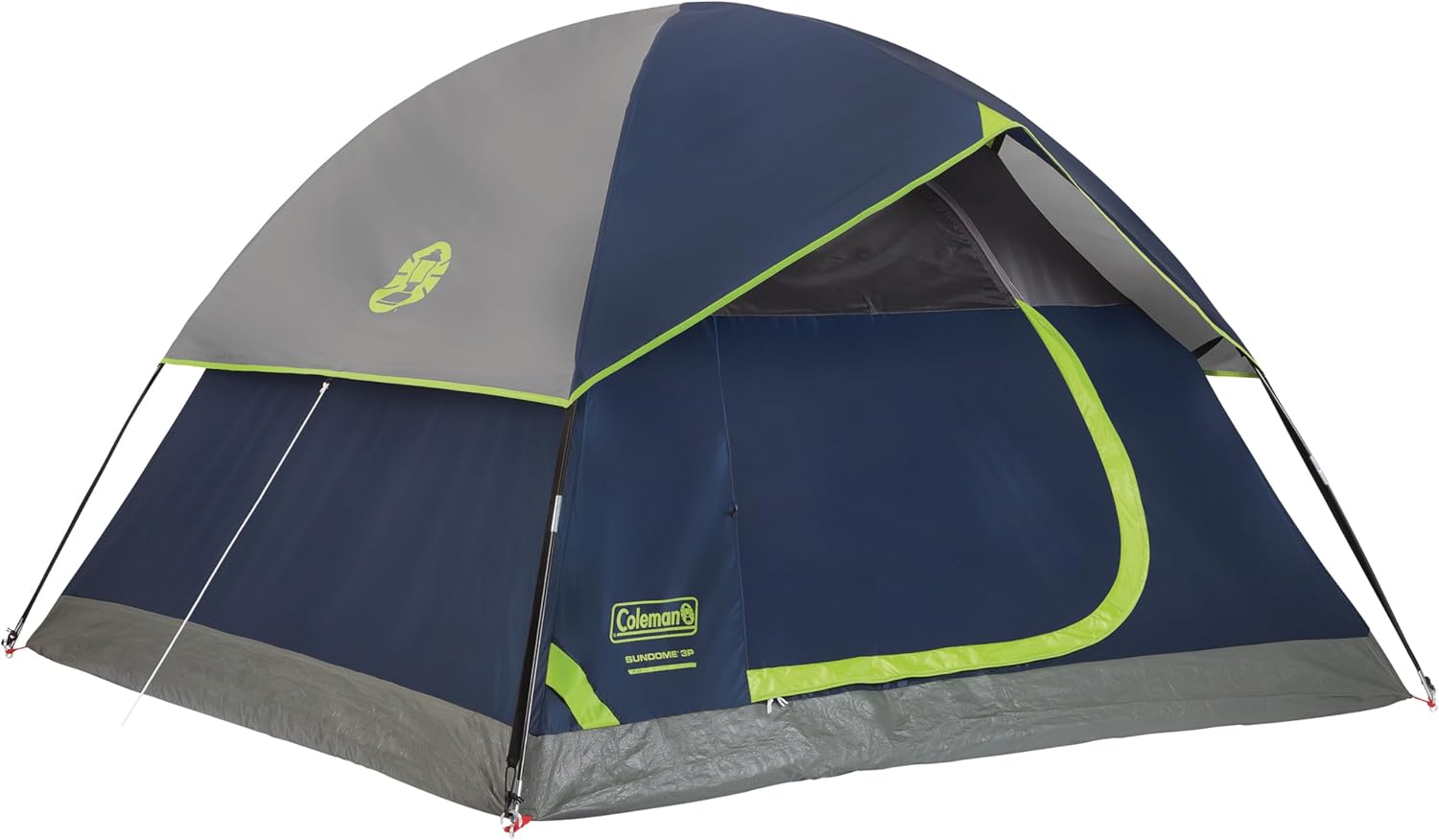
- Coleman Sundome Camping Tent. It's freestanding and quick to pitch, so you can move it when you find flatter ground. The rainfly handles surprise mountain storms.
- Coleman Triton 2-Burner Propane Stove. During a fire ban it's your only legal way to cook, and the wind guards help on exposed BLM sites. See more options in our camping stove guide.
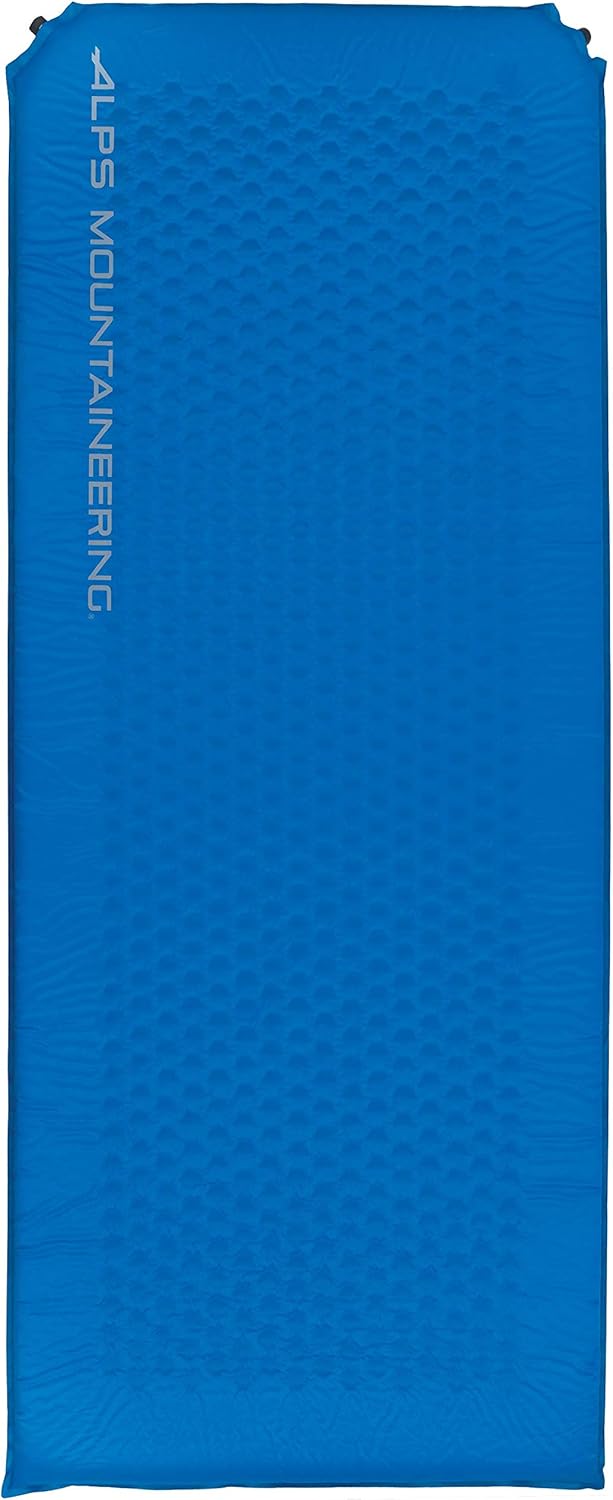
- ALPS Mountaineering Flexcore Self-Inflating Air Pad. Dispersed sites are rocky and uneven. A self-inflating pad smooths them out and insulates you from cold ground. It's also the base layer for a cowboy camping night.
Final Tips
Dispersed camping is the best deal in the outdoors, but it only stays open if campers treat it well. Check the official map, call the district, arrive before dark, follow the 14-day limit and leave your site cleaner than you found it.