
The Complete Camping Checklist: Everything You Need for Your Next Trip
Never forget a thing on your next camping trip. Our complete camping checklist covers shelter, sleep, cooking, safety, and clothing for any campsite.
Use this guide for
Better camping decisions, faster trip planning, and clearer gear choices. Use this article as your starting point, then keep going with related camping guides and practical help articles below.
Whether it's your first time camping or your fiftieth, using a solid camping checklist is the difference between a relaxed trip and a frustrating one. Forgetting a tent stake, your headlamp, or a pot for boiling water can derail even the best-planned outing. This camping checklist covers every category — shelter, sleep, cooking, clothing, safety, and more — so you can pack with confidence.
Shelter and Camp Setup
Your shelter is the foundation of any camping trip. A reliable tent keeps you protected from wind and rain, while a proper footprint or ground cloth extends its life.
- Tent with rainfly and stakes
- Tent footprint or ground cloth
- Mallet or rock for driving stakes
- Tarp or canopy (optional, for shade)
- Camping chairs
- Folding table (optional)
- Campsite lantern or string lights
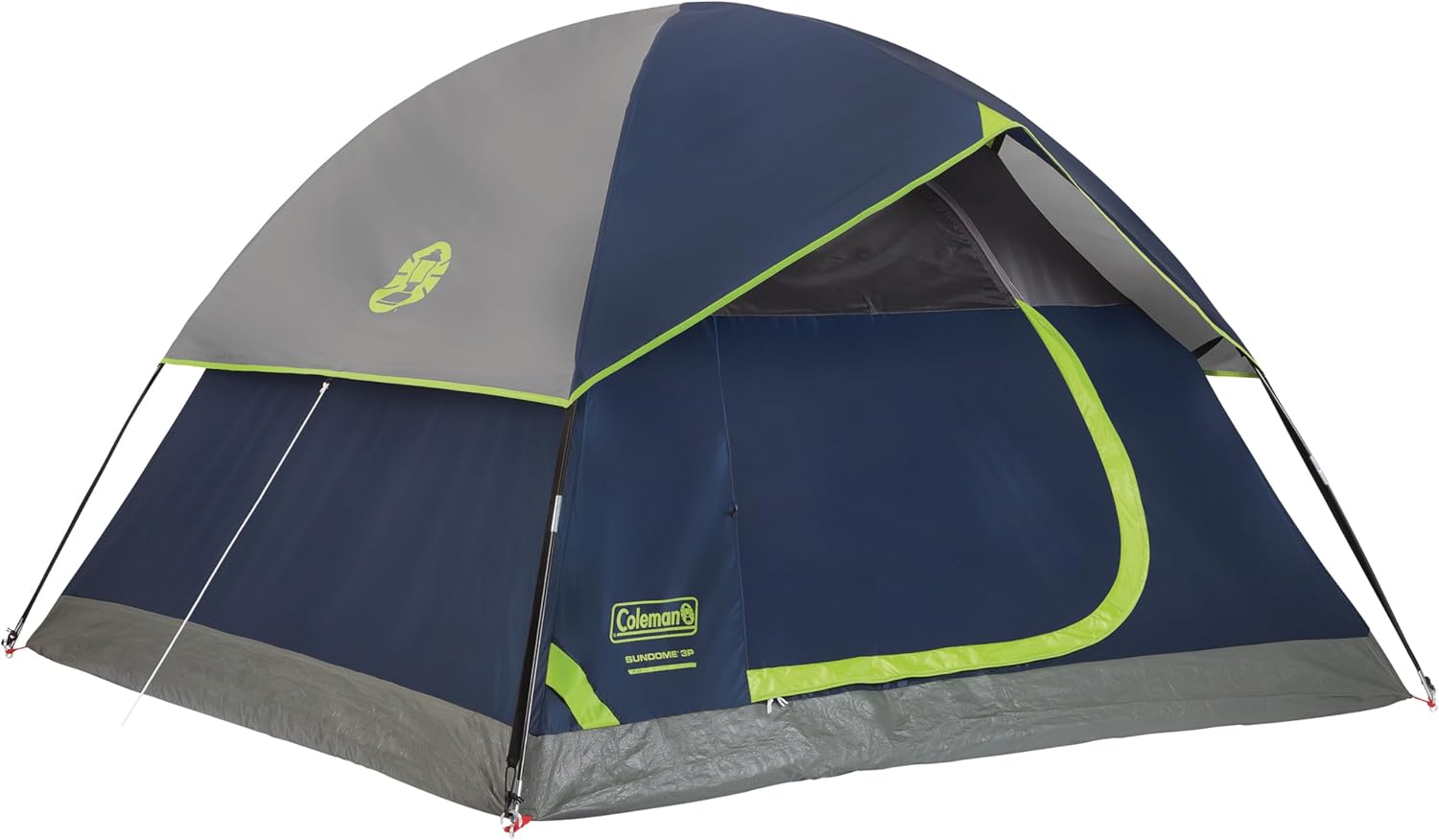
Recommended: The Coleman Sundome Camping Tent sets up in under 10 minutes and includes a rainfly. It's available in 2-, 3-, 4-, and 6-person sizes, making it a reliable go-to for every trip size.
Sleep System

Good sleep is what separates an enjoyable camping trip from a miserable one. Your sleep system includes your sleeping bag, pad, and pillow — all three matter.
- Sleeping bag rated for expected nighttime temperatures
- Sleeping pad or air mattress
- Camp pillow or stuff sack pillow
- Sleeping bag liner (optional for cold nights)
- Eye mask and earplugs
Recommended: The Teton Celsius Sleeping Bag comes in 25°F, 20°F, and 0°F ratings for adults and kids. Pair it with a self-inflating sleeping pad for complete comfort on any terrain.
Lighting
Once the sun goes down, lighting becomes essential — both at the campsite and on the trail.
- Headlamp with fresh or charged batteries
- Lantern (battery or propane)
- Extra batteries or USB power bank
- Glow sticks for kids (optional)
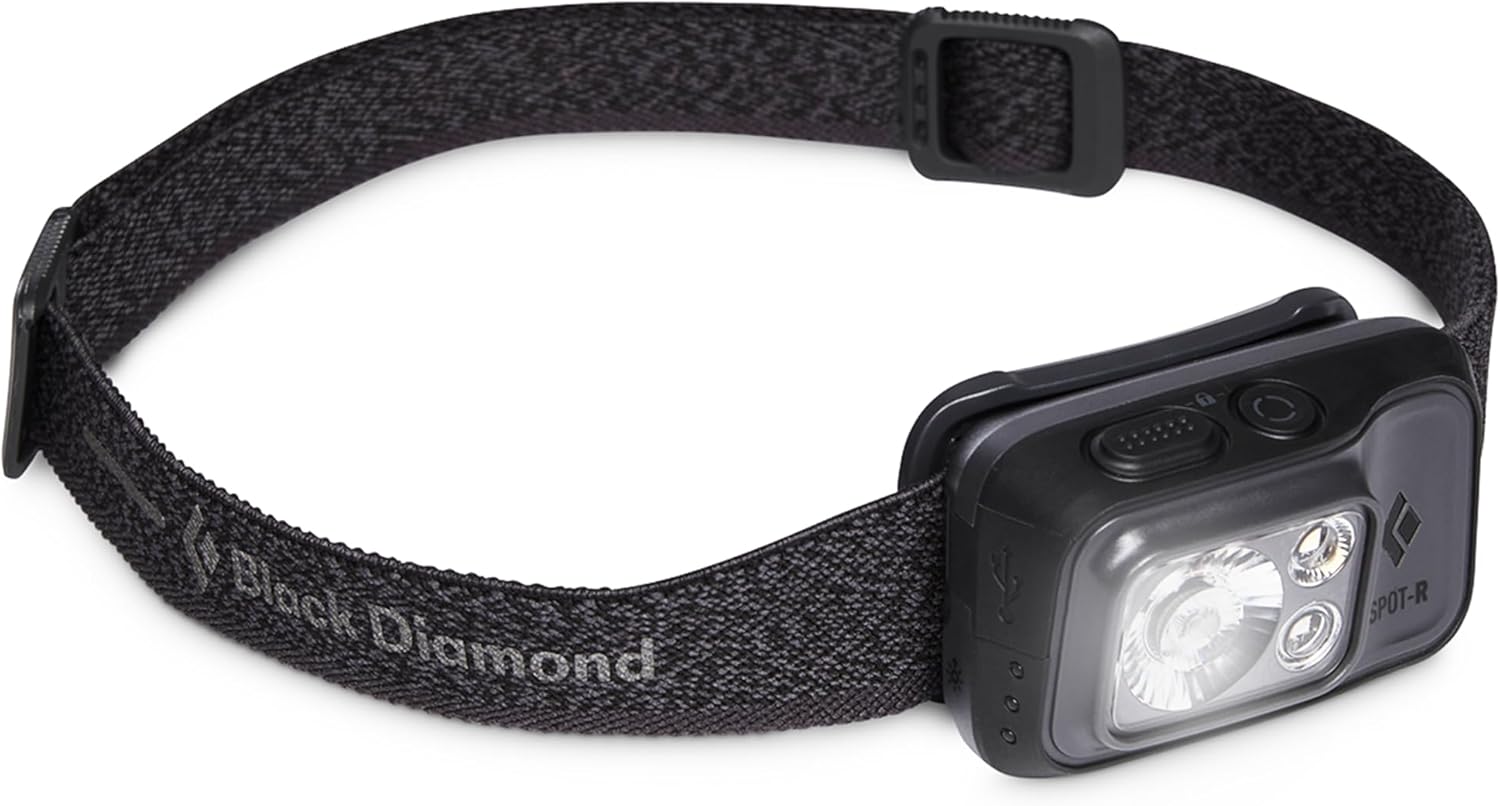
Recommended: The Black Diamond Spot 400-R Rechargeable Headlamp puts out 400 lumens, charges via USB, and is fully waterproof. It's the kind of headlamp you reach for on every trip.
Cooking and Food
Camp cooking can be as simple or elaborate as you want. At minimum, you need a way to boil water and a few basic utensils.
- Camp stove and fuel canisters or propane
- Lighter or matches (plus backup)
- Cookware set (pot, pan, or mess kit)
- Plates, bowls, and cups
- Fork, knife, spoon or a spork
- Cutting board and camp knife
- Dish soap, sponge, and drying towel
- Trash bags and a bear canister (where required)
- Food cooler with ice
- Aluminum foil
Food Planning Tips
Pack meals that require minimal prep and cleanup. Freeze-dried meals, instant oatmeal, trail mix, energy bars, and pre-marinated proteins in zip-lock bags are all smart choices. Pre-portion snacks at home to avoid wasting time digging through bags at the campsite.
Clothing
The right clothing keeps you comfortable across changing weather. Even in summer, nights can get cold — always pack layers.
- Moisture-wicking base layer (top and bottom)
- Insulating mid-layer (fleece or down jacket)
- Waterproof outer layer or rain jacket
- Comfortable camp pants or shorts
- Wool or synthetic socks (at least two pairs per day)
- Hiking boots or trail runners
- Camp shoes or sandals for around the site
- Hat with a brim and a warm beanie
- Gloves (for shoulder-season trips)
Safety and First Aid
Every camping checklist should include a first aid kit and emergency supplies. Conditions change, and being prepared is non-negotiable.
- First aid kit with bandages, antiseptic, and blister care
- Emergency whistle
- Fire extinguisher or bucket of sand
- Map of the area (don't rely solely on your phone)
- Compass
- Emergency contact information written on paper
- Personal medications
- Sunscreen (SPF 30+) and lip balm
- Bug repellent
- Hand sanitizer
Navigation and Communication
Cell service is often unreliable in campgrounds and wilderness areas. Prepare accordingly.
- Fully charged phone
- Portable power bank
- Offline maps downloaded (AllTrails, Gaia GPS, etc.)
- Topographic map and compass as backup
- Satellite communicator (for remote trips)
Hygiene and Leave No Trace
Good hygiene at the campsite keeps you comfortable and protects the environment.
- Biodegradable soap and shampoo
- Quick-dry towel
- Toothbrush and toothpaste
- Wet wipes for quick cleanups
- Trowel for cat holes (dispersed camping)
- Toilet paper in a zip-lock bag
- Pack-out bags for waste
Always follow Leave No Trace principles: pack out everything you bring in, minimize campfire impact, and respect wildlife.
Campsite Extras Worth Packing
These aren't strictly necessary, but they make any campsite feel more like home:
- Camp rug or mat for the tent entrance
- Book, cards, or games for downtime
- Hammock for afternoon rest
- Portable speaker for music
- Camera or binoculars for wildlife viewing
Building Your Own Camping Checklist
Use this list as your master template and customize it for each trip. A weekend car camping trip has different needs than a week-long backcountry adventure. Create a digital or printed version, check items off as you pack, and leave it in your camping bin so you never have to start from scratch.
A good camping checklist doesn't just prevent forgotten items — it also helps you avoid overpacking. Every item on this list earns its weight. If you're unsure whether to bring something, ask: "Will I use this every day?" If the answer is no, leave it behind.