
Wisconsin Camping: The Complete 2026 Guide
Camp Wisconsin's Northwoods lakes, Door County shore, and Devil's Lake bluffs — where to go, how park reservations and the vehicle sticker work, and what to pack.
Use this guide for
Better camping decisions, faster trip planning, and clearer gear choices. Use this article as your starting point, then keep going with related camping guides and practical help articles below.
Wisconsin camping means two very different states stitched together: the Northwoods, where thousands of glacier-carved lakes hide under pine and birch, and the southern Driftless country, unglaciated and folded into steep coulees and river valleys. Add two Great Lakes coastlines and it's one of the most varied camping states in the Midwest. This guide covers where to camp in Wisconsin, how state park reservations and the vehicle admission sticker work, when to go, and what to pack for Northwoods nights that stay cool long after the rest of the country turns muggy.
Why Camp in Wisconsin?
Wisconsin camping is lake camping first and foremost — the state has more than 15,000 inland lakes, plus shoreline on both Lake Michigan and Lake Superior. Around 50 state parks and forests, a national lakeshore, and the sprawling Chequamegon-Nicolet National Forest give you everything from full-hookup family loops near the Dells to walk-in wilderness sites where a loon at dusk is the only sound. Quartzite bluff, dark-sky peninsula, or a quiet Northwoods lake to yourself — there's a campsite for it.
Northwoods, Coast, and Driftless
Wisconsin camping breaks into three distinct trips:
- The Northwoods (the northern third — Rhinelander, Minocqua, Hayward) is classic lake-and-pine country. Cool nights, dark skies, black bears, and hundreds of lakeside sites in state and national forest.
- The Great Lakes coasts run from Door County's limestone peninsula on Lake Michigan to the Apostle Islands sea caves on Lake Superior. Water views, ferries, and the state's most sought-after sites.
- The Driftless Area (the unglaciated southwest) trades lakes for spring-fed trout streams, sandstone bluffs, and steep wooded valleys.

The Big Destinations
- Devil's Lake State Park — Wisconsin's most popular park, near Baraboo. A spring-fed lake ringed by 500-foot quartzite bluffs. Summer weekends book out the instant the window opens.
- Peninsula State Park — the Door County heavyweight on Green Bay, with nearly 500 sites, a lighthouse, and miles of shoreline. Reserve early; this is one of the busiest parks in the Midwest.
- Newport State Park — Wisconsin's only certified International Dark Sky Park, at the tip of Door County. Sites are hike-in, so the night skies are genuinely spectacular.
- Apostle Islands National Lakeshore — Lake Superior sea caves and 21 islands reached by kayak or boat. Camping here means paddling or backpacking to island sites. Our guide to camping in national parks explains how these permits differ from state parks.
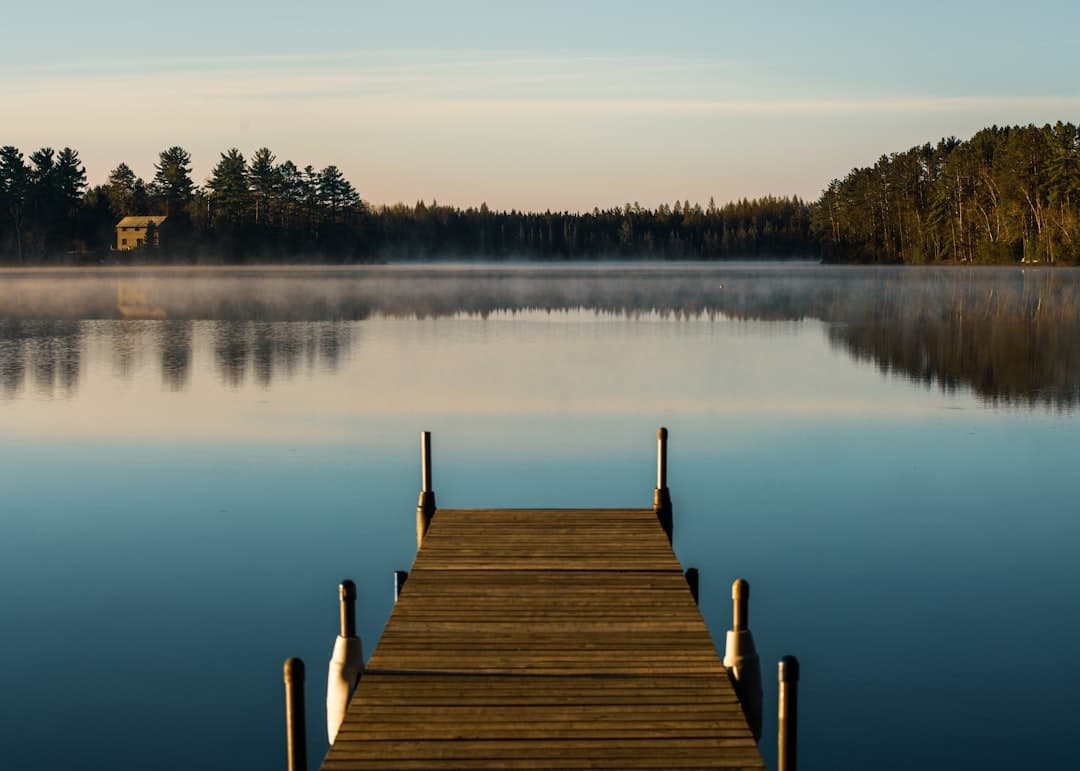
- Northern Highland-American Legion State Forest — the heart of the Northwoods near Rhinelander and Minocqua, with hundreds of lakeside and rustic sites, including the Spider Lake country in the photo above.
- Copper Falls State Park — dramatic waterfalls on the Bad River near Mellen, with a well-run campground and classic CCC-era stonework.
State Parks and the Vehicle Admission Sticker
Two systems govern Wisconsin's state parks, and first-timers trip over both:
- The vehicle admission sticker is required to enter any state park or forest — it's separate from your campsite fee. Residents pay about $28 for an annual sticker; non-residents about $38, with daily options at the gate. Buy it when you book or on arrival.
- Reservations run through the Wisconsin State Park System's online reservation service on an eleven-month rolling window. Devil's Lake, Peninsula, and Willow River sell out summer weekends almost as soon as they open.
- Rustic vs. modern matters: modern sites have electricity and showers; rustic and walk-in sites have vault toilets and hand pumps. State forest and national forest campgrounds are the sleeper pick — cheaper, quieter, often lakeside, and sometimes first-come, first-served. For the wildest options, our dispersed camping guide helps you find free national-forest sites.
When to Go
July and August deliver the warmest days and the warmest lake swimming — and the thickest crowds and mosquitoes. Late May and June are green and quiet but peak bug season, especially in the Northwoods where black flies swarm. September may be Wisconsin's finest camping month: the lakes hold their warmth, the bugs fade, and fall color creeps south from the north by late in the month. Pack for cold no matter when you go — Northwoods lows dip into the 40s even in midsummer.
What First-Time Wisconsin Campers Should Know
- Book the eleven-month window for the marquee parks. Devil's Lake and Peninsula are effectively lotteries if you wait for the last minute.
- Don't move firewood. Wisconsin restricts transporting it to slow the emerald ash borer and spongy moth — buy it within about 10 miles of your site or use certified wood.
- The Northwoods is bear country. Black bears range across northern Wisconsin. Our bear-safe food storage guide covers the routine.
- Respect the big lakes. Lake Superior stays dangerously cold year-round and Lake Michigan builds real rip currents on windy days — swim at guarded beaches.
- Weather turns fast. A calm lake afternoon can flip to a line of thunderstorms in an hour. Stake the tent properly every single time.
Give our camping safety tips a read before you head out.
Recommended Gear for Wisconsin Camping
Cool Northwoods nights, lake-effect wind, and rustic sites with no lighting — this kit is built for it:
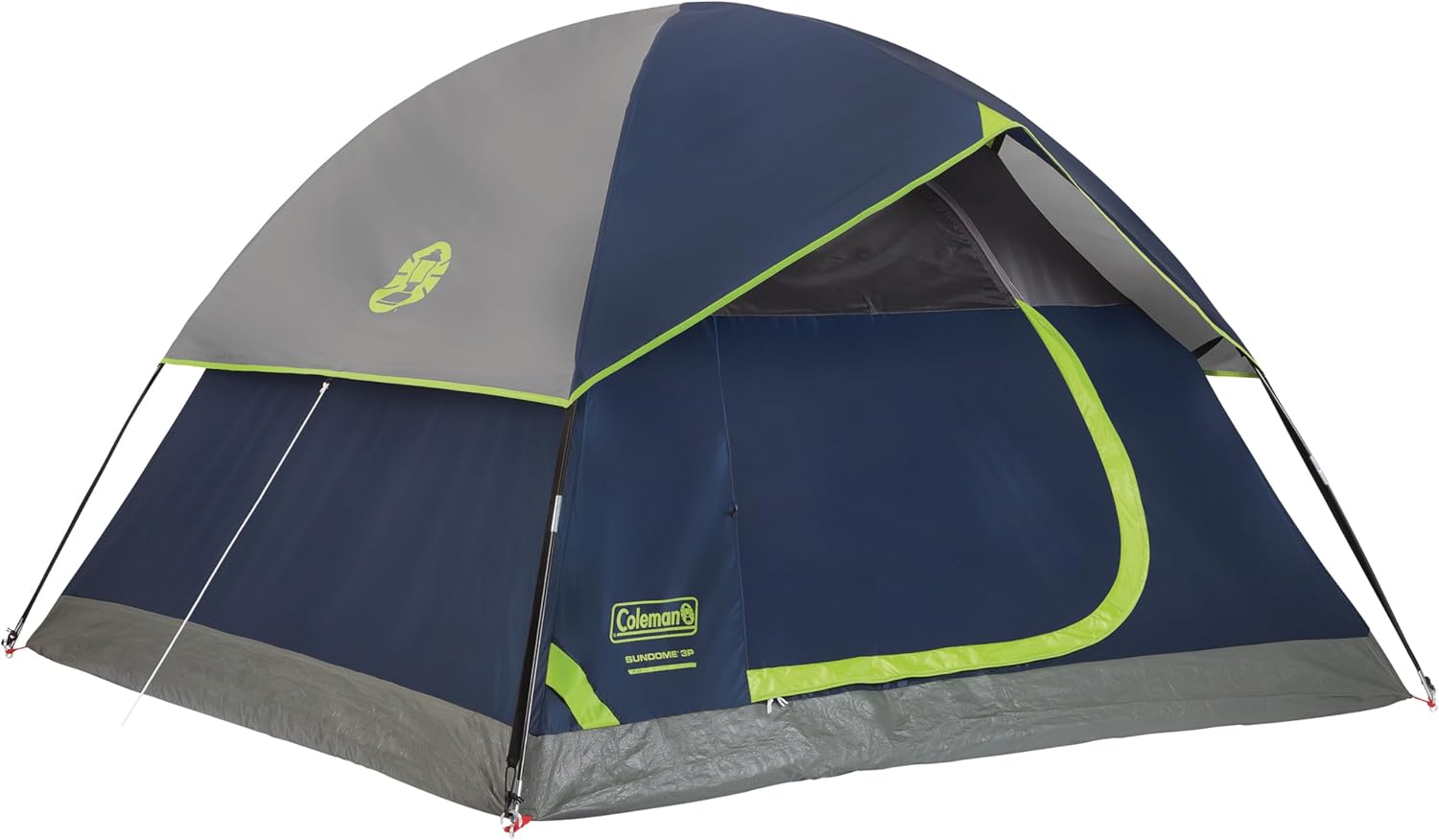
- Coleman Sundome Camping Tent — a real rainfly and a 10-minute pitch are exactly what fast-moving Wisconsin weather demands. New to it? Our tent setup guide walks you through it.
- Teton Celsius Sleeping Bag — Northwoods nights drop into the 40s all summer. A 20°F-rated bag turns a cold night comfortable.
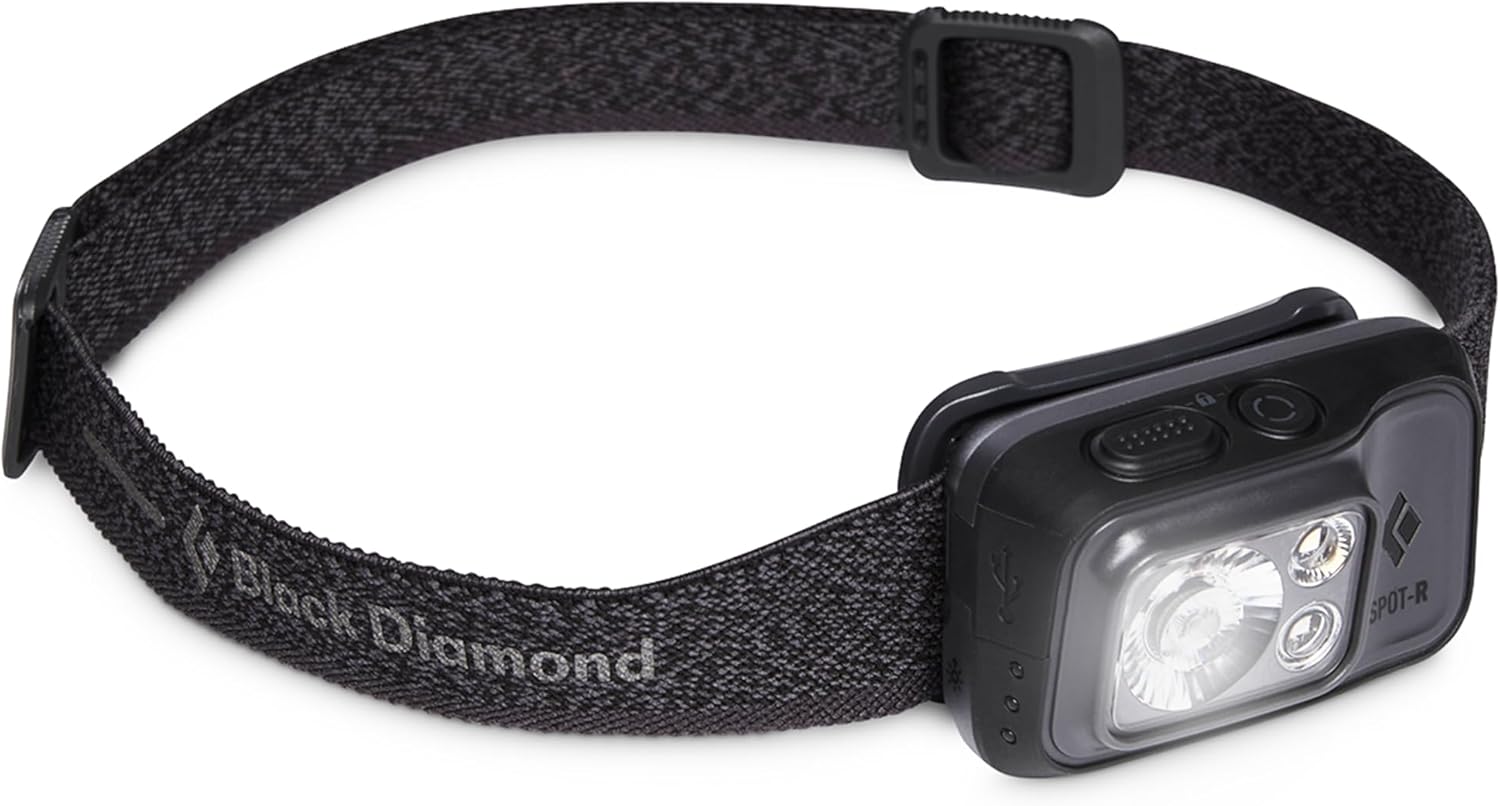
- Black Diamond Spot 400-R Rechargeable Headlamp — rustic and forest campgrounds have zero lighting, and this one is waterproof enough for lakeside dew and rain.
Then run through our full camping checklist before you load the car.
Final Tips
Set a reminder for your eleven-month reservation window, keep the vehicle sticker current, buy firewood locally, and pack warmer than the forecast suggests. Do that, and Wisconsin hands you Northwoods lakes, Great Lakes sea caves, dark-sky peninsulas, and Driftless valleys — more variety than you could explore in a lifetime of weekends.