
Olympic National Park Camping: The Complete 2026 Guide
Plan your Olympic National Park camping trip — rainforest, mountain, and coastal campgrounds, reservations, and the gear that keeps you dry on wet nights.
Use this guide for
Better camping decisions, faster trip planning, and clearer gear choices. Use this article as your starting point, then keep going with related camping guides and practical help articles below.
Olympic National Park camping is really three trips in one. In a single park you can pitch your tent under 300-foot spruce in a moss-draped rainforest, on a driftwood-strewn Pacific beach, and in a subalpine meadow beneath glacier-capped peaks — sometimes all in the same weekend. That variety is the draw, but it also makes planning trickier than a one-campground park. This guide breaks down where to camp, how to reserve a site, and exactly what to pack so the Pacific Northwest rain never ends your trip early.
The Three Olympics: Which Region to Camp In
Olympic protects three very different ecosystems, and where you camp shapes the whole trip:
- The coast — 73 miles of wild, foggy shoreline with tide pools, sea stacks, and beach campgrounds. Cooler and damp, with dramatic sunsets.
- The rainforest — the Hoh and Quinault valleys, some of the lushest temperate rainforest on Earth. Green, quiet, and wet.
- The mountains — Hurricane Ridge, Deer Park, and Sol Duc, where nights turn cold even in July and wildflowers peak in late summer.
Most first-timers try to sample all three. If that's you, plan for at least three or four nights and expect a fair amount of driving between regions — there's no road straight through the park's interior.
Best Campgrounds in Olympic National Park

There are 14 campgrounds inside the park. A few standouts by region:
- Kalaloch (coast) — the most popular, perched on a bluff above the beach; reservable in summer.
- Mora and Ozette (coast) — gateways to Rialto Beach and the Ozette Triangle.
- Hoh Rain Forest — camp among the mosses at the trailhead for the Hall of Mosses.
- Sol Duc (mountains) — near the falls and hot springs; partly reservable.
- Heart O' the Hills — the closest campground to Hurricane Ridge and its high-country views.
- Fairholme — on the west end of stunning Lake Crescent.
Many of the smaller campgrounds — Ozette, Deer Park, Graves Creek, North Fork, Queets, Staircase — are first-come, first-served, so arrive early on summer weekends.
Reservations and Timing
Kalaloch, Sol Duc, Mora, and Hoh take reservations through Recreation.gov, and the booking window opens up to six months in advance. Summer weekends fill fast, so set a reminder for the day your dates open. The remaining campgrounds are first-come, first-served — plan to roll in by early afternoon on a Friday to claim a spot.
The prime camping season runs July through September, when the trails are snow-free and the weather is at its driest. "Driest," though, is relative here: even summer sees regular rain, and the shoulder seasons are downright soggy.
What to Expect: Rain, Cold, and Wildlife
Three things catch new Olympic campers off guard:
- The rain is no exaggeration. The Hoh Rain Forest averages 12 to 14 feet of rain a year — among the wettest spots in the lower 48. Even in summer, pack as if it will rain, because it often will. A tent with a full rainfly and a ground tarp is non-negotiable. Our camping in the rain guide covers how to stay dry when it does.
- Nights get cold. Coastal fog and mountain elevation both pull temperatures into the 40s°F after dark, even during warm days. Bring a sleeping system rated well below the forecast low, and see our guide to staying warm while camping if you sleep cold.
- Wildlife is everywhere. Black bears roam the forests, Roosevelt elk graze the valleys, and clever raccoons patrol the beaches. Use the provided food lockers or a bear canister for all food and scented items, and never store food in your tent. Our camping safety tips go deeper on wildlife etiquette.
If you camp on the coast, also grab a tide chart — some beach routes are impassable at high tide.
Best Things to Do From Camp
Base yourself in one region and the highlights are close by:
- Hoh Rain Forest — the Hall of Mosses loop is a short, jaw-dropping intro to the rainforest.
- Hurricane Ridge — panoramic mountain views and meadow trails a short drive up from Port Angeles.
- Sol Duc Falls — an easy walk to a photogenic waterfall, with hot springs nearby.
- Rialto Beach & Hole-in-the-Wall — sea stacks, tide pools, and driftwood at low tide.
- Lake Crescent — clear water for paddling and the Marymere Falls trail.
Recommended Gear for Olympic Camping
Olympic rewards campers who plan for cool, wet nights. These three pieces carry the load:
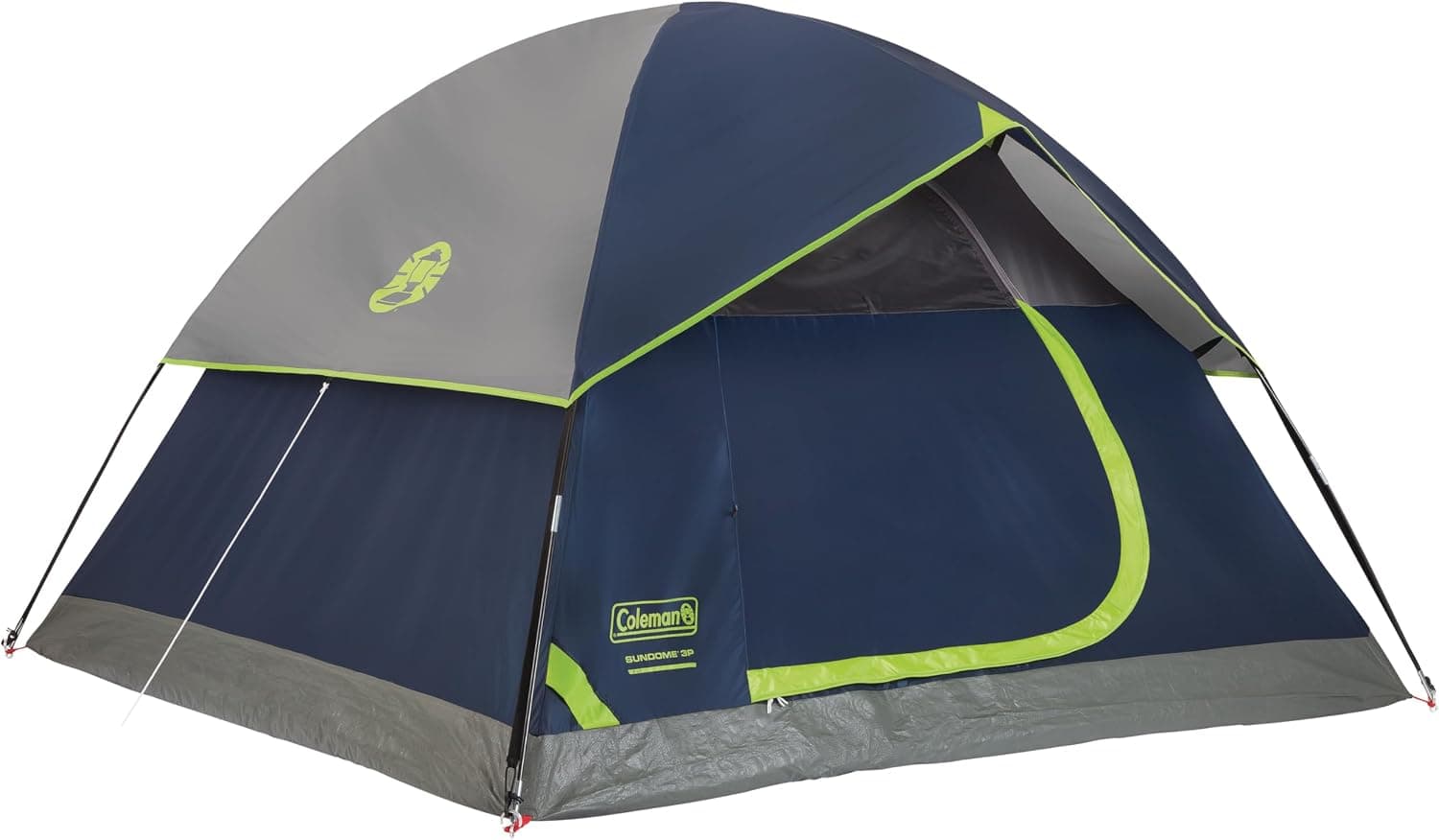
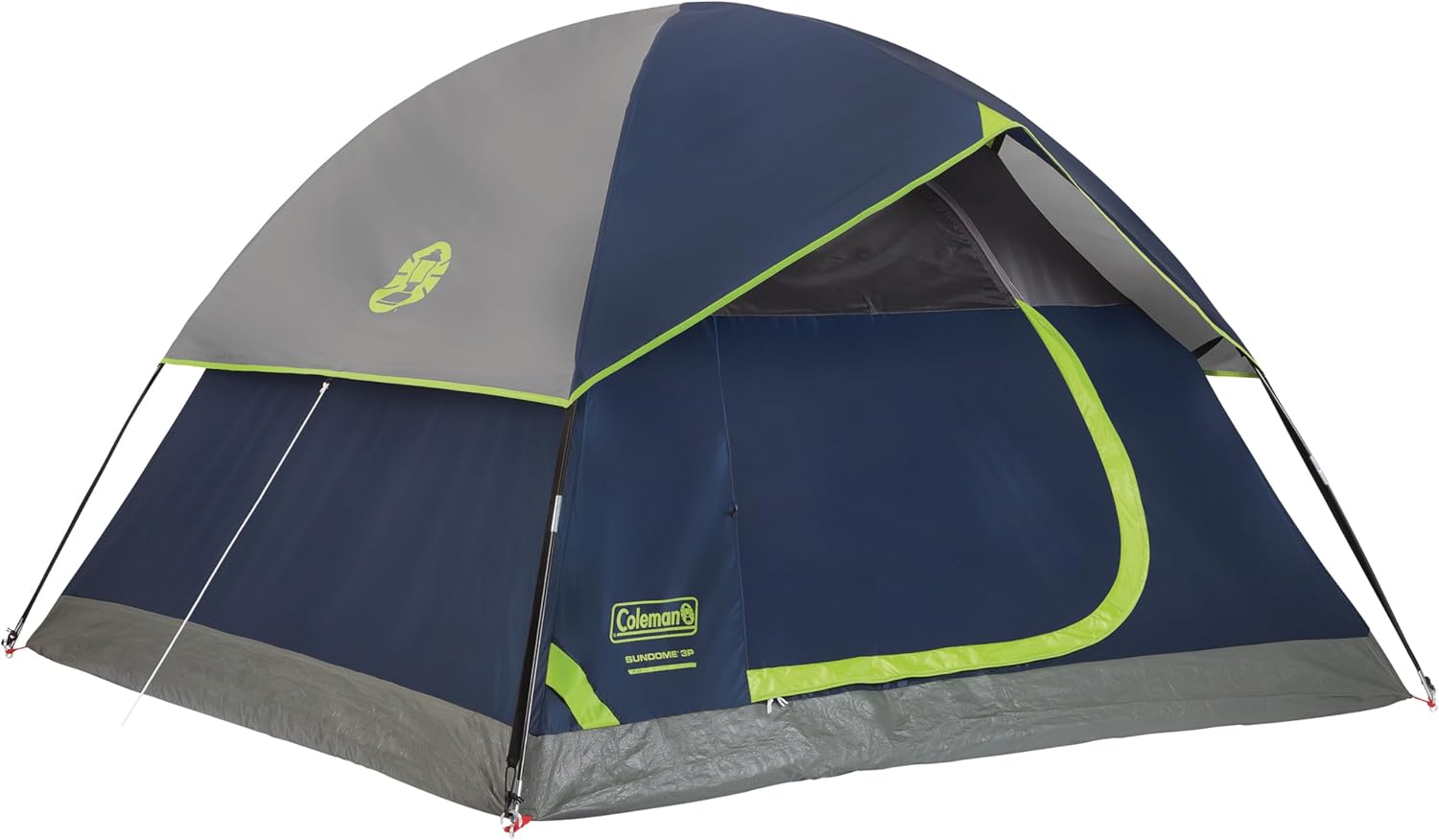
- Coleman Sundome Camping Tent — a freestanding dome with a full-coverage rainfly built to shed the near-constant Olympic drizzle. It pitches in about 10 minutes, which you'll appreciate when the clouds roll in. New to it? Our tent setup guide gets you fast.
- Teton Celsius Sleeping Bag — with nights routinely in the 40s across coast and mountains, a bag rated to 20°F or 0°F keeps the damp chill out.
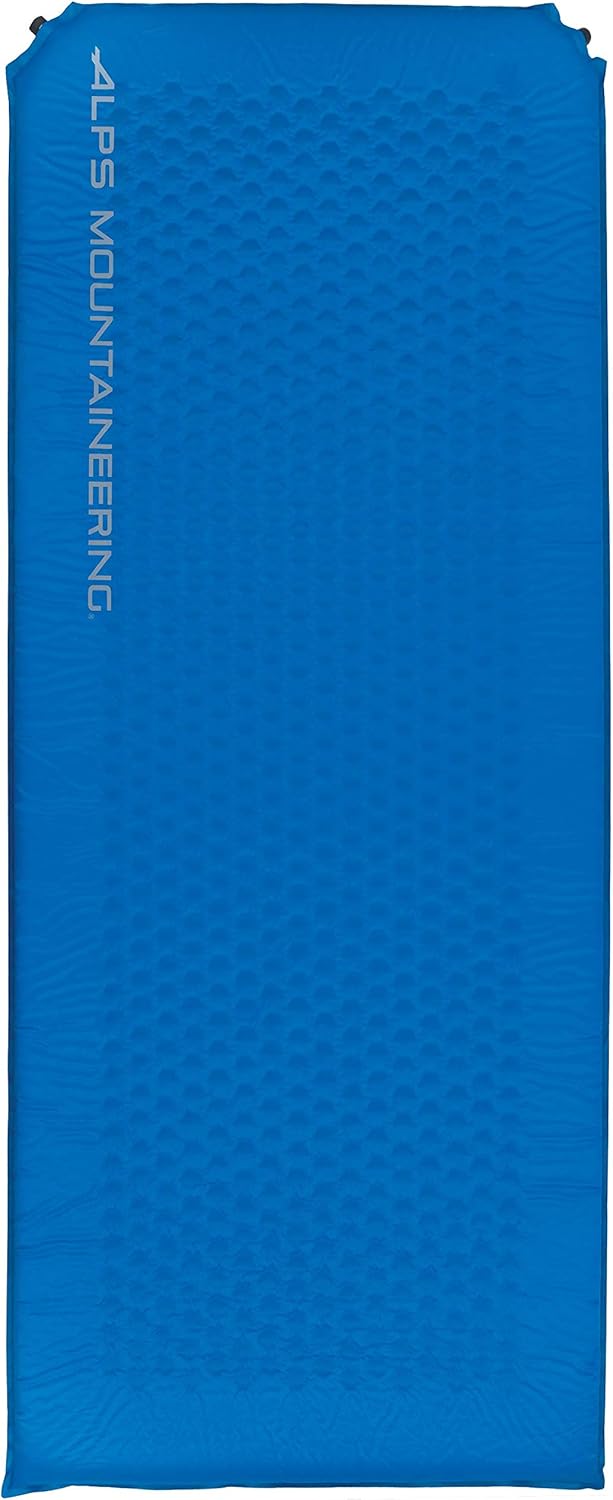
- ALPS Mountaineering Flexcore Self-Inflating Air Pad — the ground here is cold and often wet, and an insulated pad blocks that chill from stealing your body heat all night. It's the single most underrated piece of comfort gear for a rainforest trip.
Round it out with a rain shell, warm mid-layers, and quick-dry footwear, then run through our full camping checklist before you leave.
Final Tips
Book reservable sites the moment your window opens, plan your route region by region, pack for rain no matter the forecast, and lock every scented item in the bear box. Do that and Olympic delivers a rare trifecta — rainforest, mountains, and wild coast — on one unforgettable trip. Chasing more national-park nights? Our Redwood National Park camping guide is a natural next stop down the coast.