
Camping at Jekyll Island, GA: The Complete 2026 Guide
A practical guide to Jekyll Island Campground in Georgia — the campground map and loops, RV hookups, reservations, rates, check-in, and Driftwood Beach.
Use this guide for
Better camping decisions, faster trip planning, and clearer gear choices. Use this article as your starting point, then keep going with related camping guides and practical help articles below.
Camping at Jekyll Island, GA gets you a campsite under 200-year-old live oaks on a barrier island where a daily parking pass, not a park gate fee, is the price of admission. Jekyll Island Campground sits on the island's north end, a few minutes' walk from Driftwood Beach and a flat bike ride from the Historic District — and it is the only campground on the island, which is exactly why it books the way it does.
Here's what to know before you reserve.
Jekyll Island Campground: The Basics
The campground occupies roughly 18 wooded acres at the north end of the island, off Riverview Drive near the Clam Creek Picnic Area. It's operated by the Jekyll Island Authority.
- It's a state-owned island, not a Georgia state park. People search for a "Jekyll Island state park campground" constantly, and that's the confusion: Jekyll Island is state-owned land managed by its own Authority. You won't find it on the Georgia State Parks reservation system, and ReserveAmerica won't have it either. Book through the island's own campground.
- Roughly 200 sites, split across full-hookup RV sites, water-and-electric sites, and a smaller set of primitive tent sites.
- Live oaks and Spanish moss over most of the loops. This is genuinely shaded camping — a real advantage on the Georgia coast in July, and the reason a hammock is worth packing.
- Amenities are full-service: bathhouses with hot showers, laundry, a dump station, a camp store, and wifi that works better in some loops than others.
- The daily parking fee is separate. Every vehicle entering Jekyll Island pays a parking fee at the causeway gate. Campers get a pass, but budget for it — it isn't included the way people expect.
Is Jekyll Island Campground on the Beach?
No — and this is the single most common wrong assumption about it.
The campground is wooded and inland, not oceanfront. There are no sites with a sand view. What you get instead is a short walk or a two-minute bike ride out to the north-end beach and Driftwood Beach, which most people would trade for anyway: you camp in shade and walk to the water, rather than baking on an exposed dune.
The Campground Map and Picking a Site
Pull up the Jekyll Island Campground map before you book — the loops differ more than the site numbers suggest.
- Full-hookup RV loops sit toward the interior and are the most heavily booked. Pull-through sites are limited; if you're in a big rig, filter for those first and reserve early.
- Water-and-electric sites are a good middle ground, often with more space between neighbors.
- Primitive tent sites are the quietest and cheapest, but you're carrying water and walking to the bathhouse.
- The best campsites are the ones deepest under canopy, on the outer edge of a loop, away from bathhouse traffic. Shade and a buffer neighbor beat proximity to the shower building.
- Check the overhead before you park. Heavy oak canopy is the whole appeal, but tall RVs and rooftop units need clearance — look at site photos, not just the site map, and call the campground if you're unsure.
Low branches, soft sandy soil, and root systems mean conditions vary a lot within a single loop. Site photos are worth more here than the map alone.
Reservations, Rates, and Check-In
- Reservations run through the campground directly. Book online or by phone; there's no Recreation.gov listing.
- Spring and fall are peak. March through May and September through November are the pleasant months on the Georgia coast, and they fill first — especially weekends and holidays. Summer is easier to book and harder to camp in.
- Rates vary by site type and season, with separate nightly, weekly, and monthly rates. The monthly rate draws long-stay snowbirds in winter, which tightens hookup availability from January into spring. Confirm current pricing, extra-vehicle fees, and pet fees at booking.
- Check-in is early afternoon, checkout mid-morning — the standard pattern. Confirm exact times when you reserve, and ask about late arrival if you're driving in after the office closes.
- Cancellation windows are real. Read them before you book a peak-season weekend.
Driftwood Beach and the North End
Driftwood Beach is the reason most people come, and it's essentially the campground's front yard.
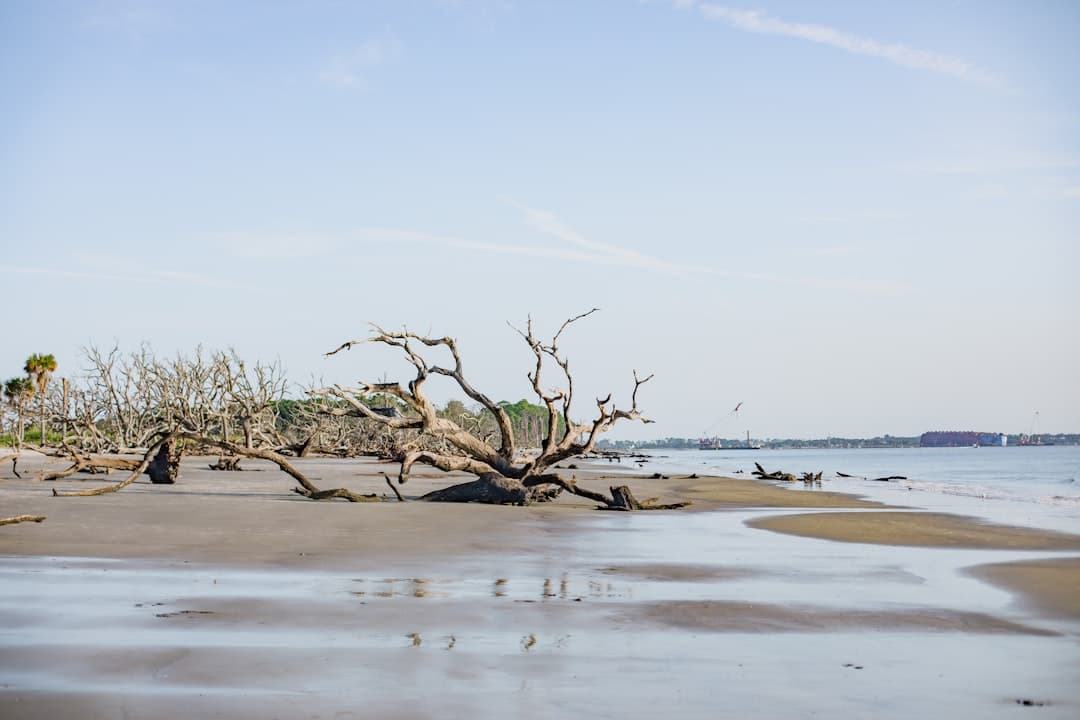
- Go at low tide, early. The skeletons of salt-killed oaks and pines lie exposed across the sand — it's the most photographed stretch of the Georgia coast, and at sunrise you may have it to yourself.
- Check a tide chart. At high tide the driftwood field is partly underwater and the walkable beach narrows sharply.
- Clam Creek Picnic Area and the fishing pier sit next to the campground, with views back toward St. Simons and reliable shore fishing.
- Sea turtle nesting season runs May through October. Beach lighting is restricted to protect hatchlings — use red light near the dunes after dark and keep white light pointed down and inland. The Georgia Sea Turtle Center in the Historic District is the rehabilitation facility behind those rules, and it's worth an hour.
Getting Around: Bikes and Golf Carts
Jekyll has more than 20 miles of paved bike paths, and they are the correct way to see the island.
- Bring bikes if you can. The paths connect the campground to Driftwood Beach, the Historic District, Great Dunes Park, and Horton Pond without ever putting you on the main road.
- Golf cart rental is available on the island and is popular with families and anyone not up for pedaling in August humidity. Rent from an island vendor — the campground itself isn't a rental agency. Carts stay on roads and designated paths, not the beach.
- Distances are short. The Historic District is roughly 10 minutes by cart from the campground, and the full island loop is an easy morning by bike.
What to Actually Prepare For
- Humidity, not just heat. June through September is heavy. Plan mornings and evenings outdoors and a shaded midday.
- Afternoon thunderstorms arrive fast in summer and pass fast. The rainfly goes on every time, guyed out.
- Mosquitoes and no-see-ums at dusk, spring through fall. Repellent, long sleeves at sunset, and a screened shelter if you own one.
- Sandy soil holds stakes poorly. Long stakes or sand pegs are worth the space.
- Hurricane season is June through November, peaking August into October. Know the island's evacuation policy before committing to a fall trip — there's one causeway off.
What to Do Nearby
- Jekyll Island Historic District — the Gilded Age cottage district, walkable and shaded, with tram tours.
- Georgia Sea Turtle Center — the best rainy-afternoon backup on the island.
- Horton Pond and the island's interior trails — alligators, wading birds, and a boardwalk.
- St. Simons Island and Brunswick are 30–45 minutes away over the causeway for restaurants and a bigger town.
Recommended Gear for Jekyll Island Camping
Shade, humidity, biting insects, and turtle lighting rules define the kit here.
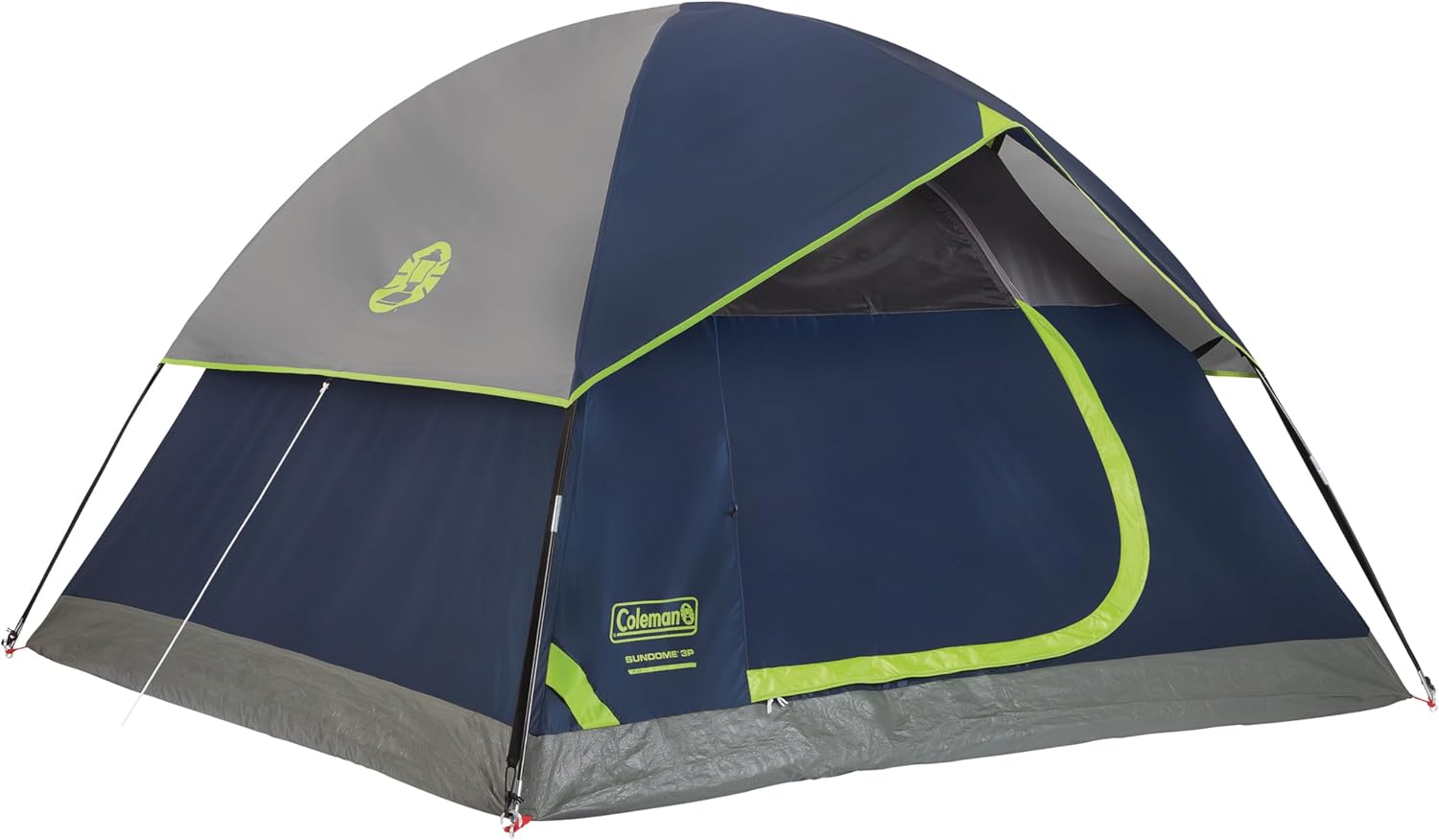
- Coleman Sundome Camping Tent — coastal storms roll through fast, so the rainfly goes on and gets guyed out even under a clear sky. Our how to set up a tent walkthrough covers pitching taut in soft ground, and the camping tent guide has more options.
- Wise Owl Outfitters Camping Hammock — the live oak canopy over these loops is close to a purpose-built hammock grove, and it's the best way to wait out a humid Georgia afternoon. More picks in our camping hammock guide.
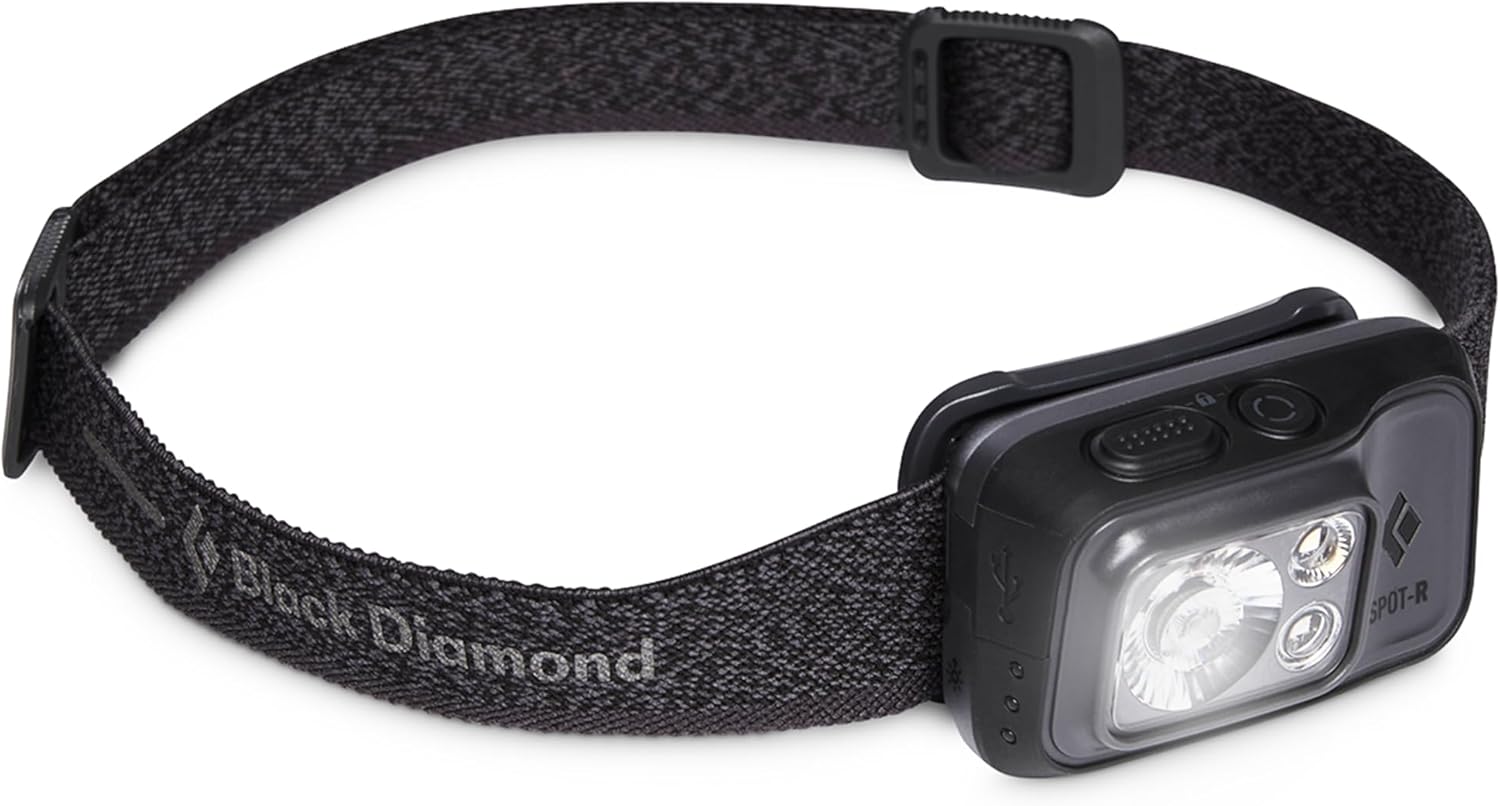
- Black Diamond Spot 400-R Rechargeable Headlamp — the red-light mode matters during turtle nesting season, and a waterproof lamp earns its keep in salt air and pre-dawn walks to Driftwood Beach. See our headlamp guide.
Round the kit out with our car camping checklist and the full camping gear checklist. For more coastal and Southeast trips, see Jetty Park, Florida state parks camping, Huntington Beach, and Hammocks Beach. Bringing kids? Start with family-friendly campgrounds and camping with kids.