
Best Camping Hammock in 2026: Top Picks for Every Camper
Find the best camping hammock for your next trip. We cover weight, durability, setup, and our top picks for car campers and backpackers alike.
Use this guide for
Better camping decisions, faster trip planning, and clearer gear choices. Use this article as your starting point, then keep going with related camping guides and practical help articles below.
A camping hammock might be the single best upgrade you can make to your campsite setup. Whether you're lounging between two trees after a long hike or skipping the tent entirely on a warm summer night, the right hammock turns any campsite into a comfortable retreat. But with hundreds of options on the market, picking the best camping hammock takes some know-how.
This guide covers everything you need to choose the right hammock — weight rating, materials, setup ease, and the features that separate a quality hammock from one that leaves you on the ground.
Why Bring a Camping Hammock?
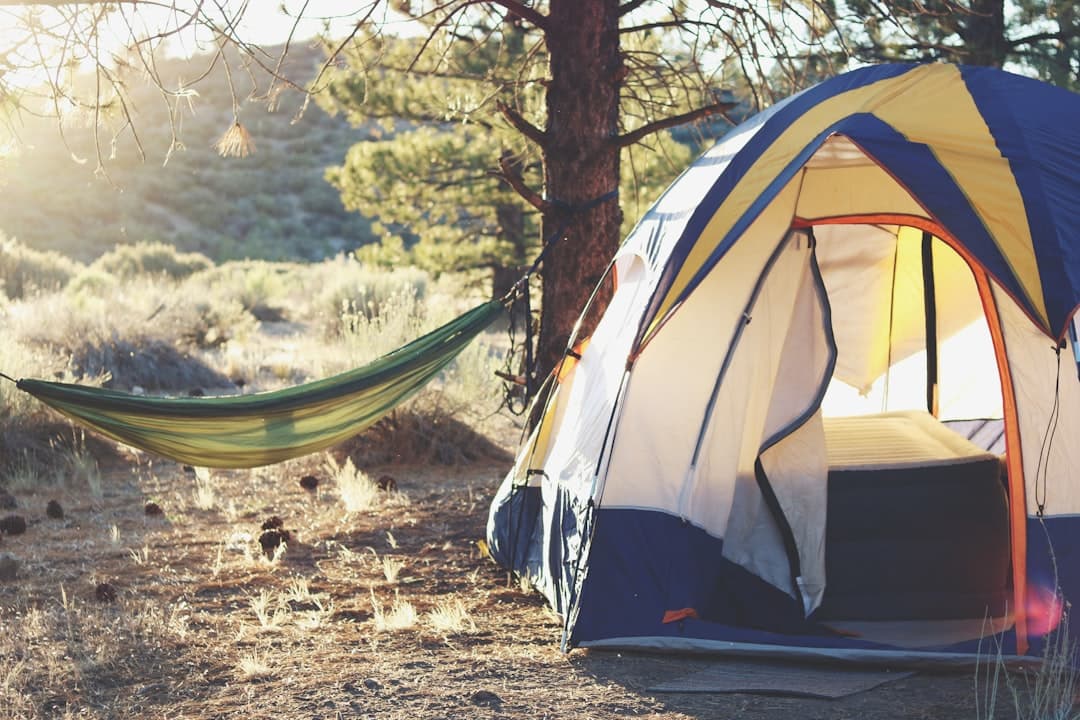
Hammocks are lighter and more packable than most camping chairs, and they work on terrain where chairs sink or tip. They're perfect for:
- Afternoon naps at the campsite between adventures
- Reading or relaxing while your campmates set up or cook
- Minimalist camping where you sleep in the hammock instead of a tent
- Kids who find them endlessly entertaining
Even if you're a tent camper, throwing a hammock in your pack adds almost no weight and dramatically boosts comfort around camp.
What to Look for in a Camping Hammock
Weight Rating
Always check the rated capacity before you buy. Most single hammocks are rated for 250–300 lbs, while double hammocks typically hold 400–500 lbs. The Wise Owl Outfitters Camping Hammock is rated at 500 lbs — solid enough for two adults or a parent and child.
Material
Parachute nylon is the most popular hammock fabric because it's lightweight, quick-drying, and comfortable. Look for 210T or 70D nylon for a good balance of durability and packability.
Suspension Straps
Many budget hammocks ship without tree straps, leaving you scrambling at the trailhead. Hammocks that include tree-friendly suspension straps save you money and mean you're ready to hang as soon as you find two trees. Tree straps should be at least 1 inch wide to avoid damaging bark.
Packed Size and Weight
For car camping, this matters less. For backpacking, every ounce counts. A good camping hammock should compress into a stuff sack about the size of a softball and weigh under 2 lbs with straps.
Ease of Setup
Look for hammocks that hang in 5 minutes or less. Whoopie sling systems and carabiner clip-in straps are far easier than knot-based systems, especially in the dark or in the rain.
Our Top Pick: Wise Owl Outfitters Camping Hammock
The Wise Owl Outfitters Camping Hammock is one of the most popular choices on the market, and for good reason. It's rated to 500 lbs, comes in single and double sizes, and includes tree straps so you're set up from day one. The nylon fabric is breathable and dries fast, making it a solid choice for humid conditions.
It's light enough to toss in a day pack and simple enough that kids can set it up themselves — a huge bonus if you're camping with children. Setup typically takes under 5 minutes, and it compresses into a compact carry pouch.
Who it's for: car campers, day hikers, and families who want a no-fuss hammock that will last for years.
Hammock vs. Tent: Do You Need Both?
Most campers use a hammock as a lounging addition rather than a shelter replacement. Hammock camping (sleeping in a hammock overnight) requires:
- Two trees roughly 12–15 feet apart
- An underquilt or sleeping pad for insulation from below
- A rain tarp if there's any chance of weather
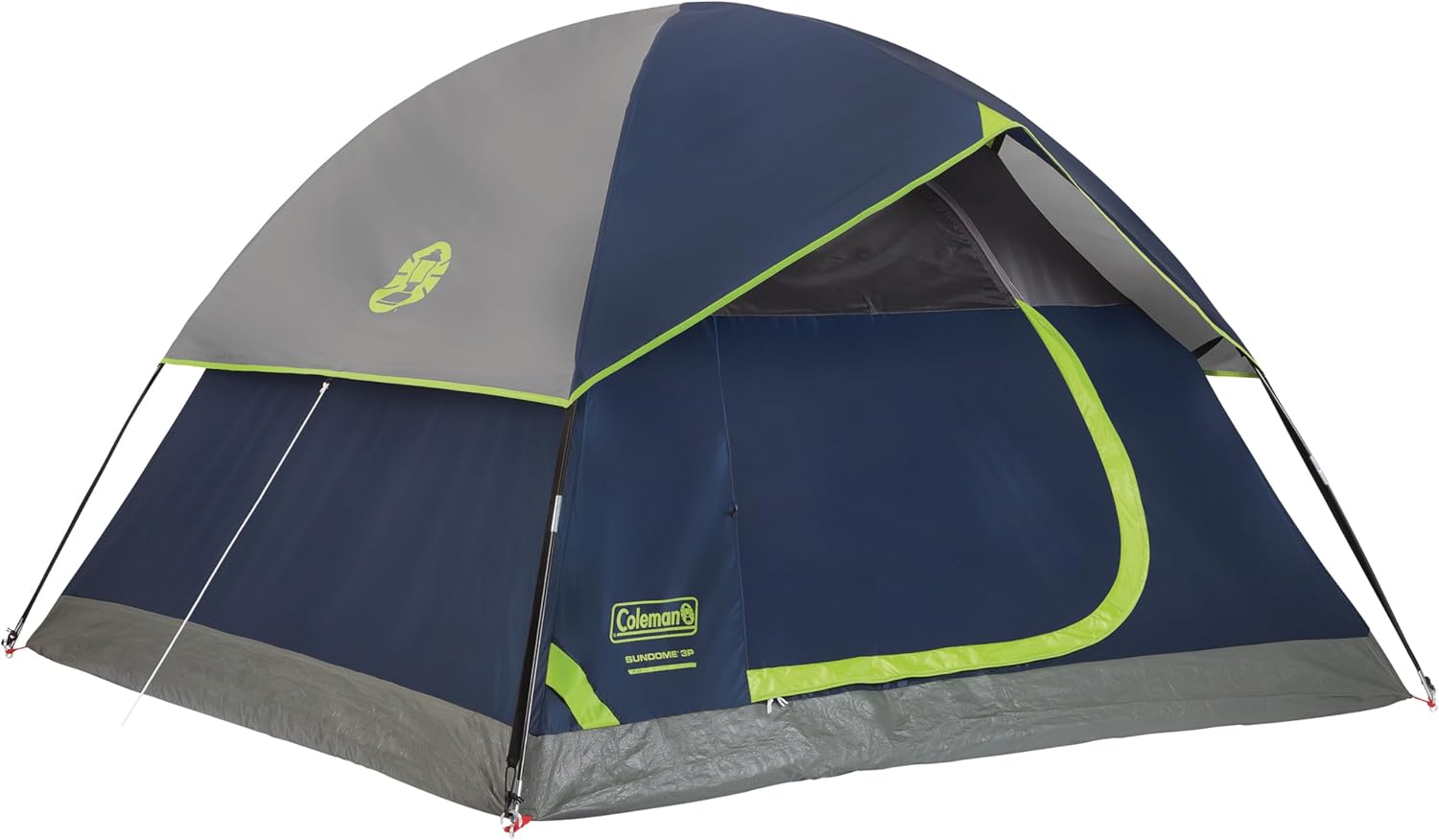
For traditional campgrounds with established sites, you'll likely want a tent as your primary shelter. The Coleman Sundome is a great car camping option — it sets up in 10 minutes and handles light rain well. Pair it with a hammock and you've got the best of both worlds: a solid sleeping shelter plus a comfortable place to relax during the day.
Hammock Setup Tips
- Look for trees 12–15 feet apart — too close and you sit low, too far and the hammock is too taut
- Hang at a 30-degree angle — this gives you the flattest, most comfortable lay
- Aim for 18 inches of clearance off the ground — enough to get in and out safely
- Tie off at shoulder height — the hammock will dip when you sit in it
- Use tree straps at least 1 inch wide — protects the tree and distributes weight better
Is a Camping Hammock Worth It?
Absolutely — especially for the price. A quality camping hammock costs $30–$80 and lasts for years with minimal care. It adds almost no weight or bulk to your pack and can be the most-used piece of gear at your campsite.
Whether you're napping between trees at a state park or watching the stars from your backyard, a camping hammock delivers a simple pleasure that's hard to beat.