
Winter Camping: A Beginner's Guide to Gear, Tips and Campsite Setup
Plan your first winter camping trip with this guide to cold-weather gear, snow campsite setup, hot tents, heater safety, and how cold is too cold for a tent.
Use this guide for
Better camping decisions, faster trip planning, and clearer gear choices. Use this article as your starting point, then keep going with related camping guides and practical help articles below.
Winter camping gives you quiet trails, empty campgrounds and sharp, starry skies. It also leaves less room for mistakes: a forgotten layer that's an annoyance in July becomes a real problem at 15°F. Camping in the winter is mostly about planning, and with the right site, gear and habits, a snowy weekend can be your best trip of the year.
This guide covers trip planning, winter camping gear, setting up on snow, hot tents and heater safety. For sleeping warm at night, see our companion guide on how to stay warm camping.
What Temperature Is Too Cold for Tent Camping?

There's no single cutoff, but here are some practical thresholds for most campers:
- Above 40°F: Standard three-season gear works with an extra layer.
- 20–40°F: This is the beginner's winter camping range. You need a 20°F-rated (or warmer) sleeping bag, an insulated pad and a solid layering system.
- 0–20°F: You need dedicated cold-weather gear, a four-season or very sturdy tent, and some experience.
- Below 0°F: Experienced campers only. Small mistakes, like wet gloves or a dead lighter, can turn dangerous fast.
For a first trip, aim for a forecast low of 25–35°F at a drive-in campground. Wind matters too: a 30°F night with 20 mph gusts feels colder than a calm 20°F night in the trees.
Planning Your First Winter Camping Trip
Start close to the car. A drive-in or short walk-in site lets you warm up in the vehicle or bail out. Many state parks keep a loop, heated restrooms or cabins open year-round.
Check what's open. Many campgrounds shut off water or close loops in winter. Call ahead and bring all your water.
Plan around short days. December may give you 9–10 hours of daylight, so arrive by early afternoon to set up and cook before dark.
Watch the forecast and roads. Check the weather, avalanche advisories in the mountains, and whether the road gets plowed. Tell someone your plan.
Winter Camping Gear Essentials
Most of your existing camping gear still works. These are the upgrades that matter in the cold:
- Sleeping bag rated 10–15°F below the expected low.
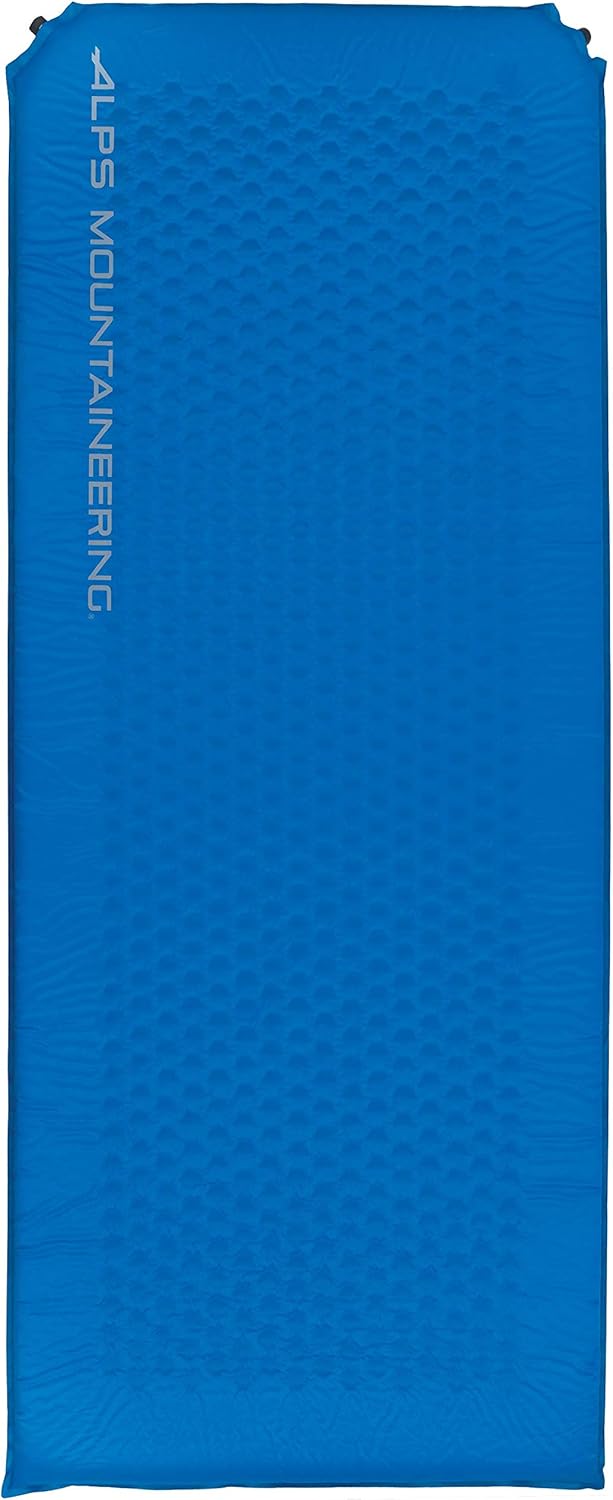
- Insulated sleeping pad (R-value 4+). Frozen ground pulls heat out faster than air. A closed-cell foam pad under an inflatable is a cheap upgrade.
- Sturdy tent with a full rainfly. Four-season tents handle snow and wind best. A well-staked three-season tent works for mild trips below treeline.
- Layering system. Wool or synthetic base layers, a fleece or puffy mid-layer and a waterproof shell. Skip cotton entirely.
- Insulated boots, gaiters and two pairs of gloves. Keep one pair dry in your pack at all times.
- A cold-capable stove. Canister fuel struggles below freezing, so keep it in your jacket or use propane when car camping.
- Insulated water bottles, stored upside down so the lid doesn't freeze.
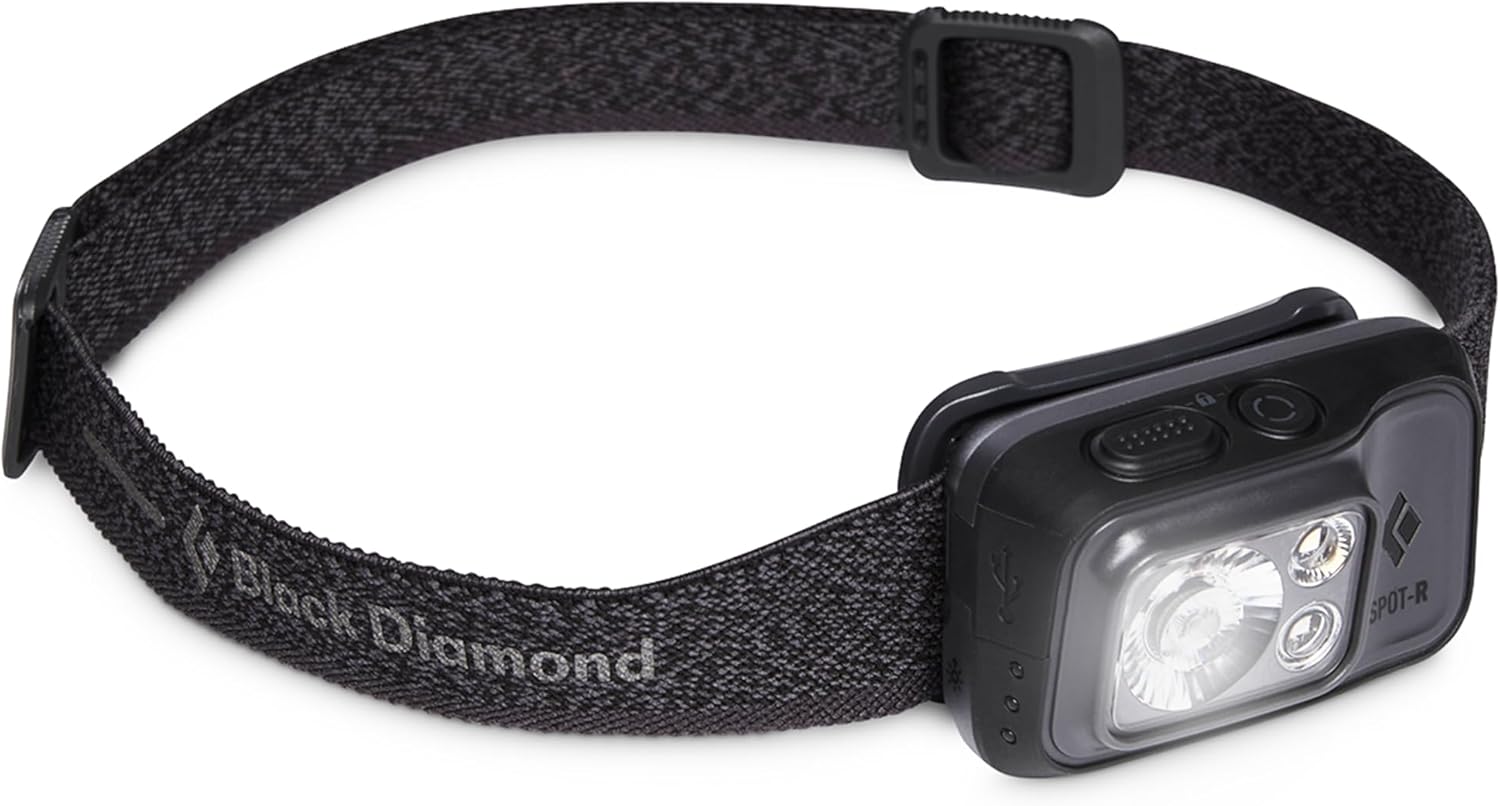
- A rechargeable or lithium headlamp, kept in your sleeping bag overnight.
Setting Up a Winter Campsite on Snow
Site choice matters even more in winter:
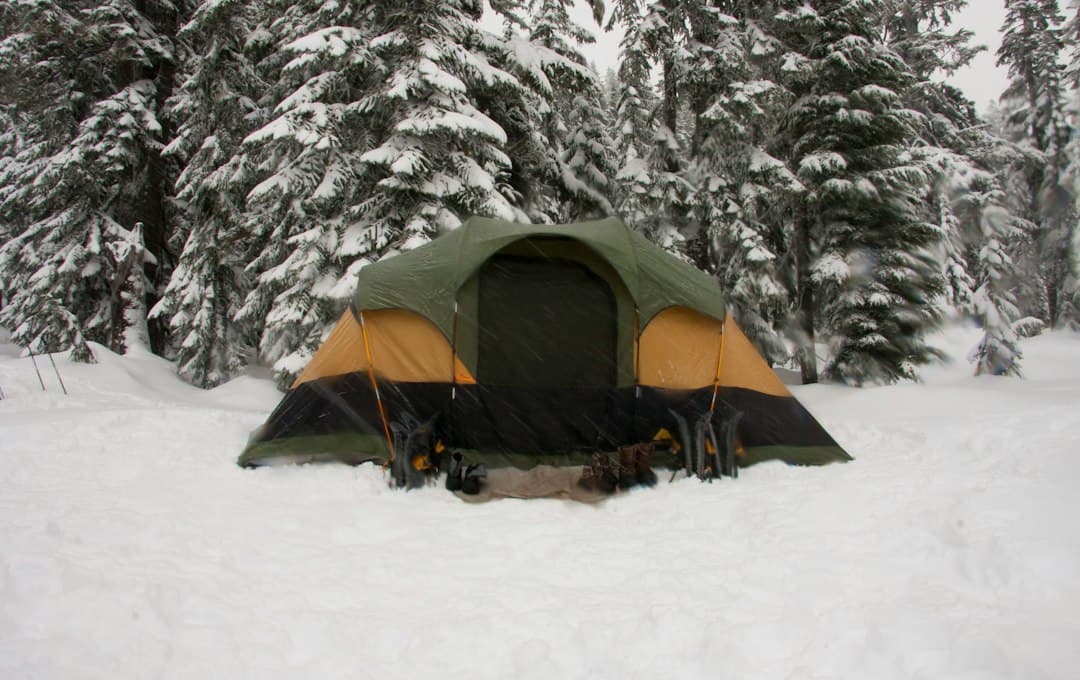
- Pick a sheltered spot. Trees or a natural rise block the wind. Avoid valley bottoms where cold air settles, and snow-loaded dead branches.
- Pack down the snow first. Stomp out a platform with boots or snowshoes and let it firm up for 20–30 minutes so it stays flat under your pad.
- Use snow stakes or deadman anchors. Regular stakes don't hold in snow. Bury stuff sacks filled with snow, or use wide snow stakes.
- Face the door away from the wind. A low snow wall on the windward side also helps.
- Vent the tent. Crack the vents even in the cold, or condensation turns to frost on your bag.
For general pitching basics, see our guide on how to set up a tent.
Hot Tents and Heater Safety
A hot tent is a fire-resistant canvas tent with a stove jack for a small wood stove. It lets you dry gear and cook in comfort, but it's heavy and takes practice, so it suits car camping or sled-hauled trips.
If you're thinking about a tent heater, keep these rules in mind:
- Never run a fuel-burning heater in a closed tent while you sleep. Carbon monoxide is odorless and kills campers every winter.
- Only use heaters rated for indoor use, with low-oxygen and tip-over shutoff, and always keep ventilation open.
- Bring a battery-powered CO detector into any tent or camper with a heat source.
- Never bring a charcoal grill or cooking stove inside to warm up.
The safest way to stay warm overnight is still a properly rated sleeping system, not a heater. See our camping safety tips for more.
Winter Car Camping and RV Camping
Winter car camping is an easy start. Fold the seats flat, add a foam pad and window covers, and crack two windows to cut condensation. Never idle the engine for heat while you sleep, especially if snow could block the tailpipe. See our car camping essentials.
Winter RV camping comes down to plumbing: use a heated hose or travel with full tanks, add tank heaters or skirting, and keep CO and LP detectors working.
Winter Camping Tips That Make the Biggest Difference
- Eat and drink constantly. Staying warm burns extra calories.
- Avoid sweating. Shed layers before you start hiking or shoveling, then add them back as soon as you stop.
- Keep electronics and fuel warm. Phones, batteries and gas canisters go in your inner pockets or sleeping bag.
- Have a bail-out plan. If you can't get warm, going home is the right call.
Recommended Gear
These picks are a solid foundation for a first winter trip:
- Teton Celsius Sleeping Bag: The 0°F version gives beginners a comfortable margin on true winter nights.
- ALPS Mountaineering Flexcore Self-Inflating Air Pad: A foam-core pad that cuts heat loss to frozen ground. Add a closed-cell pad underneath on the coldest nights.
- Black Diamond Spot 400-R Rechargeable Headlamp: Long nights mean hours of headlamp time, and this one is bright, waterproof and USB-rechargeable.
Start with a mild forecast near the car and build up from there.