
Lake George Camping: The Complete 2026 Guide
Camp on the Queen of American Lakes — the boat-access island sites, the best state campgrounds, reservations, black fly season, bear rules, and what to pack.
Use this guide for
Better camping decisions, faster trip planning, and clearer gear choices. Use this article as your starting point, then keep going with related camping guides and practical help articles below.
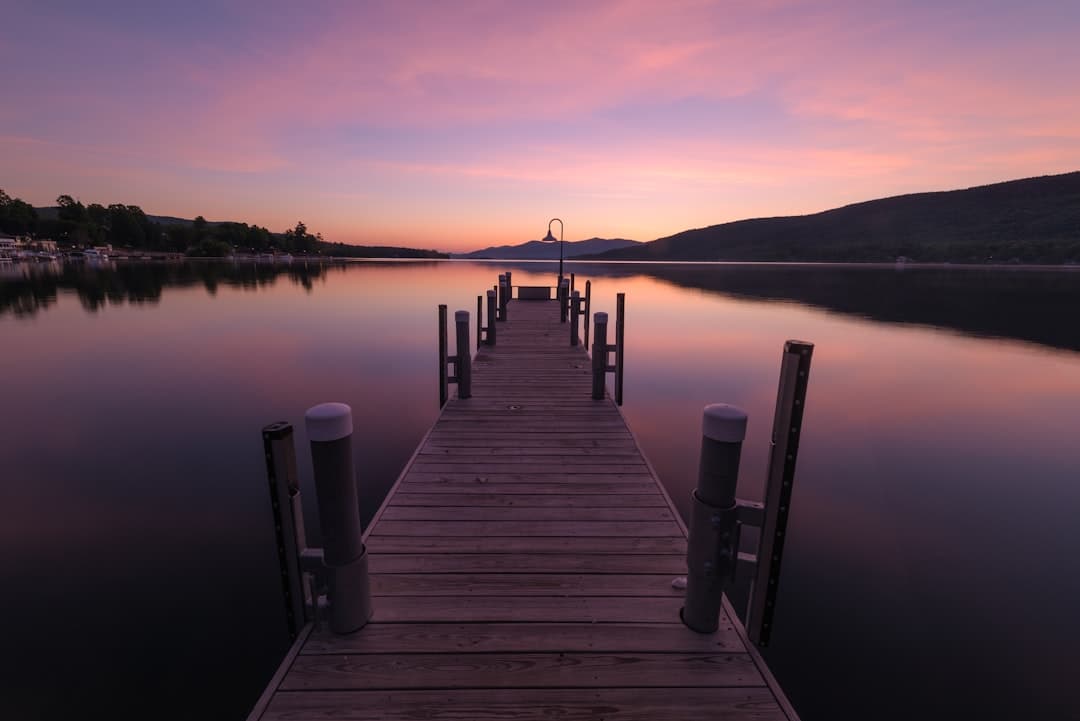
Lake George camping means pitching a tent beside 32 miles of famously clear water in the southeastern Adirondacks, roughly an hour north of Albany and three and a half from New York City. They call it the Queen of American Lakes, and it earns the name — glacier-carved, ringed by forested mountains, and dotted with hundreds of islands you can only reach by boat. This guide covers where to camp, how the island sites work, when to go, and what to pack.
Why Camp at Lake George?
Most lake camping puts you near the water. Lake George can put you on it. Alongside the mainland state campgrounds, New York maintains hundreds of campsites spread across the lake's islands — most of them boat-access only, many of them a private chunk of shoreline with your own dock and fire ring.
The lake sits inside the Adirondack Park, so the shoreline stays green in a way that a developed resort lake doesn't. The tradeoff is the Village of Lake George at the southern end: a busy strip of arcades, mini golf, and boat tours that's either a bonus with kids or the thing you drive past on your way north.
The Island Campsites (The Main Event)
The island sites are what make this lake worth the drive, and they work differently from a normal campground:

- Three island groups — Glen Island, Long Island, and Narrow Island, each with its own ranger headquarters. The Narrow Island group sits in the wilder, quieter northern narrows.
- Boat access only. You need a boat to reach your site and to leave it. If you don't own one, rentals and water-taxi drops are available out of the village and the marinas along the shore.
- Site types vary — some are true single-party islands, others are a designated site sharing a larger island. Dock space is assigned to the site.
- Amenities are thin by design. Expect a privy, a fire ring, and a picnic table. Bring your own water or a filter, and pack out your trash.
Plan your loads carefully. Every cooler, water jug, and tent goes across open water, and Lake George can build a real chop when the wind comes up the narrows in the afternoon.
Mainland Campgrounds
If you'd rather park at your site, the state campgrounds on the shore are the reliable option:
- Lake George Battleground — walking distance to the village and the Million Dollar Beach, which makes it the easiest choice for a first trip or a family that wants the town nearby.
- Hearthstone Point — a few miles up the western shore, wooded and quieter, with lake access and a shorter drive to the village.
- Rogers Rock — far north near Hague, under the big cliff that gives it its name. The most remote of the three, and the pick if you're after quiet.
Private RV parks fill in around the southern basin with hookups and pools if that's what you need.
Reservations and Timing
New York's state campgrounds and island sites book through the state reservation system, and they open on a rolling window well ahead of the season. The island sites are the hardest tickets on the lake — the good ones go the day they open for July and August weekends. Set a reminder for your window and book the moment it opens.
The season runs roughly from mid-May through Columbus Day, with the shoulder ends thinner on services. Summer is warm and busy, and it's when the lake is at its best for swimming. Early fall is the sweet spot — foliage, cold clear nights, and a lake that empties out after Labor Day. Late spring is beautiful and cheap, with one significant catch below.
What First-Time Lake George Campers Should Know
- Black fly season is real. Late May into June, the Adirondack black flies are genuinely miserable — long sleeves and head nets, not just bug spray. They fade by early July, when the mosquitoes take over at dusk.
- This is black bear country. Store food properly, never in your tent, and use the campground's storage rules — our bear-safe food storage guide covers the drill.
- Nights are cold, even in August. You're in the Adirondacks at elevation. A 85°F afternoon can drop into the 50s overnight, and it happens on the water faster than on shore.
- Swimming is allowed and it's the point. Unlike a lot of reservoir lakes, Lake George is a swimming lake and a famously clear one. Bring the suits.
- Don't move firewood. New York restricts transporting untreated firewood more than 50 miles to slow invasive pests — buy it locally.
Give our camping safety tips a read before you go, and pack out everything you bring in.
Recommended Gear for Lake George Camping
Cold nights, bugs, and — if you're on an island — no light but what you carry. These three cover it:
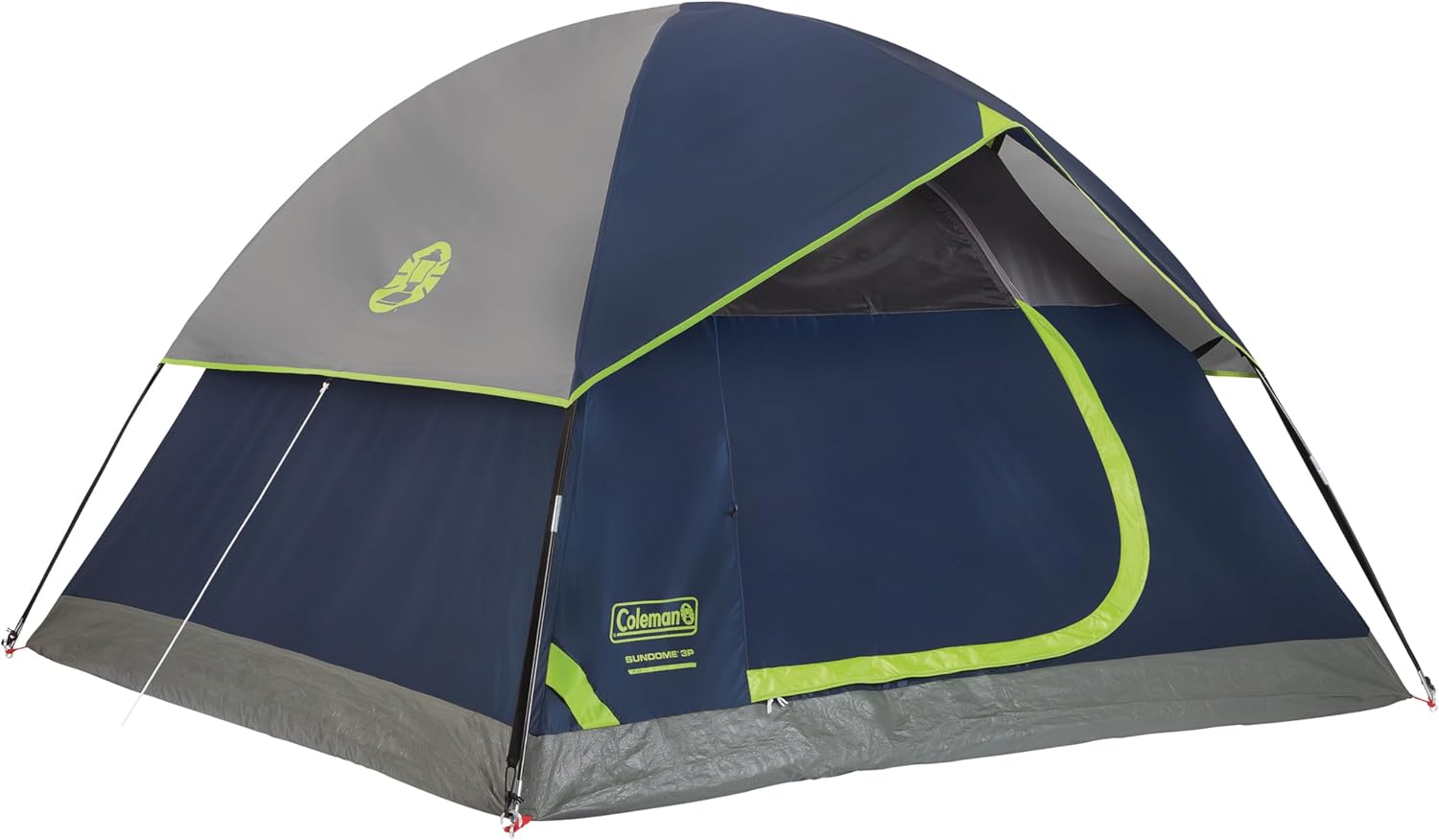
- Coleman Sundome Camping Tent — a freestanding dome that pitches in about 10 minutes, with mesh panels that move air on a humid night and keep the black flies out. New to it? Our tent setup guide gets you fast.
- Teton Celsius Sleeping Bag — the overnight drop is what people underestimate here. A bag rated to 20°F handles an Adirondack night in any month of the season.
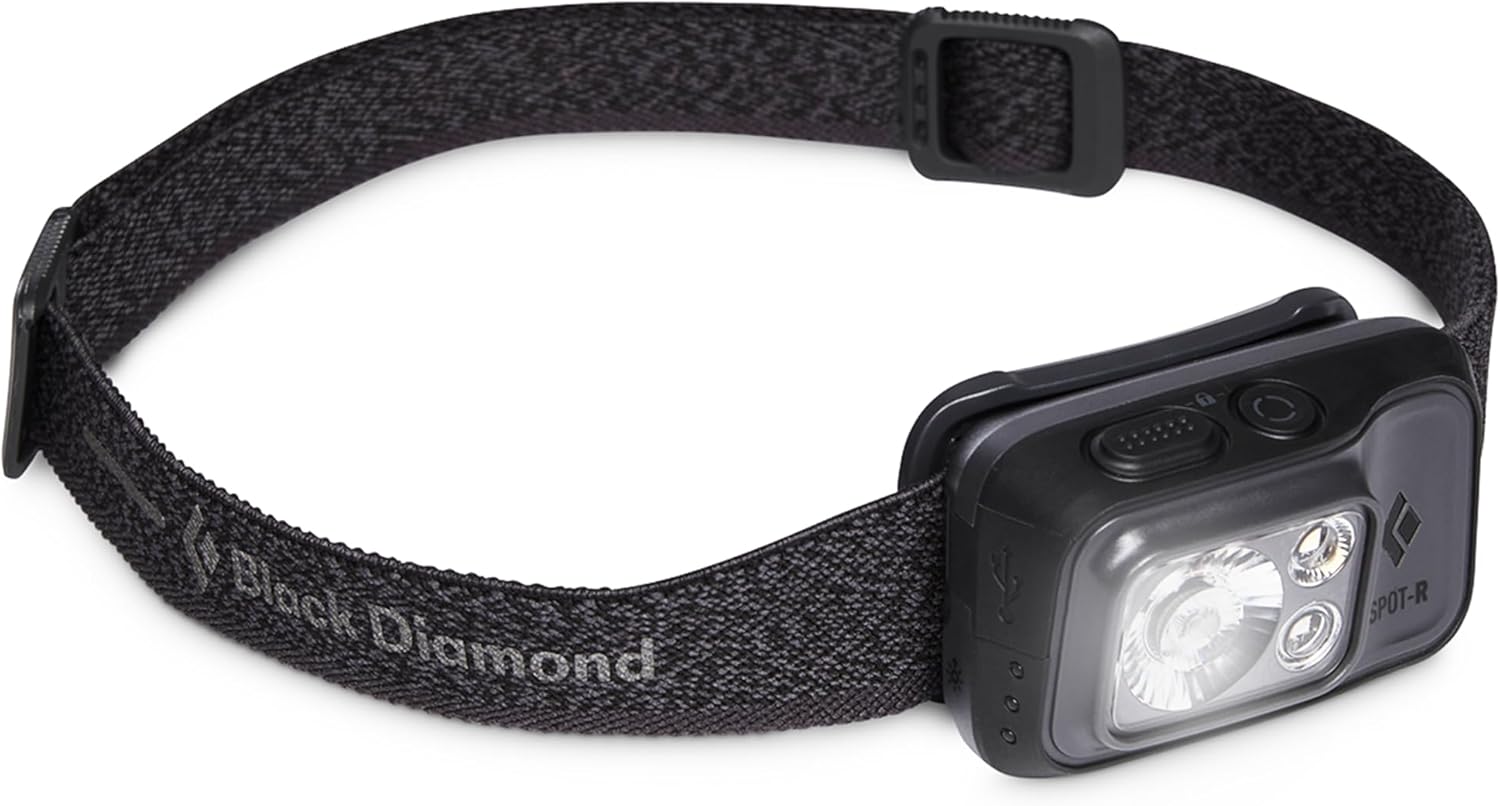
- Black Diamond Spot 400-R Rechargeable Headlamp — there's no lighting on an island site, and finding a dock, a privy, or a tent stake in the dark is a headlamp job. Rechargeable means no dead-battery scramble.
Add a sleeping pad — the shoreline sites are rock and root, and our guide on whether you need a sleeping pad makes the case — then run our camping checklist.
Final Tips
Book the island sites the hour your window opens, go in September if you can, skip late May unless you're at peace with black flies, and pack warmer than the forecast high suggests. Do that and Lake George gives you something almost nothing else in the Northeast does: your own island, your own dock, and clear water off the end of it. For another New York classic a few hours west, our Watkins Glen State Park camping guide covers the gorge.