
Indiana Dunes National Park Camping: The Complete 2026 Guide
Camping at Indiana Dunes National Park — Dunewood Campground, nearby state park sites, reservations, beaches and trails, best seasons, and what to pack.
Use this guide for
Better camping decisions, faster trip planning, and clearer gear choices. Use this article as your starting point, then keep going with related camping guides and practical help articles below.
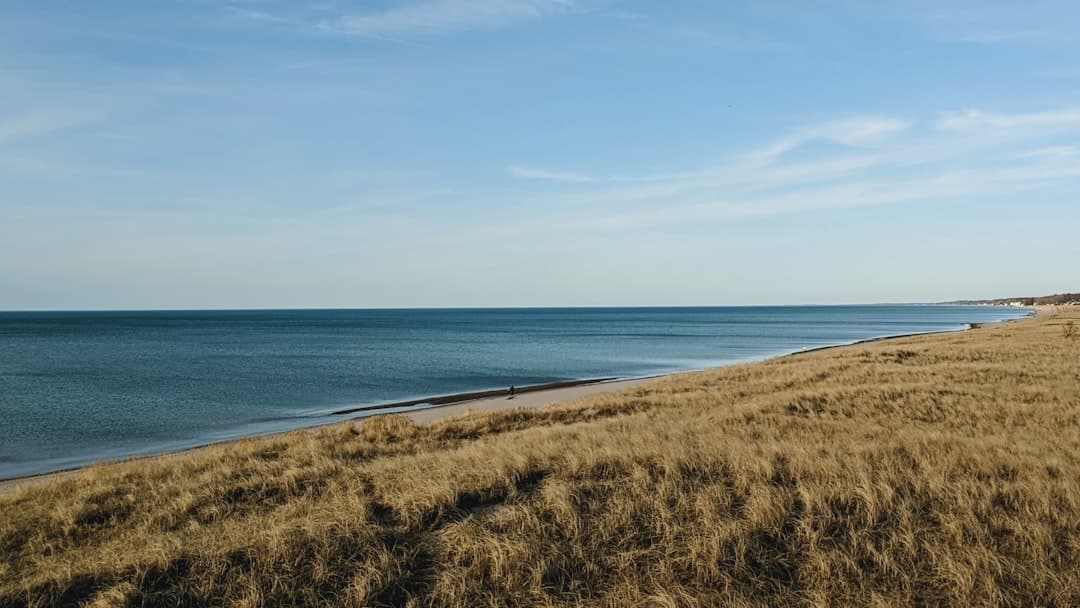
Indiana Dunes National Park camping gets you 15 miles of Lake Michigan shoreline, sand dunes tall enough to leave you winded, and one of the most biodiverse patches of ground in the National Park System — all within an hour of downtown Chicago. It became America's 61st national park in 2019, and it still surprises people: this is not a wilderness park but a ribbon of beach, dune, marsh, and forest stitched between steel mills and lakefront towns. This guide covers where to camp, how to reserve, when to go, and what to pack.
Why Camp at Indiana Dunes?
The appeal is the collision of landscapes. In a single morning you can walk from open beach, over a bare sand dune, through a black oak savanna, and into a quaking bog — habitats that normally sit hundreds of miles apart. That compression is why the park records more than 1,100 plant species and ranks near the top of the park system for biodiversity per acre.
Then there's the lake. Lake Michigan here is warm enough to swim by midsummer, with wide sand beaches and, on a clear evening, the Chicago skyline floating on the horizon 30 miles out.
Where to Camp: Dunewood Campground
Dunewood Campground is the national park's only campground — roughly 65 sites tucked into wooded dunes near Beverly Shores, on the eastern side of the park.

- Drive-in and walk-in sites — the walk-in sites are a short carry from the parking area and are usually quieter.
- No hookups. No electric, water, or sewer at any site, so RVs must be self-contained. There is a dump station and potable water on site.
- Amenities — flush toilets and hot showers, fire rings, and picnic tables.
- Season — typically open spring into late fall, closed over winter. Confirm current dates before you plan.
Its best feature is location: about a mile and a half from the beach, with a South Shore Line commuter train stop nearby — you can genuinely camp here and take the train into Chicago for the day.
Indiana Dunes State Park Camping (The Other Option)
Confusingly, there are two parks. Indiana Dunes State Park is a separate 2,182-acre park surrounded by the national park, run by Indiana DNR with its own entrance fee and a campground of about 140 sites — most with electric hookups, which Dunewood lacks.
The state park also has the famous stuff: Mount Tom, Mount Holden, and Mount Jackson, the three tallest dunes, and the brutal 3 Dune Challenge, a 1.5-mile scramble with 552 vertical feet of loose sand. Want hookups or trail access from your site? Book the state park. Want quiet woods and a cheaper night? Book Dunewood.
Reservations
Dunewood books through Recreation.gov; the state park books through Indiana DNR. Summer weekends — especially around the Fourth of July — fill months out, and both campgrounds are small. Reserve as early as your dates allow, and check whether a beach parking reservation is required for peak summer days at the busiest lots.
Beaches, Trails, and What to Do
- West Beach — the most developed beach area, with a bathhouse and the excellent Dune Succession Trail, a stair-climbing loop through the stages of dune ecology.
- Portage Lakefront and Riverwalk — a paved, accessible lakefront path with skyline views.
- Cowles Bog Trail — a strenuous 4.7-mile loop through wetland and dune; the best hike in the park for most people.
- Mount Baldy — a large migrating dune. Access is often restricted or ranger-led only, for good reason. Respect the closures.
- Chellberg Farm and the Bailly Homestead — the human history layer, easy and worth an hour.
Best Time to Go
Summer brings warm lake water and swimmable beaches, plus crowds and full campgrounds. Fall is the sweet spot — the water is still warm into September, the crowds thin, and the oak and maple color through October is excellent. Spring is birdwatching season, with heavy migration along the lakeshore, though the lake is frigid and the beaches windy. Winter closes Dunewood, but the day-use areas stay open and the ice formations along the shore are spectacular.
What First-Time Dunes Campers Should Know
- The lake makes its own weather. Wind off Lake Michigan can drop the temperature 15 degrees in an hour. Pack a windbreaker in every season.
- Rip currents are the real danger. Check the daily beach flag conditions and never swim near a pier or breakwater.
- Sand gets into everything. Bring an old towel for the tent door and a jug of water to rinse feet before turning in.
- Mosquitoes love the marshes. The wetlands that make the park biologically rich also make it buggy from late spring through summer.
- The park is not one contiguous block. It's a patchwork with towns and roads in between, so check a map before assuming two trailheads are close together.
Run through our camping safety tips before you go, and pack out everything you bring in.
Recommended Gear for Indiana Dunes Camping
Lake wind, sandy ground, and cold nights well into June are what you're packing for. These three cover the basics:
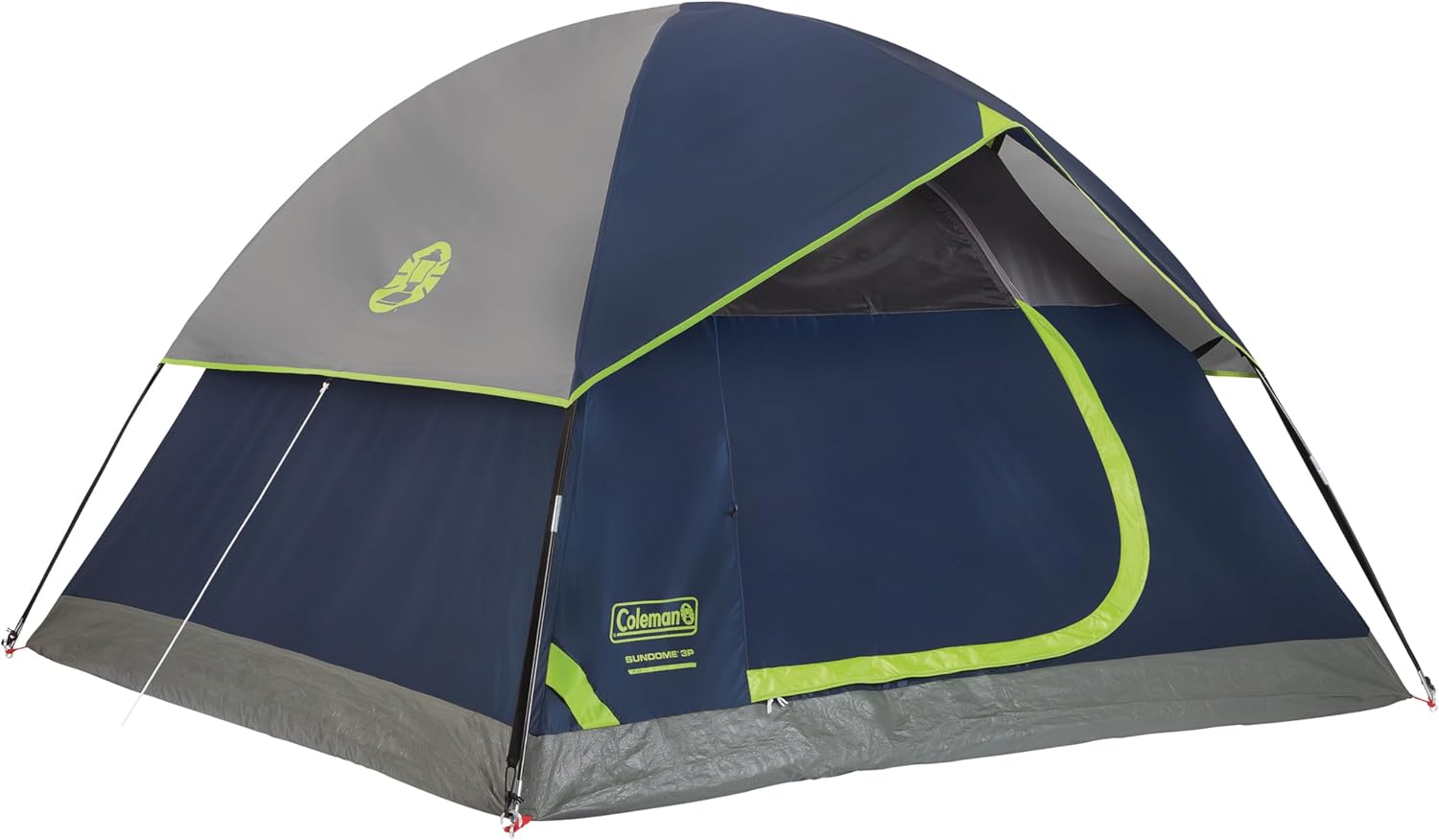
- Coleman Sundome Camping Tent — a freestanding dome that pitches fast and stakes down solid, which matters on an exposed dune site when the lake wind picks up after dark. New to it? Our tent setup guide will get you pitched quickly.
- Teton Celsius Sleeping Bag — spring and fall nights on the lakeshore run far colder than the daytime forecast suggests. A bag rated to 20°F handles that and unzips flat when it doesn't.
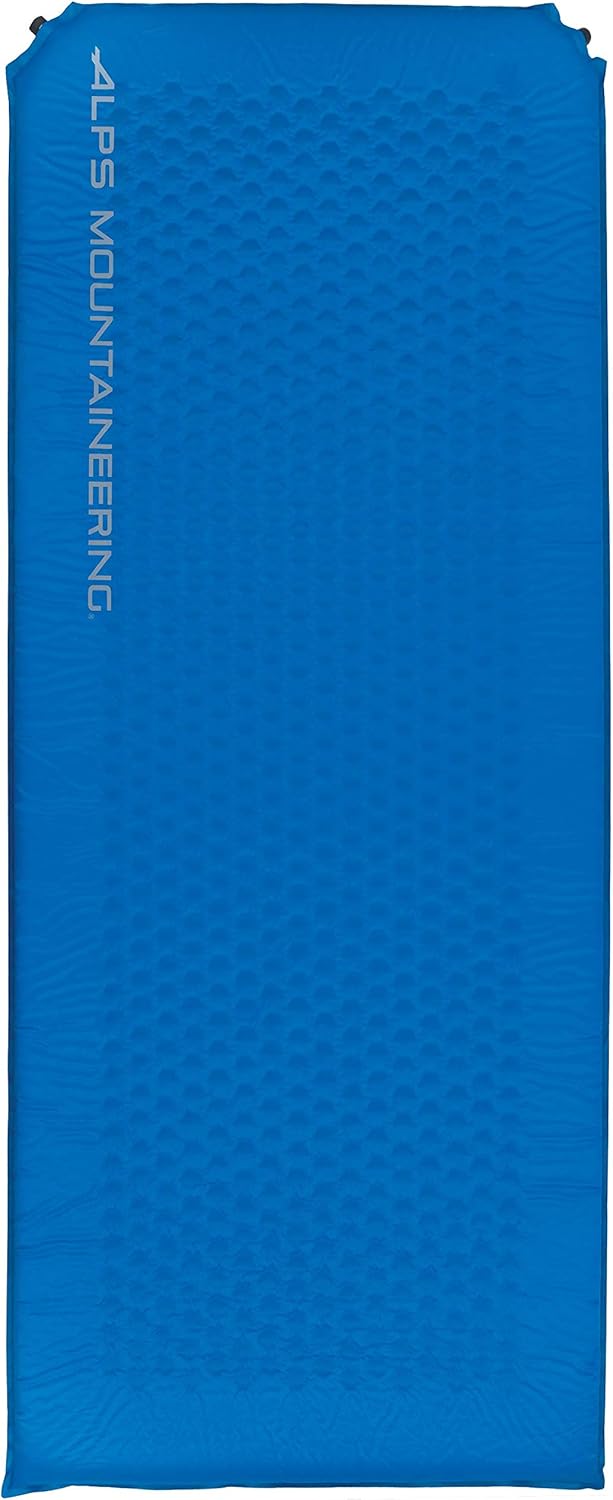
- ALPS Mountaineering Flexcore Self-Inflating Air Pad — Dunewood's wooded sites are packed sand over hard ground, and a self-inflating pad is the difference between sleeping and enduring. Our guide on whether you need a sleeping pad makes the full case.
Add a headlamp, a wind-resistant jacket, and beach towels, then work through our camping checklist before you load the car.
Final Tips
Go in September if you can, book Dunewood for quiet or the state park for hookups, and give yourself two days — one for the beach and one for Cowles Bog and the 3 Dune Challenge. Few national parks are this easy to reach or this strange in the best way: skyline on one horizon, bog orchids at your feet. For another Great Lakes trip in the same style, our Michigan camping guide picks up where this one leaves off.