
Camping With Dogs: The Complete Guide to a Safe, Fun Trip
Everything you need to know about camping with dogs — gear, safety, trail etiquette, and tips to keep your pup happy at the campsite.
Use this guide for
Better camping decisions, faster trip planning, and clearer gear choices. Use this article as your starting point, then keep going with related camping guides and practical help articles below.
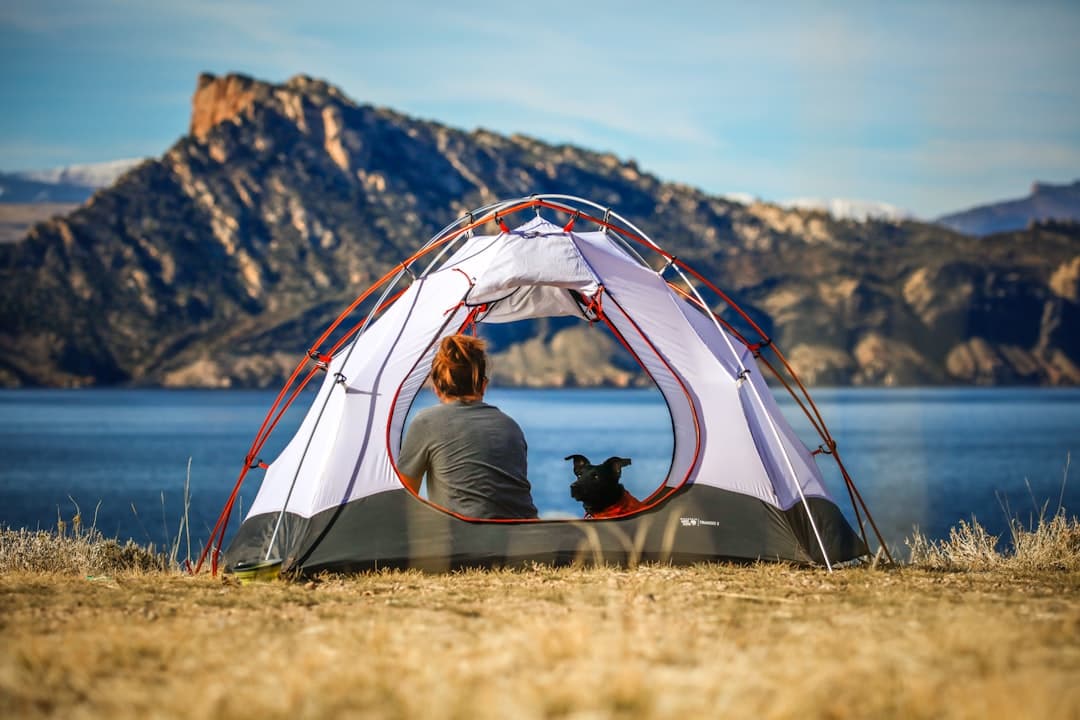
Camping with dogs is one of the most rewarding outdoor experiences you can have — but it takes a little extra planning to make sure both you and your pup have a great time. Whether it's your dog's first trip or you're a seasoned trail duo, this guide covers everything from gear and safety to campsite etiquette.
Why Dogs Make Great Camping Companions
Dogs are built for the outdoors. They thrive on new smells, wide-open spaces, and the chance to explore alongside their person. For your dog, a camping trip means off-leash time (where allowed), interesting wildlife scents, and the novelty of sleeping somewhere new. For you, it means always having a warm, enthusiastic hiking partner.
That said, a great trip starts with preparation. The right gear and a few key rules go a long way.
Before You Go: Planning a Dog-Friendly Trip
Check Pet Policies First

Not all campgrounds allow dogs, and those that do often have rules about leash length, designated pet areas, and off-leash zones. Always confirm pet policies before booking. National parks, for example, generally restrict dogs from trails, so national forests and state parks often make better choices.
Make Sure Your Dog Is Ready
Before a multi-day trip, your dog should be:

- Comfortable with car rides (if you're driving to camp)
- Up to date on vaccinations and flea/tick prevention
- Microchipped and wearing an ID tag
- Conditioned to longer walks if you're planning big hike days
If your dog hasn't spent a night away from home, consider a short backyard or car camping trial run first.
Pack a Dog-Specific Kit
Beyond your own gear, your dog needs their own kit:
- Food and water: Pack more than you think you'll need, plus a collapsible bowl
- Leash and collar: Bring a spare in case one gets lost or damaged
- Dog first aid: Include antiseptic wipes, gauze, and tweezers for ticks
- Waste bags: Leave No Trace applies to your dog too — always pack out waste
- Dog bed or sleeping mat: Even a folded blanket helps your dog feel at home
Gear That Makes Camping With Dogs Easier
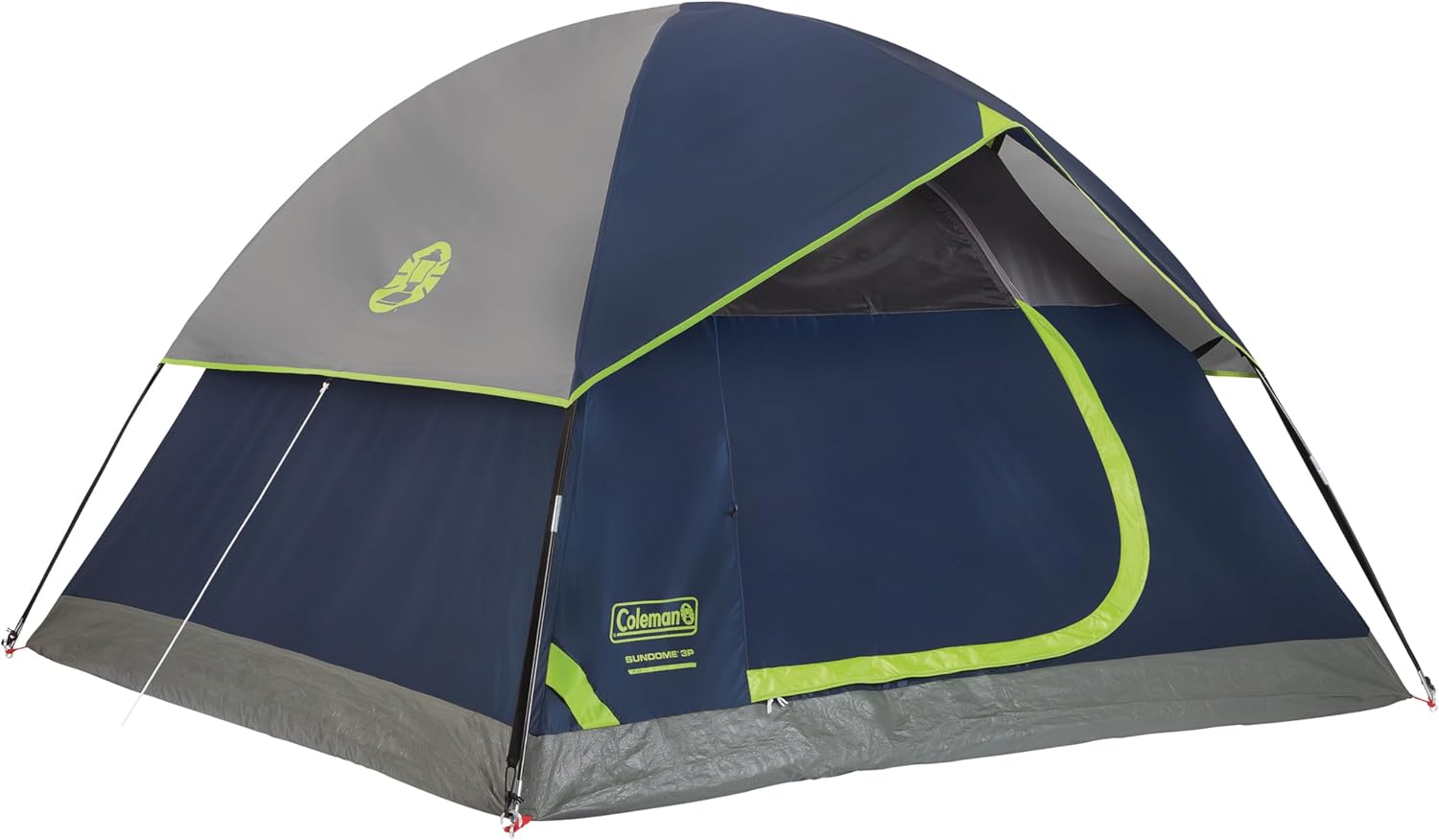
A spacious tent is one of the most important pieces of gear when you have a dog along. You'll want enough room for your dog to stretch out without sleeping on top of you all night.
The Coleman Sundome Camping Tent is a solid choice for dog-camping families. It sets up in under 10 minutes and comes in sizes from 2-person up to 6-person — giving you and your pup plenty of room. The weatherproof rainfly handles unexpected rain so your dog doesn't end up soaked.
Nights can get cold even in summer at higher elevations, and dogs don't always generate enough body heat to keep you warm. A quality sleeping bag rated for cooler temps helps.
The Teton Celsius Sleeping Bag comes in 0°F, 20°F, and 25°F ratings, so you can pick the right warmth level for your destination. It packs into an included travel sack and is available in sizes for adults and kids.
Don't forget a comfortable camp chair for the moments when you're just hanging out at the site while your dog naps or explores nearby.
The Helinox Chair One is a top pick for camping chairs — it's ultralight, collapses to the size of a water bottle, and holds up to 320 lbs. Perfect for sitting by the fire while your dog relaxes at your feet.
On the Trail: Tips for Hiking With Dogs
- Keep your dog leashed on shared trails unless signs specifically indicate off-leash is permitted
- Bring water for your dog — stream water can carry giardia, which affects dogs too
- Watch for signs of overheating: excessive panting, drooling, or slowing down mean it's time to rest
- Check paws regularly for cuts, burrs, or cracked pads — rocky terrain is tough on dogs without booties
- Yield to other hikers with dogs by stepping aside and sitting your dog to let them pass calmly
At the Campsite: Keeping Your Dog Safe
Once you've set up camp, a few simple habits keep things running smoothly:
- Use a camp tie-out or long line so your dog can roam without straying into neighboring sites
- Never leave your dog unattended in a tent or tied out — wildlife can spook dogs, and your dog can spook other campers
- Keep food secured in a bear box or hang bag — both for bear safety and to prevent your dog from getting into food they shouldn't
- Watch for wildlife: snakes, porcupines, and skunks are genuine hazards for curious dogs
- Bring a towel — muddy paws in the tent at 11 p.m. is a real experience
Leave No Trace With Your Dog
Responsible dog camping means following Leave No Trace principles:
- Always bag and pack out dog waste — burying it isn't sufficient in high-use areas
- Keep your dog out of water sources where others may be collecting drinking water
- Respect quiet hours — a dog that barks all night isn't popular with neighboring campers
- Stick to designated trails to protect sensitive vegetation
Final Thoughts
Camping with dogs rewards the effort you put into preparation. With the right gear, a dog-friendly destination, and a few good habits, you'll end up with memories that are hard to match. Your dog won't know what "vacation" means — but they'll definitely know this was the best week of their life.