
Camping Tips for Beginners: Everything You Need for Your First Trip
New to camping? Learn the essential camping tips for beginners covering gear, campsite setup, food, safety, and leave no trace principles.
Use this guide for
Better camping decisions, faster trip planning, and clearer gear choices. Use this article as your starting point, then keep going with related camping guides and practical help articles below.
Heading into the outdoors for the first time can feel overwhelming. Between choosing the right gear, picking a campsite, and figuring out how to cook over a fire, there's a lot to learn. These camping tips for beginners break it all down so you can focus on having fun — not stressing out.
Start With a Car Camping Trip
Your first camping trip should be a car camping trip, not a backpacking expedition. Car camping means you drive right up to your campsite, so you can bring as much gear as you need without worrying about weight. This lets you dial in what you actually use before you think about going ultralight.
Look for a developed campground with amenities like restrooms and potable water. Sites at state parks or national forest campgrounds are great for beginners — they're well-maintained and rangers are usually nearby if you need help.
The Four Pieces of Gear That Actually Matter
You can rent or borrow most camping gear, but four items will make or break your experience:

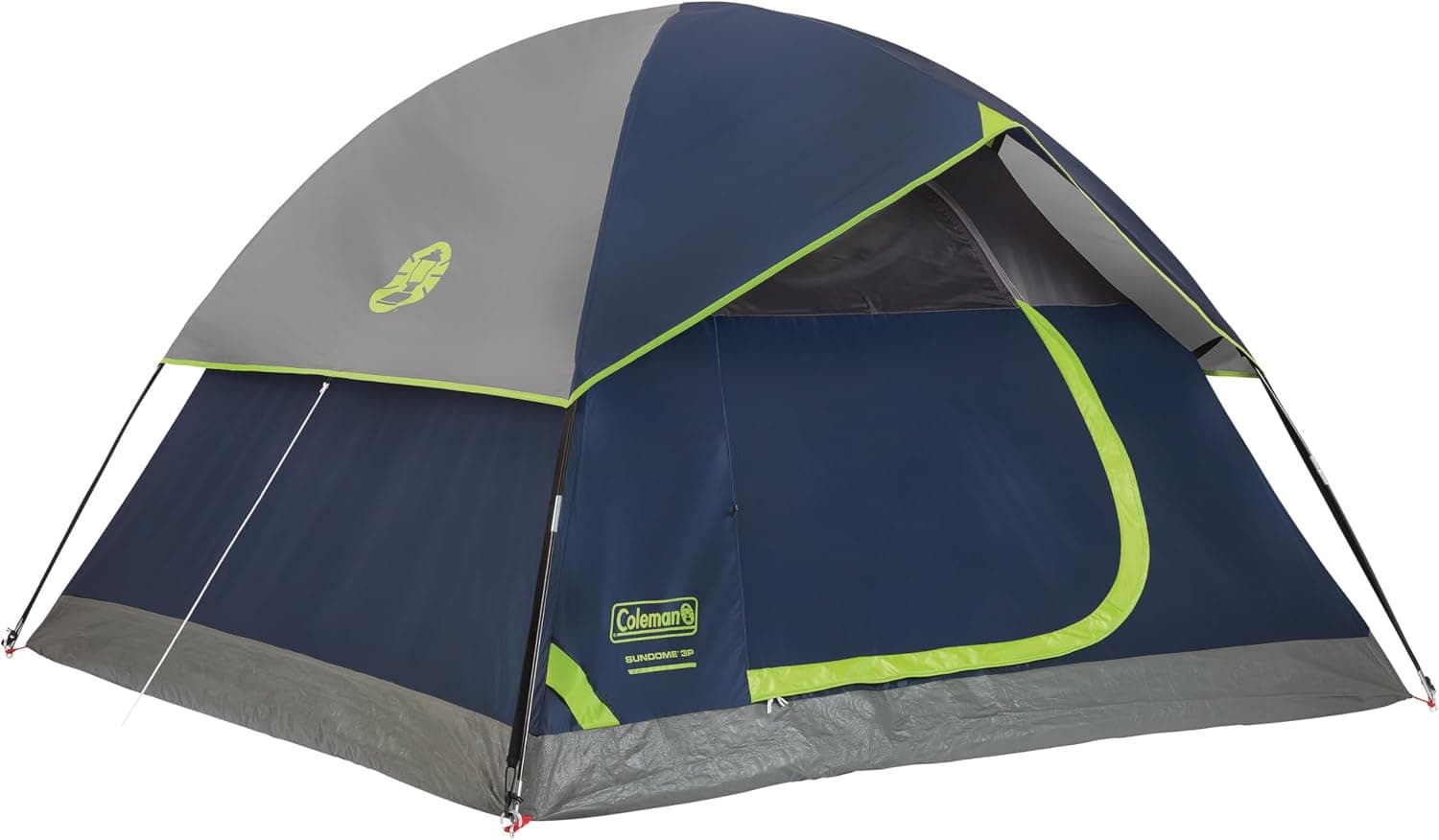
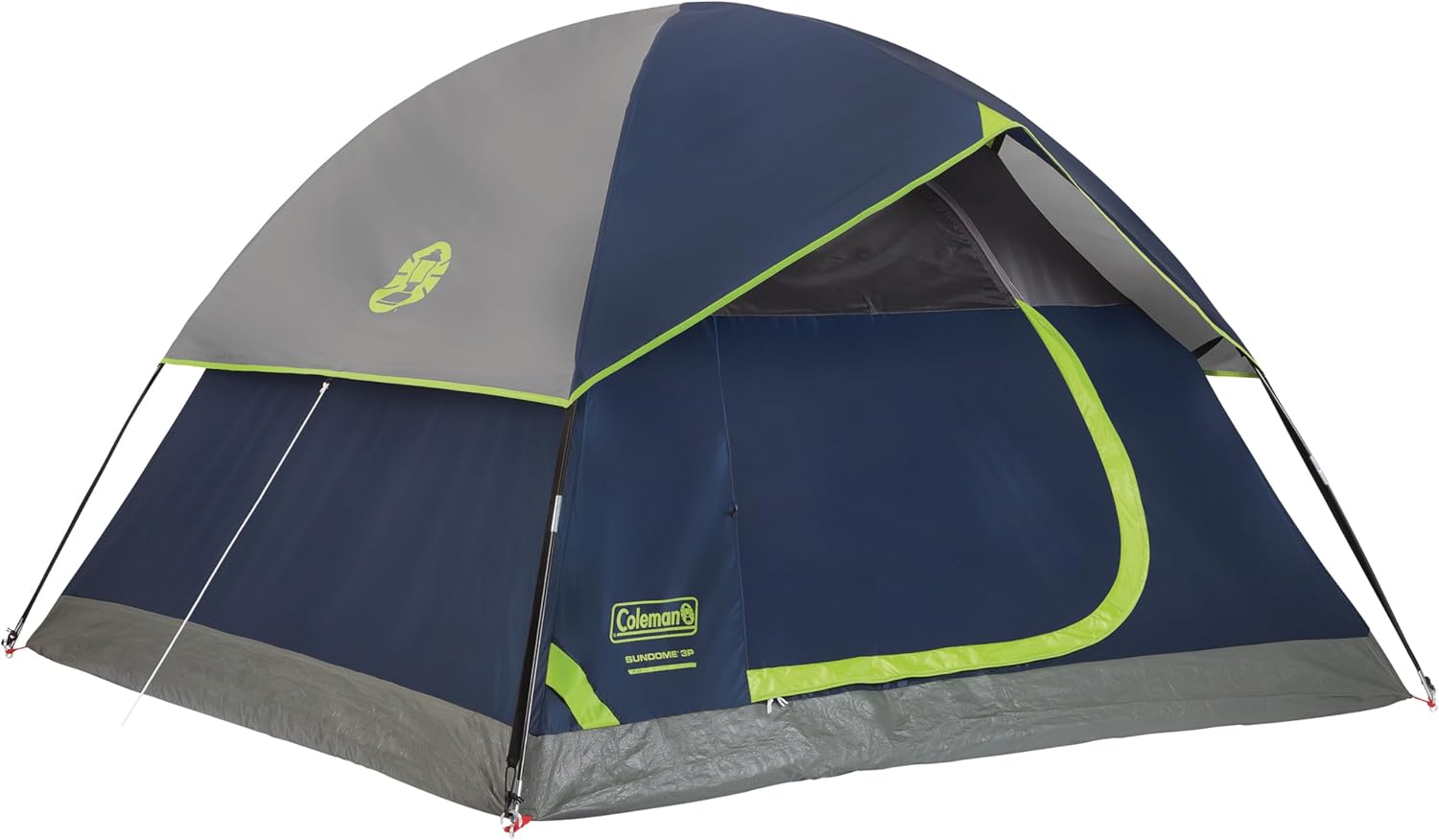
- A tent that fits your group — Don't cheap out on shelter. A tent rated for two people is genuinely tight for two adults; size up if you can.
- A sleeping bag rated for the temperatures you'll face — Being cold at night is miserable. Check the overnight lows for your destination and pick a bag rated 10°F below that to be safe.
- A sleeping pad — This is what most beginners forget. Sleeping pads insulate you from the cold ground and cushion your sleep. An inflatable or self-inflating pad is far more comfortable than a basic foam pad.
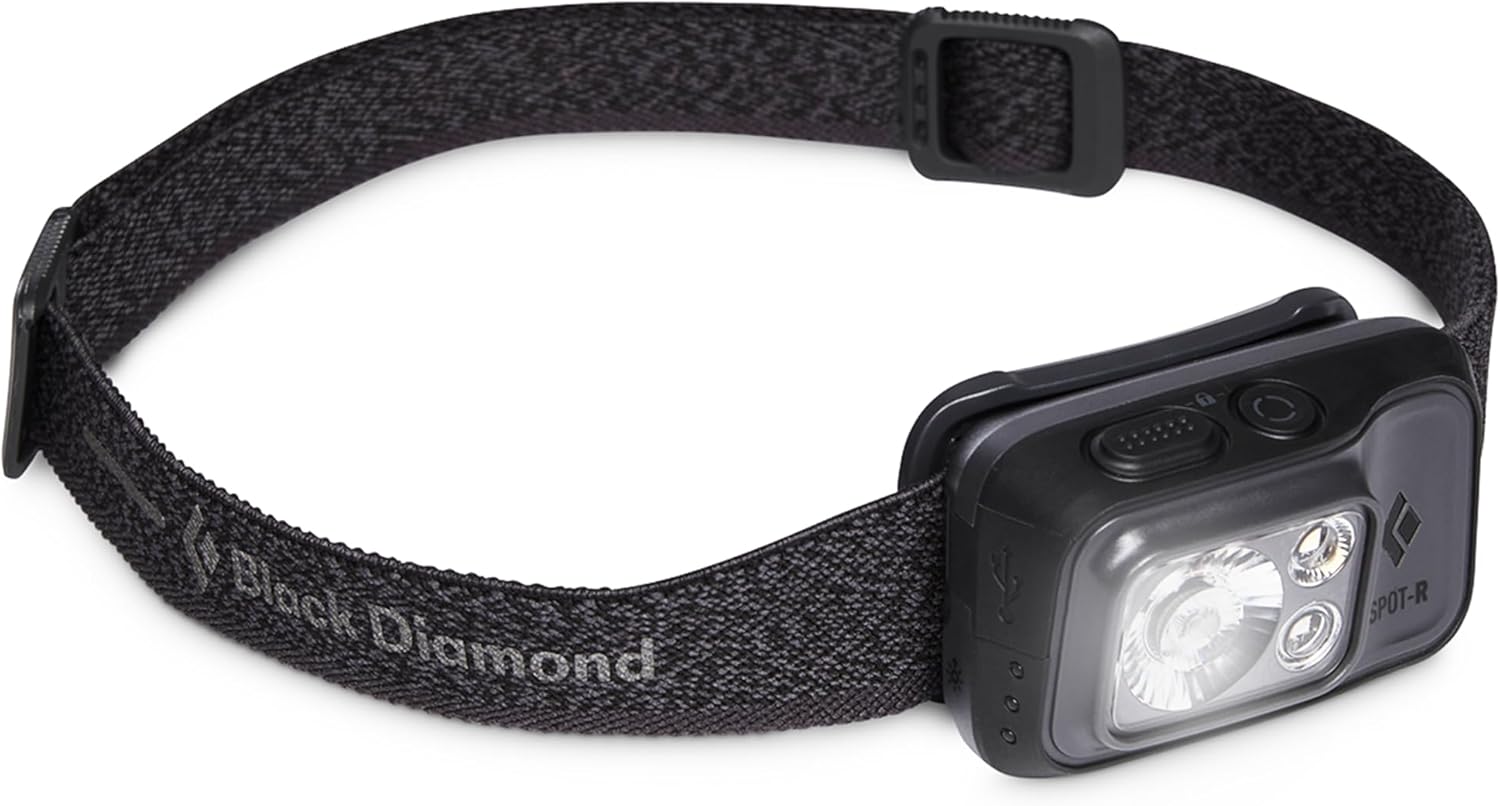
- A headlamp — Trying to navigate a dark campground with only your phone flashlight is frustrating. A real headlamp with hands-free use is a game-changer.
Set Up Camp Before Dark
Rookie mistake #1: arriving at your campsite at sunset. Pitching a tent in the dark — especially for the first time — is a frustrating way to start a trip. Aim to arrive at least two hours before sunset.
Before you leave home, practice setting up your tent in the backyard. Most modern tents take 10–15 minutes once you know what you're doing, but the first setup always takes longer.
Campsite Setup Tips
When you pick your tent location:
- Look up for dead branches ("widow makers") that could fall in wind
- Clear away rocks and roots from the ground where you'll sleep
- Position the tent door away from the prevailing wind direction
- Keep your tent a reasonable distance from your cooking area to minimize food smells near where you sleep
Camping Food for Beginners
You don't need to be a gourmet camp chef. Simple meals work great:
- Breakfast: instant oatmeal, eggs cooked on a camp stove, or granola bars
- Lunch: sandwiches, wraps, or trail mix while hiking
- Dinner: foil packet meals, pasta, hot dogs over the fire, or canned chili
Store all food in a bear box or hard-sided cooler — even in areas without bears, raccoons and other wildlife will raid your camp if given the chance. Never leave food in your tent.
Safety Basics Every Beginner Should Know
Tell someone your plans. Before you leave, tell a trusted person where you're going, which campground you're staying at, and when you expect to be back. If something goes wrong, someone will know where to look.
Learn to read weather. Check the forecast repeatedly in the days leading up to your trip. Mountain and forest weather can change fast. Know what a thunderstorm looks like building on the horizon.
Build a fire safely. Keep your fire small and never leave it unattended. When you're done, douse it completely with water — the coals should be cool enough to touch before you walk away.
Pack a basic first aid kit with blister care, antiseptic wipes, pain reliever, and any personal medications.
Leave No Trace Principles
Even on your first trip, practice Leave No Trace:
- Pack out everything you pack in — including food scraps
- Stay on established trails and don't shortcut through vegetation
- Use designated fire rings; don't build new ones
- Leave natural objects like rocks, flowers, and artifacts where you found them
Following these principles means the same beautiful places will be there for the next camper — and for you on your next trip.
Recommended Gear for First-Time Campers
These products make a strong starter kit for any beginner heading out for their first few nights under the stars.
Final Thoughts
The best camping tip for beginners is simple: just go. Your first trip won't be perfect — you'll forget something, something won't work as expected, and you'll be surprised by how much you enjoy the things you worried about most. Each trip teaches you something, and within a few outings you'll feel completely at home in the outdoors.