
Camping Sleeping Bag Guide: How to Choose the Right One for Any Season
Not all camping sleeping bags are created equal. Learn how to pick the right temperature rating, fill type, and shape for your next outdoor adventure.
Use this guide for
Better camping decisions, faster trip planning, and clearer gear choices. Use this article as your starting point, then keep going with related camping guides and practical help articles below.
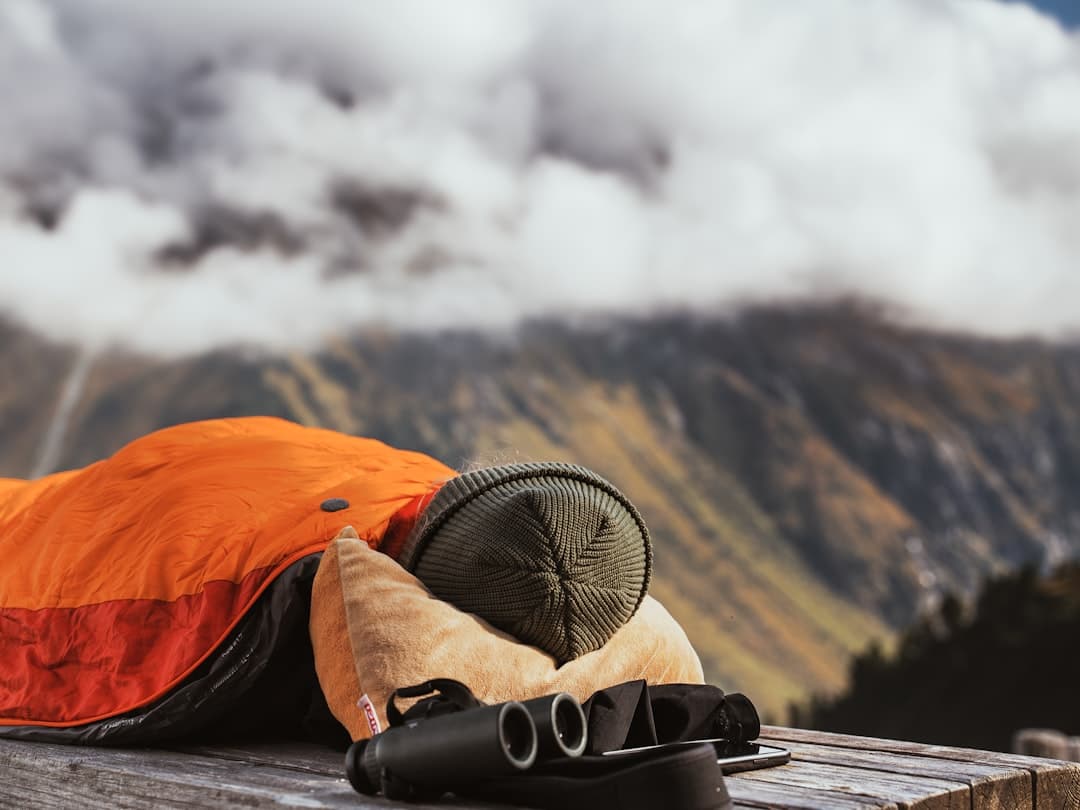
A good night's sleep in the outdoors starts with the right camping sleeping bag. Pick the wrong one and you'll spend the night shivering — or sweating through a bag that's overkill for warm summer nights. This guide breaks down everything you need to know to choose a sleeping bag that matches your camping style and the conditions you'll face.
Why Your Sleeping Bag Choice Matters
Your sleeping bag is one of the most critical pieces of gear you'll carry. Unlike a tent that can be supplemented with extra layers, a sleeping bag that's too cold simply can't be fixed once you're in the backcountry. Getting this decision right before you leave home keeps you warm, well-rested, and safe.

Temperature Ratings Explained
Every camping sleeping bag is rated to a minimum temperature — the coldest point at which an average sleeper should remain comfortable. Here's a quick breakdown:
- Summer bags (35°F and above): Lightweight and packable, ideal for warm-weather car camping and backpacking
- 3-season bags (20°F–35°F): The most versatile choice for spring, summer, and fall camping across most of the US
- Winter/cold-weather bags (0°F–20°F): Heavy-duty insulation for alpine camping, winter trips, and shoulder-season high-altitude adventures
- Extreme bags (below 0°F): Designed for mountaineering and expedition use
A practical rule: choose a bag rated 10°F colder than the lowest temperature you expect to encounter. Cold sleepers should go even lower.
Sleeping Bag Fill Types
Down Fill
Down sleeping bags offer the best warmth-to-weight ratio and compress tightly into a stuff sack. Look for fill power ratings between 600 and 900+ — higher numbers mean lighter and more compressible insulation. The trade-off: down loses most of its insulating properties when wet, though hydrophobic down treatments have narrowed that gap.
Synthetic Fill
Synthetic bags retain warmth when damp, dry faster, and are easier to care for. They're generally heavier and bulkier than comparable down options but cost less. For car camping, rainy climates, or anyone on a budget, synthetic fill is often the smarter choice.
Sleeping Bag Shapes
Mummy bags are tapered from shoulders to feet and include a hood. They're the warmest option because there's less dead air space to heat up. Most serious campers and backpackers default to mummy style for three-season and winter use.
Rectangular bags offer more room to move and are easier to share or use as a quilt. They're best for car camping where pack size isn't a concern and temperatures are mild.
Semi-rectangular (barrel) bags split the difference — more foot room than a mummy but better warmth than a rectangle.
What to Look for Beyond Temperature Rating
- Zipper placement: Left or right zipper matters if you're pairing two bags together; most bags unzip on one side
- Draft collars and hoods: Cinchable hoods and internal draft collars seal heat inside on cold nights
- Loft: The fluffier the bag looks uncompressed, the warmer it will sleep
- Weight vs. pack size: Backpackers should prioritize compressed volume; car campers can relax on both
Completing Your Sleep System
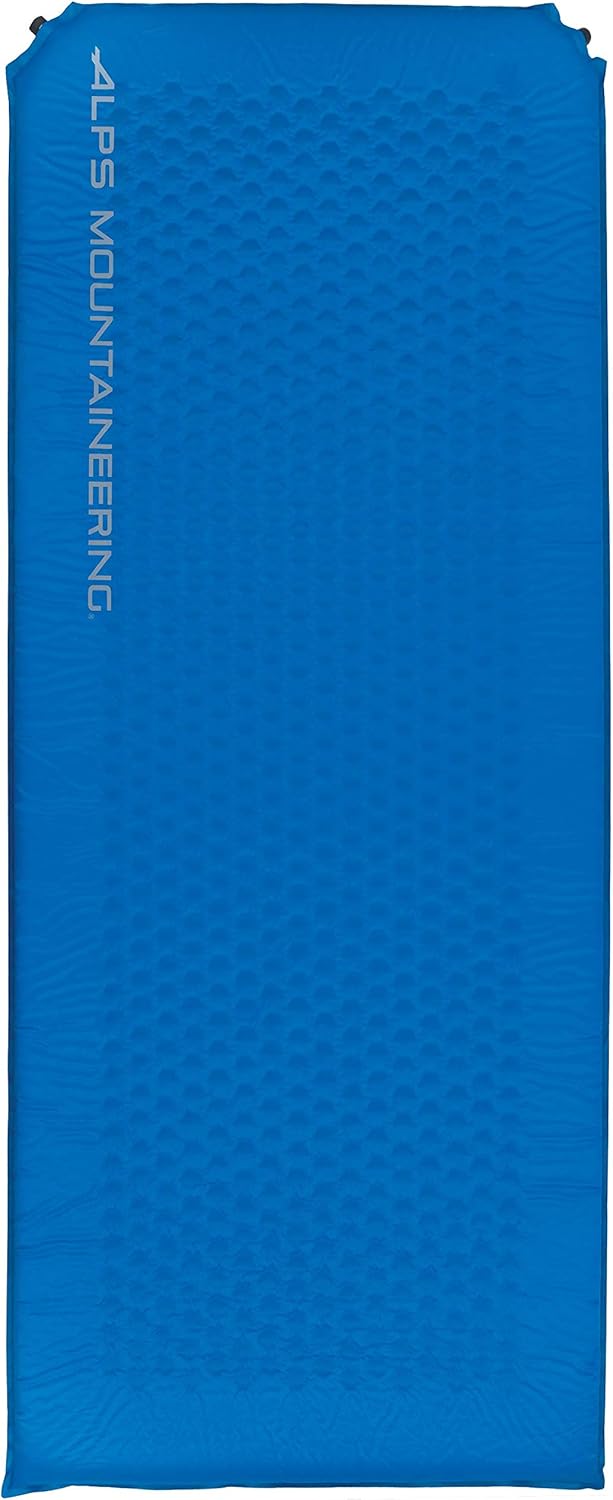
A sleeping bag alone isn't a sleep system. The ground conducts cold far more effectively than air, so an insulated sleeping pad is essential — even in summer. Pairing a quality bag with a high-R-value pad makes the whole system dramatically warmer.
Our Recommended Sleeping Bag and Sleep System Gear
For most three-season campers, the Teton Celsius Sleeping Bag hits a great balance of warmth, weight, and price. Available in 25°F, 20°F, and 0°F ratings for both adults and kids, it comes with a travel sack and handles everything from summer nights to early-season shoulder trips.
Pair it with the ALPS Mountaineering Flexcore Self-Inflating Air Pad for insulated ground comfort. The self-inflating foam design is simpler than air pads that need a pump, and the insulation keeps cold ground from stealing your warmth overnight.
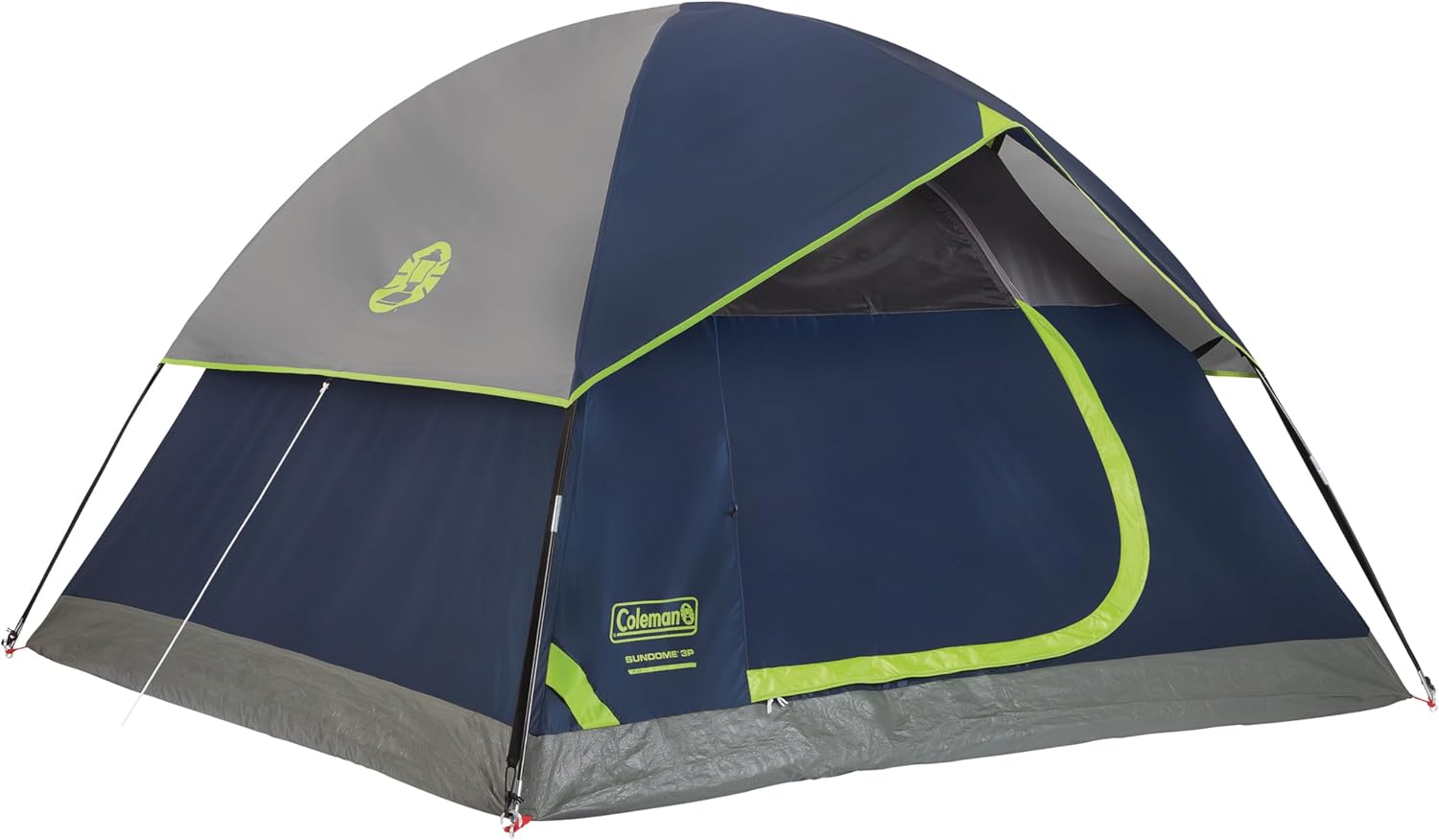
If you're still dialing in your full campsite setup, the Coleman Sundome Camping Tent sets up in 10 minutes and pairs well with a quality sleeping bag to create a complete, weatherproof sleep system.
Quick Buying Checklist
Before purchasing a camping sleeping bag, run through these questions:
- What's the coldest temperature you'll realistically camp in?
- Are you backpacking (weight matters) or car camping (comfort matters)?
- Do you tend to sleep cold or hot?
- Will you be camping in wet conditions where synthetic might outperform down?
- Do you need a kids' size or adult size?
Answering these before you shop will narrow your options quickly and help you avoid an expensive mistake.
Final Thoughts
The right camping sleeping bag will last a decade or more with proper care. Store it uncompressed in a large cotton sack between trips to preserve loft, and air it out after each use. Invest in the right temperature rating upfront — it's much cheaper than a sleepless night in the cold wondering why you bought the summer bag for a September trip into the mountains.