
Best Campground Website Design: Build a Professional Site for Your Campground in 2026
Learn what makes a great campground website design — from booking tools to mobile layout — so you can attract more campers and fill your sites year-round.
Use this guide for
Better camping decisions, faster trip planning, and clearer gear choices. Use this article as your starting point, then keep going with related camping guides and practical help articles below.
Your campground's website is the first thing potential guests see — and in most cases, it's where they decide whether to book or keep scrolling. Great campground website design isn't just about looking polished; it's about turning curious visitors into confirmed reservations as quickly as possible.
Whether you're starting from scratch or updating an outdated site, this guide covers the elements that matter most.
Why Campground Website Design Matters
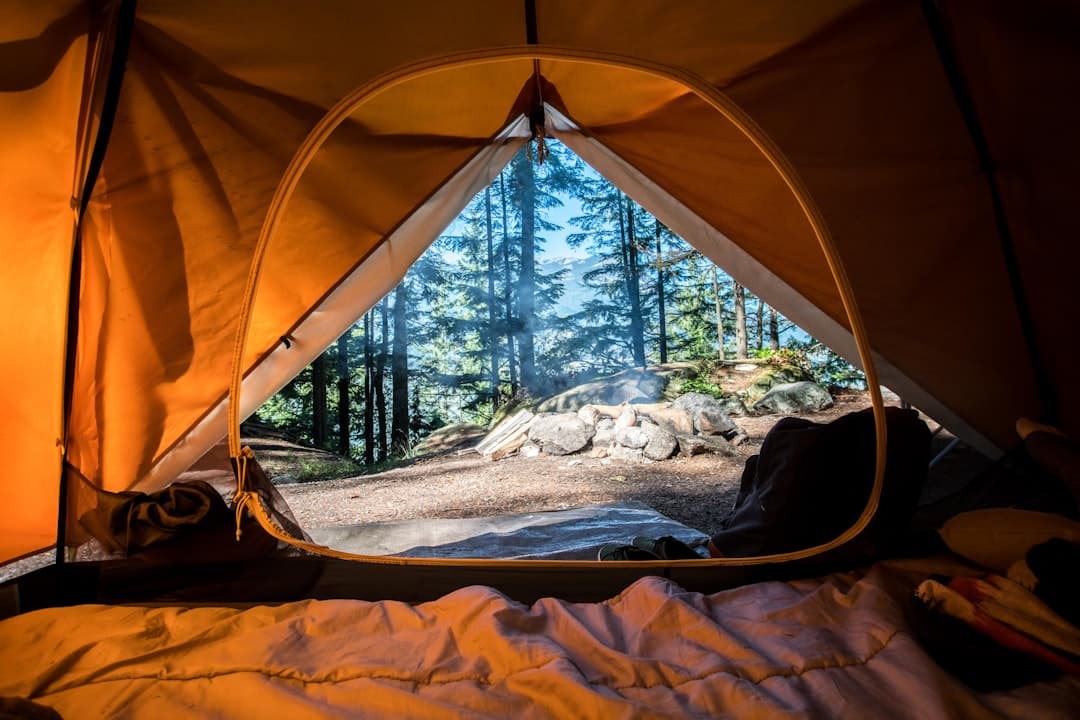
Campers today do their research online. They compare photos, read reviews, check availability, and expect to book without picking up a phone. A slow, confusing, or outdated website pushes them toward your competitors before they've even seen your campground in person.
Good campground website design directly impacts:
- Occupancy rates — easier booking means more bookings
- Guest expectations — accurate photos and clear info prevent bad reviews
- Search visibility — well-structured sites rank higher on Google
- Trust — a professional site signals a well-run campground

Must-Have Pages for Any Campground Website
Every campground site needs a few core pages that answer the questions guests always ask:
- Home page — a strong hero image, your best amenities, and a clear "Book Now" button above the fold
- Sites & rates page — detailed descriptions of each site type (full hookup, tent, glamping, etc.) with pricing
- Amenities page — bathrooms, showers, pools, fire pits, pet policies, WiFi — the details campers care about
- Local area page — nearby hiking trails, lakes, towns, and attractions that make your campground worth the drive
- Contact & directions page — address, phone, email, and an embedded map; many campers are in an area they don't know
- Photo gallery — real, recent photos of your sites, facilities, and surroundings

Design Elements That Convert Visitors into Guests
1. Mobile-First Layout
Over 60% of travel searches happen on mobile devices. Your campground site must look and function perfectly on a phone screen. This means large tap targets, fast load times, and booking forms that don't require a desktop to complete.
2. Online Booking Integration
A "Book Now" button that leads to a real-time reservation system is non-negotiable. Whether you use a campground management platform or a third-party booking tool, the process should take less than five minutes. The longer the booking process, the more drop-off you'll see.
3. High-Quality Photography
Blurry, outdated photos kill conversions. Invest in a few hours with a photographer — or learn to take landscape shots yourself — and showcase your campground in the best light. Show sites, facilities, sunsets, and families enjoying the space.
4. Clear Pricing and Availability
Don't make guests hunt for rates. Display them prominently, include any seasonal differences, and indicate what's included (electric, water, dump station access). Hidden fees discovered at check-in generate bad reviews.
5. Fast Load Speed
Google penalizes slow websites in search rankings, and campers don't wait around for pages to load. Compress your images, use a reliable host, and avoid heavy plugins that slow things down.
Recommending Gear on Your Campground Website
Many campground owners add a "Gear" or "What to Bring" page that helps first-time campers arrive prepared. This reduces calls and complaints while building trust — and it gives you an opportunity to recommend affiliate products you believe in.
A few essentials worth featuring for your guests:
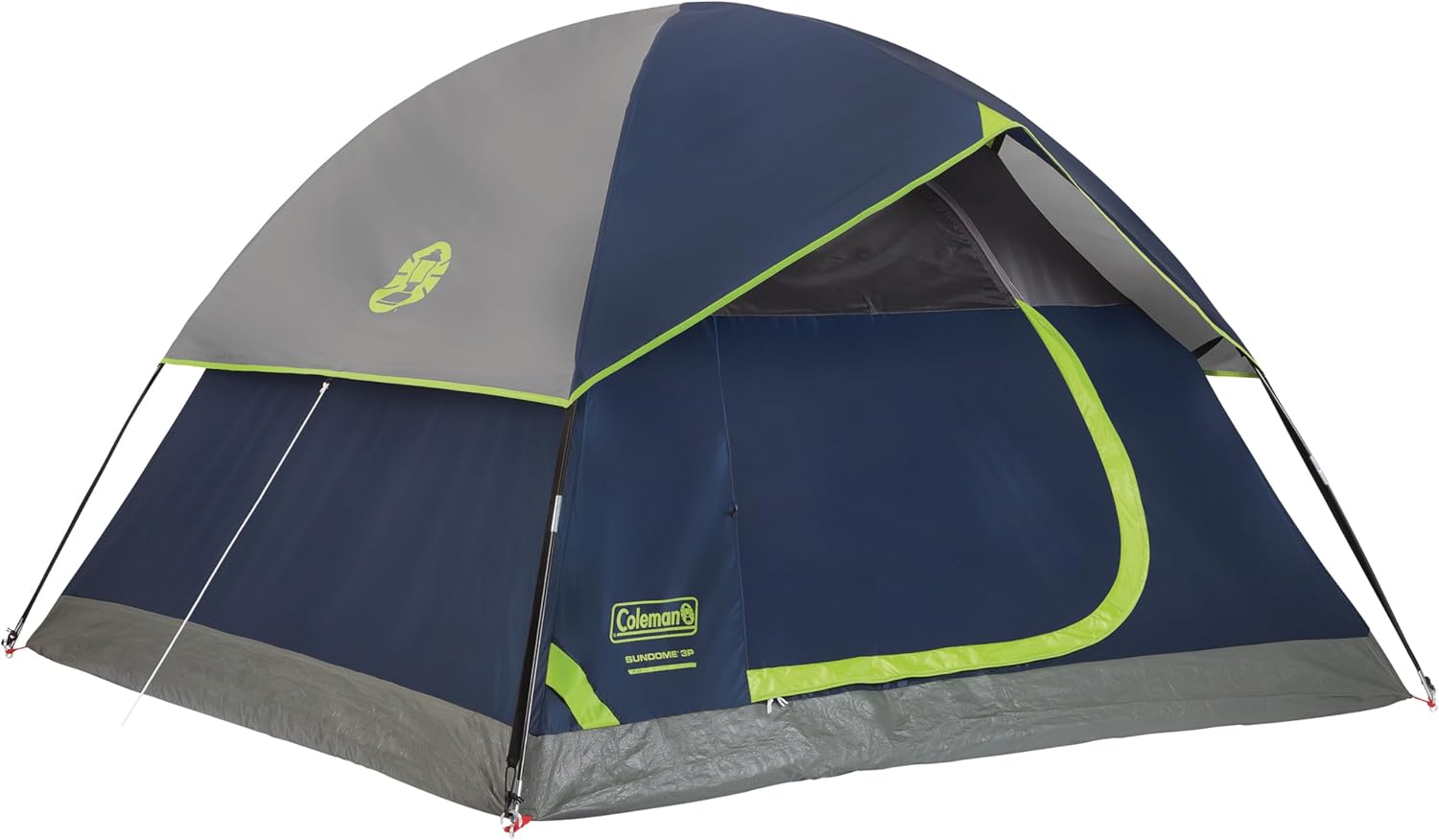
Coleman Sundome Camping Tent — a reliable, easy-to-set-up tent that works well for campground sites. It handles rain and sets up in about 10 minutes, which is ideal for guests who are new to camping.
Coleman Triton 2-Burner Propane Stove — a campground staple. Guests who can cook at their site stay longer and spend more time enjoying your facilities rather than driving to restaurants.
Helinox Chair One Camping Chair — lightweight and ultra-packable. Perfect for guests traveling light who want a real chair at the fire.
Platform Options for Campground Website Design
You have a few routes depending on your budget and technical comfort:
- WordPress with a camping theme — flexible and widely supported, but requires ongoing maintenance
- Squarespace or Wix — easier to manage, though less customizable
- Purpose-built campground platforms — tools like CampsiteKit are designed specifically for campgrounds and include booking, site management, and a polished website out of the box
For most campground operators, a purpose-built platform saves the most time. You're not a web developer — you're running a campground. A tool designed for your business means less time fighting with templates and more time with guests.
Final Thoughts
A well-designed campground website pays for itself quickly. Higher conversion rates, fewer phone calls for basic information, and better search rankings all add up. Focus on the basics first — fast load times, clear pricing, mobile usability, and an easy booking flow — then build from there.
If your current site isn't generating reservations, it's worth a serious look. Your campground is worth showing off properly.