
Campground Marketing Ideas: Proven Strategies to Attract More Campers in 2026
Discover actionable campground marketing ideas that fill your sites year-round — from social media and SEO to loyalty programs and local partnerships.
Use this guide for
Better camping decisions, faster trip planning, and clearer gear choices. Use this article as your starting point, then keep going with related camping guides and practical help articles below.
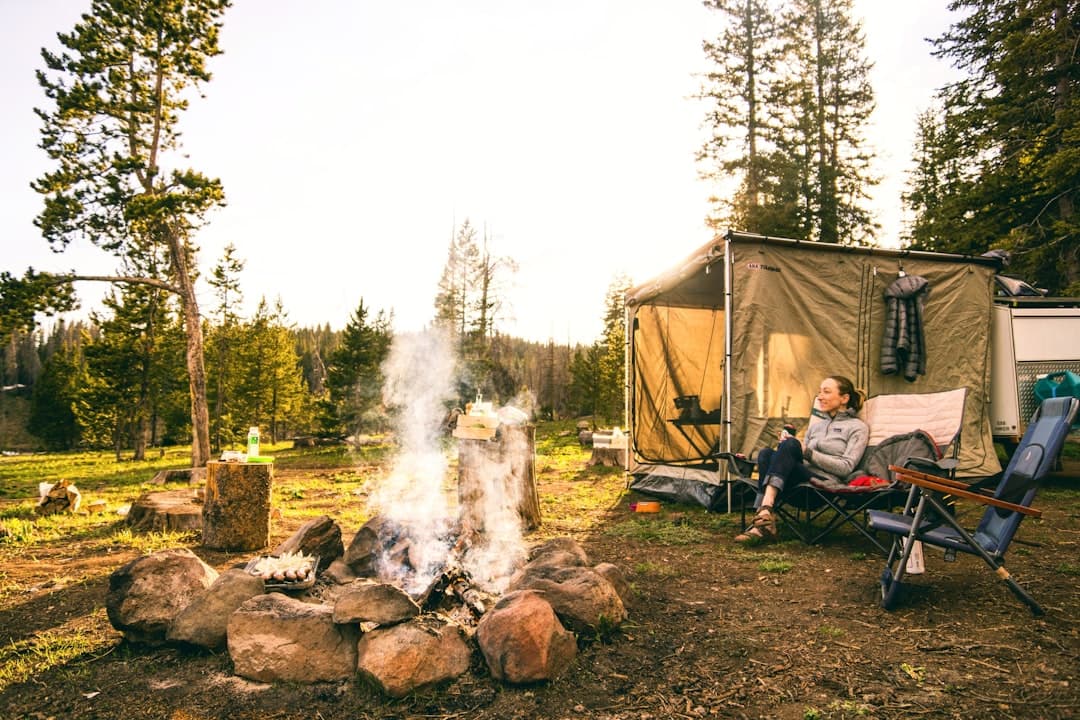
Running a campground is rewarding — but filling your sites consistently requires more than a great location. With competition from glamping resorts, RV parks, and booking apps growing every year, smart campground marketing ideas are what separate thriving operations from struggling ones. Here are the most effective tactics you can implement today.
1. Optimize Your Google Business Profile
Your Google Business Profile is often the first thing a prospective camper sees. Make sure yours is complete:
- Add high-quality photos of your campsites, amenities, and scenery
- Keep your hours, address, and phone number accurate
- Respond to every review — positive and negative
- Post seasonal updates and promotions directly in the profile
Campers searching "campgrounds near me" will find you faster when your profile is active and well-maintained.
2. Build a Fast, Mobile-Friendly Website

Most campers book on their phones. If your site loads slowly or looks broken on mobile, you're losing reservations. Your campground website should include:
- Online booking — never make campers call to reserve
- Photo galleries for each site type (tent, RV, cabin)
- Amenity details (hookups, restrooms, fire pits, pet policy)
- Local attractions nearby to help campers plan their trip
A clean, fast website is your most powerful marketing tool — it works 24/7 and costs a fraction of paid advertising.

3. Leverage Social Media with Real Photos
Instagram, Facebook, and TikTok are where campers discover new places. You don't need a production crew — just a smartphone and consistent posting. What performs best:
- Sunrise and sunset shots of your campsites
- Camper-submitted photos (ask permission and repost them)
- Short video walkthroughs of your best sites
- Behind-the-scenes posts showing campground maintenance and improvements
Encourage guests to tag your campground when they share their experience. User-generated content is free advertising.
4. Get Listed on Every Major Booking Platform
Don't rely on your website alone. List your campground on:
- Recreation.gov (for federal-adjacent or state recreation areas)
- Hipcamp (popular with tent campers and glampers)
- The Dyrt (community-focused with reviews)
- Campspot and ReserveAmerica (for larger RV parks)
- Google Maps (already covered via your Business Profile)
Each platform brings a different audience. Being visible across all of them maximizes your reach without extra ad spend.
5. Run Seasonal Promotions and Packages
Campers love a deal. Targeted promotions can fill slow weekdays and shoulder seasons:
- Early bird discounts — 10% off for bookings made 30+ days out
- Midweek specials — lower rates Sunday–Thursday
- Holiday weekend packages — bundle fire wood, s'mores kits, or trail maps
- Loyalty rewards — offer a free night after 5 stays
Promotions work best when you email them to past guests. Build your email list every season.
6. Partner with Local Businesses
Cross-promotion with nearby businesses costs nothing and reaches people already in your area. Partner with:
- Outfitters and gear shops — they'll recommend your campground to their customers
- Restaurants and breweries — offer a referral card for campground guests
- Tour operators — hiking guides, kayak rentals, and fishing charters often suggest nearby camping
A simple rack card or flyer in local shops can drive more bookings than a paid ad.
7. Collect and Display Reviews
Eighty-five percent of travelers trust online reviews as much as personal recommendations. Make reviews part of your post-stay workflow:
- Send a follow-up email 2 days after checkout asking for a Google review
- Include a QR code at the exit that links directly to your review page
- Highlight top reviews on your website homepage
The more 5-star reviews you collect, the higher you rank in local search results — and the easier it is to win new bookings without paid ads.
What Campers Are Looking for in 2026
Understanding your guests is the foundation of good campground marketing. Today's campers expect reliable amenities, easy online booking, and clear communication. They're also increasingly gear-conscious — arriving with quality equipment and looking for sites that accommodate it.
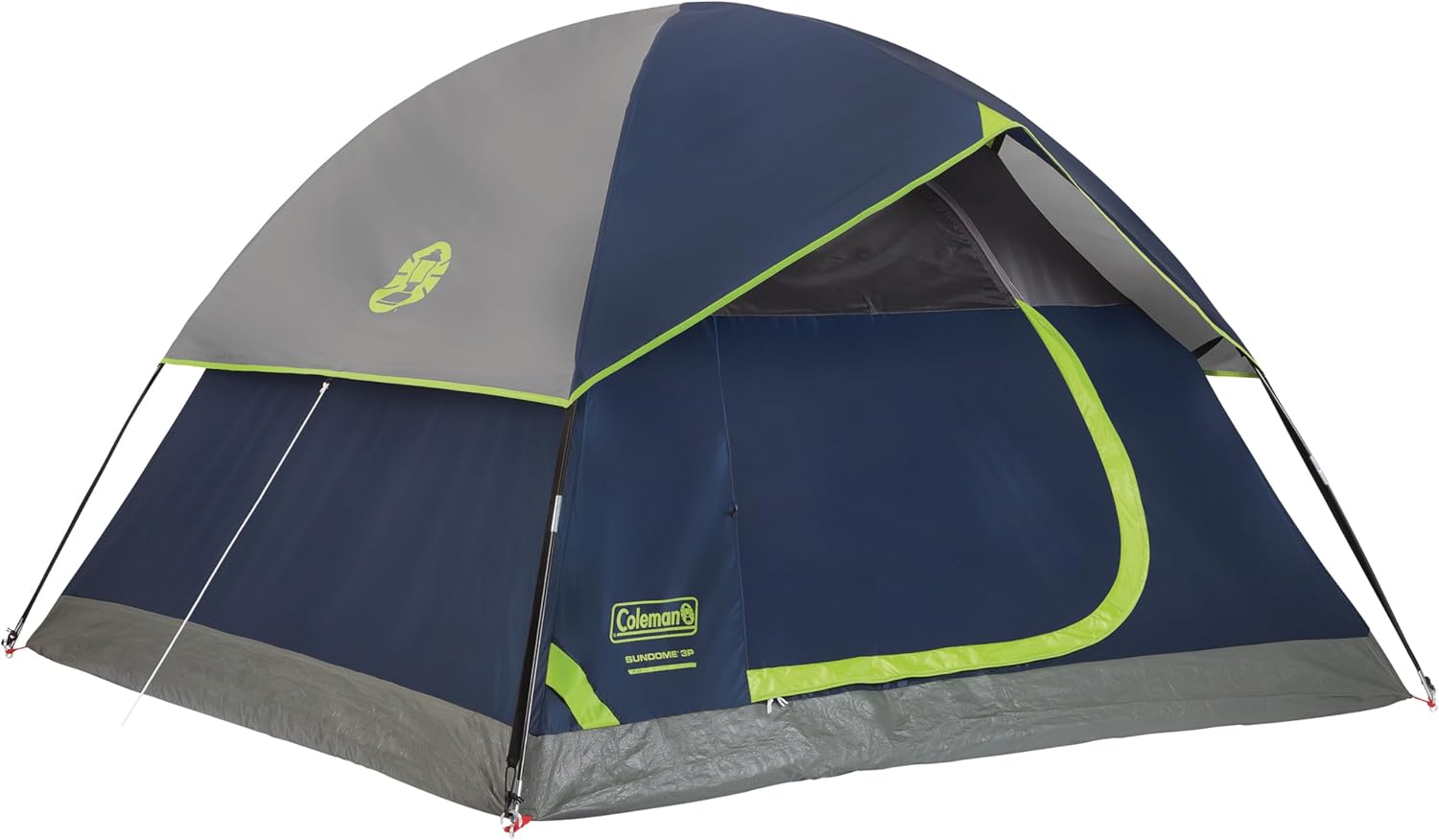
Popular gear campers bring includes versatile tents like the Coleman Sundome Camping Tent, which sets up in under 10 minutes and handles variable weather. Comfort-focused campers often bring portable furniture like the Helinox Chair One, so having level sites with room to spread out matters. And for cooking, many guests bring propane stoves like the Coleman Triton 2-Burner — so clear fire and stove policies on your website help them plan ahead.
When your marketing accurately reflects the experience you offer, you attract guests who are already a great fit for your campground.
Start Small, Stay Consistent
You don't need a big budget to market your campground effectively. The most important thing is consistency — post regularly, respond to reviews promptly, and update your listings each season. Pick two or three of these campground marketing ideas and commit to them for 90 days. You'll start seeing results before summer.